

Bikepackers carrying food, spare clothing, or camping gear need storage that leaves frame space available and keeps useful items within reach. A handlebar bag can do that, but its size and mounting system must suit your cockpit, cables, and front tire clearance.
Our guide compares 7 handlebar bags from brands including Moosetreks, ROCKBROS, Topeak and more, with attention to capacity, attachment, and weather protection. We researched these options in November 2026; before buying, compare the maker’s fit instructions with your bike and consider our Handlebar Bags category for more styles.
At a Glance: Which One Fits You
- Best overall: KEMIMOTO 10L Bike Handlebar Bag earns this spot because its 10L capacity, RF-welded seams, and three-point mount suit riders carrying bulky gear.
- Best value: ROCKBROS Bike Handlebar Bag Waterproof 6L Roll-Top earns this spot because its 6L roll-top design offers useful storage and helps limit water entry at zipper stitching.
- Best for long tours: Topeak FrontLoader Bikepacking Handlebar Bag earns this spot because its removable 12L dry bag has an air-release valve and a stated 11 lb load limit.
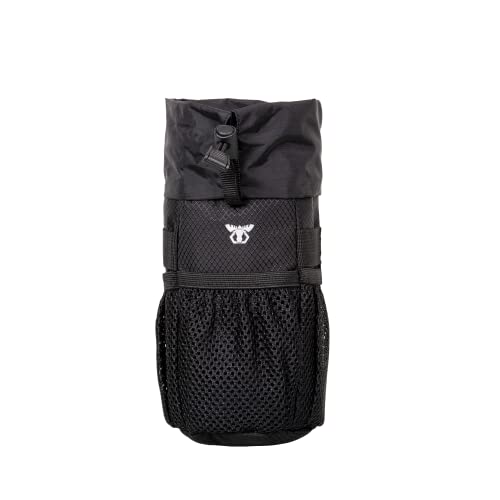
- Best for quick-access storage: Moosetreks Bike Stem Bag earns this spot because its one-handed opening and bottle-sized pouch keep drinks and snacks close.

Pros
- 10L storage capacity
- Waterproof construction claimed by maker
- Three-point mounting system
- Detachable shoulder strap
- Tool-free installation
Cons
- No stated handlebar diameter range
- No listed bag weight
- No review feedback provided
Pros
- Fits bottles up to 32 oz
- One-handed top closure
- Insulated main compartment
- Mesh side pockets
- Adjustable mounting loops
Cons
- Requires handlebar, stem, and fork attachment points
- No waterproof rating stated

Pros
- Removable 12 L dry bag
- 10,000 mm water resistance rating
- Tool-free quick-release mounting
- Air-release compression valve
- 11 lb carrying capacity
Cons
- Handlebar compatibility dimensions not listed
- One size only
- No owner reviews provided

Pros
- 5L storage capacity
- Front zip pocket
- Detachable shoulder strap
- Reflective details
- 900D nylon construction
Cons
- Water-resistant, not specified as waterproof
- No bag dimensions listed
- No handlebar fit range listed

Pros
- 6L storage capacity
- Roll-top closure
- Water-repellent materials
- Three-point attachment
- Quick-release setup
Cons
- No stated waterproof rating
- 12.2-inch height requires tire clearance

Pros
- Removable shoulder strap
- Tool-free strap attachment
- Quick-access top zipper
- Reinforced shape
- Wipe-clean artificial leather
Cons
- Compact 2L capacity
- No stated water-resistance rating
- Artificial leather construction

Pros
- Up to 12L adjustable capacity
- Removable harness with reinforced front panel
- Shoulder strap included
- Four EVA spacers included
- Welded seams and dual roll closures
Cons
- Handlebar fit dimensions not specified
- 1.2 lb before adding gear
Side-by-Side Comparison
| Product | Capacity | Weather protection | Mounting and carry | Notable feature |
|---|---|---|---|---|
| KEMIMOTO 10L Bike Handlebar Bag | 10L | 300D PVC, RF-welded seams | Three-point mount; shoulder strap | Protective flap |
| Moosetreks Bike Stem Bag | Fits bottles up to 32 oz | Not listed | Three-point attachment; removable loops | Insulated; drainage hole |
| Topeak FrontLoader Bikepacking Handlebar Bag | 12L | Dry bag rated 10,000 mm water resistance | Dual straps, head tube strap; quick release | Air-release valve; 11 lb maximum load |
| WINPRIM Bike Handlebar Bag | 5L | Water-resistant fabric; coated zippers | Adjustable straps; shoulder strap | Front zip pocket |
| ROCKBROS Bike Handlebar Bag Waterproof 6L Roll-Top | 6L | Water-repellent 600D nylon and TPU film | Two front straps and seatpost buckle | Roll-down closure |
| OFFBONDAGE Bike Handlebar Bag for Bicycle Front | 2.0L | Waterproof zippers; artificial leather | Three hook-and-loop straps; shoulder strap | Top horizontal zipper |
| Rhinowalk Waterproof Handlebar Bag 12L | Up to 12L | Inner dry bag rated over 4000MM; welded seams | Removable harness; shoulder strap | Four EVA spacers |
Capacity and mounting distinguish these bags most clearly. Topeak and Rhinowalk offer large roll-top storage for clothing or camping gear, while Moosetreks is a stem-side pouch for bottles and quick-access items.
Common Mistakes to Avoid
Choosing capacity before checking clearance can leave a bag rubbing the tire or blocking controls. ROCKBROS measures 12.2 inches tall and advises riders to confirm available space; check your handlebar width, cable routing, brake and shift levers, and front-wheel clearance before ordering.
Confusing water-resistant fabric with a waterproof dry-bag system can leave sensitive gear exposed. WINPRIM describes water-resistant fabric and coated zippers, while Topeak specifies a removable insert rated 10,000 mm water resistance. Compare seams, closure, and insert design with expected conditions, and protect electronics separately when needed.
Loose straps and excessive loads can let a handlebar bag shift, which may affect steering or bring the bag into contact with the bike. Topeak states a maximum load of 11 lb; the other products do not state a maximum in their feature descriptions. Follow the maker’s mounting instructions and check stability with your intended load before setting out.
Best Handlebar Bags for Bikepacking: Buying Guide
Bike Fit and Front-Wheel Clearance
Bike fit matters because a handlebar bag must stay clear of the tire, controls, cables, and frame throughout steering. Compare the bag’s stated dimensions with your available cockpit space, including any room needed for lights or other accessories.
ROCKBROS gives a height of 12.2 inches and specifically advises checking clearance to prevent tire contact. Bag shape also matters: a large pack may fit one handlebar setup but crowd another. Review the maker’s installation guidance and confirm the loaded bag does not restrict lever access or cable movement.
Handlebar shape, stem length, and cable routing can change how a front bag sits, so do not rely on a general claim of broad compatibility. If your cockpit has limited space or unusual routing, ask the maker about fit before purchase. A frame or seat bag may be a better choice when a front load cannot sit safely clear.
Capacity and Load Shape
Capacity determines how much gear a bag can hold, while its shape determines whether that space works for your packing list. These options range from a compact 2.0L pouch to bags with capacity up to 12L, so choose around your planned load rather than defaulting to the largest bag.
Soft clothing can compress into a roll-top bag, while a structured pouch may keep small items easier to organize. Topeak’s removable 12L dry bag is aimed at sleeping bags, camp gear, or spare clothing; OFFBONDAGE’s 2.0L compartment is better suited to smaller essentials.
Pack dense items securely and avoid filling a bag until it bulges into cables or controls. A larger volume is useful only when the bag remains stable and fits your cockpit. If you carry a bottle, check its shape and size against the opening; Moosetreks says its stem pouch fits bottles up to 32 oz.
Mounting Stability and Attachment
A mounting system keeps a loaded bag from swinging or rubbing the bike on uneven surfaces. Compare each strap layout with your handlebar, stem, head tube, and any frame attachment points before buying.
KEMIMOTO uses a three-point system, while Topeak combines dual straps with a head tube strap and quick-release buckles. ROCKBROS uses two front straps and a seatpost buckle, so its attachment arrangement differs from bags that secure around the head tube.
Check whether straps can be adjusted or removed and whether the mounting system suits your bike’s available space. The Moosetreks loops are removable and adjustable, while Rhinowalk has a removable harness and four EVA spacers. Follow the maker’s instructions, tighten attachments as directed, and inspect the bag after loading it.
Weather Protection and Closures
Weather protection depends on materials, seams, closures, and any separate dry-bag insert. A broad “waterproof” or “water-resistant” description is less useful than specific construction details that explain how the bag handles rain and splashes.
Topeak specifies a removable insert rated 10,000 mm water resistance, while Rhinowalk describes an inner dry bag rated over 4000MM with welded seams and dual roll closures. ROCKBROS uses a roll-down closure and water-repellent materials. Those designs differ from WINPRIM’s water-resistant outer fabric and coated zippers.
Match the stated protection to your route and the consequences of wet gear. A water-resistant outer fabric does not carry the same stated protection as a dedicated dry-bag insert. For electronics, medication, or clothing that must stay dry, use a separate waterproof pouch when conditions or product claims leave uncertainty.
Access, Organization, and Off-Bike Carry
Access and organization matter when you want snacks, tools, or a phone without unpacking the whole bag. Check whether a product has a separate pocket, an opening you can reach while stopped, or a closure suited to your typical riding routine.
WINPRIM has a front zip pocket, while OFFBONDAGE uses a top horizontal zipper. Moosetreks is designed for one-handed access to snacks or a bottle, which gives it a different role from a larger front pack intended for clothing or camp gear.
Shoulder straps help when you remove a bag during a stop, but they add little value if the pack stays on the bike. KEMIMOTO, WINPRIM, Rhinowalk, and OFFBONDAGE include shoulder straps. Choose off-bike carry and pocket layout around how often you stop and what you need to reach quickly.
Load Limits, Compression, and Care
Published load limits and compression features help you judge whether a bag suits its intended load. Topeak lists a maximum load of 11 lb and includes an air-release valve that removes excess air for more compact packing.
The other products do not state a maximum load in their feature descriptions, so do not assume they can carry the same weight. Secure loose contents to limit shifting, use compression features as directed, and avoid overfilling a bag until it presses into cables or alters handling.
Materials and construction also affect cleaning and maintenance after muddy rides. ROCKBROS says its surface can be wiped with a wet towel, while Moosetreks includes a drainage hole in its insulated stem pouch. Follow the maker’s care instructions, dry wet gear before storage, and inspect straps and closures regularly.
Riders comparing other storage approaches can also consider our Phone Mounts and Bags category. It helps put handlebar storage in context with other accessories, especially when a large front pack would crowd your controls or make your planned load awkward to carry.
How We Chose
We score products with the Haiku Ride Score: core performance 30%, build and weather resistance 20%, ease of use 20%, compatibility and battery 15%, and value 15%. For handlebar bags, we emphasize usable storage, mounting, weather details, access, and whether stated features address a clear riding need.
Our evaluation draws on manufacturer specifications, compatibility information, and long-term owner feedback when available. We research and draft our guides with software tools, including AI, then run automated checks on product fit, sourcing, and our editorial rules. Our editor spot-checks guides rather than reading each one before publication. Our how we review page explains the method.
Price and Value: What Each Budget Gets You
Budget
At the lower end of this category, compact pouches and basic front bags prioritize essential storage, straightforward attachment, and simple access. OFFBONDAGE offers a structured 2.0L compartment, while Moosetreks focuses on a bottle and snacks. These designs can suit short rides or small loads, but riders needing a separate dry-bag system, large capacity, or extensive organization should compare larger formats.
Mid-Range
Mid-range designs often balance useful capacity with everyday details such as shoulder straps, quick-access pockets, roll-top closures, or reinforced mounting. ROCKBROS provides 6L storage with a roll-down closure, while WINPRIM combines 5L capacity with a front pocket and detachable shoulder strap. These bags suit mixed commuting and touring needs, though their stated weather protection differs and may not match a separate dry-bag insert.
Premium
At the upper end, buyers can find larger removable dry bags, dedicated harnesses, compression features, and more specific weather or load information. Topeak pairs a 12L insert with an air-release valve and stated load limit; Rhinowalk offers capacity up to 12L with a removable harness. These features help on longer tours, but a large pack needs adequate cockpit clearance and may be unnecessary for light day rides.
Choosing Something Else
A frame bag or seat bag can be a better alternative when a handlebar bag crowds controls, complicates cable routing, or affects steering with your planned load. Frame storage keeps gear in a different part of the bike, while a seat bag leaves the cockpit open. Riders carrying only a bottle and snacks may prefer a stem pouch instead of a large front pack.
Final Thoughts
Riders carrying bulky gear can consider KEMIMOTO 10L Bike Handlebar Bag, which combines 10L capacity, RF-welded seams, and a three-point mount. Its size makes a careful clearance check essential. For longer tours, Topeak FrontLoader Bikepacking Handlebar Bag adds a removable dry bag, an air-release valve, and a stated 11 lb maximum load.
Riders who want medium-capacity storage can compare ROCKBROS Bike Handlebar Bag Waterproof 6L Roll-Top and Rhinowalk Waterproof Handlebar Bag 12L. ROCKBROS offers a roll-down closure and 6L capacity; Rhinowalk offers expandable capacity up to 12L and a removable harness. Their different sizes and weather systems suit different packing plans.
For daily essentials, WINPRIM Bike Handlebar Bag pairs 5L storage with a front pocket, while Moosetreks Bike Stem Bag prioritizes quick access to a bottle or snacks. OFFBONDAGE Bike Handlebar Bag for Bicycle Front keeps storage compact at 2.0L. Riders with little tire or control clearance should skip a front bag and consider a frame or seat bag; our road bike handlebar tape guide covers another cockpit accessory.
FAQs
How large should a handlebar bag be for bikepacking?
A bikepacking handlebar bag should hold your planned gear without crowding controls or touching the front tire. Small pouches work for snacks and bottles, while larger roll-top bags can carry clothing or camp gear. Compare stated capacity and dimensions with your packing list, handlebar space, cable routing, and wheel clearance before buying.
Are handlebar bags waterproof?
Handlebar bags range from water-resistant fabric to designs with a separate dry-bag insert. Topeak specifies a removable insert rated 10,000 mm water resistance, while WINPRIM describes water-resistant fabric and coated zippers. Check the stated materials, seams, closures, and insert details, and protect sensitive gear separately when wet conditions could matter.
Will a handlebar bag fit any bike?
A handlebar bag will not necessarily fit every bike because cockpit clearance, cable routing, and attachment points differ. Compare the maker’s mounting instructions with your handlebar, stem, brakes, head tube, and tire space. ROCKBROS measures 12.2 inches tall and advises riders to confirm clearance so the bag does not touch the tire.
Can a handlebar bag affect bike handling?
A poorly secured or heavily loaded handlebar bag can shift and affect steering, particularly if its contents move or the bag contacts cables. Follow the maker’s mounting guidance and any published load limit. Secure loose gear, check strap tension, and confirm that the loaded bag stays clear of controls and the front wheel before riding.
What should I carry in a bikepacking handlebar bag?
A bikepacking handlebar bag suits items you want to reach during a ride, such as spare clothing, snacks, or selected tools. Keep the load secure and avoid loose objects that can shift against cables. Place items that must stay dry in a protected inner pouch, even when the outer bag has weather-resistant materials.
Which Best Handlebar Bags for Bikepacking in 2026 suit short rides?
Short rides often call for a compact bag rather than a large touring pack. OFFBONDAGE offers 2.0L capacity, while Moosetreks is designed for a bottle, snacks, and quick access. Match storage to your ride essentials and cockpit clearance, then compare other formats in our handlebar bag category.
How do I keep a handlebar bag stable on rough roads?
A handlebar bag stays more stable when its mounting points are secured as the maker directs and its contents cannot shift. Topeak includes dual straps and a head tube strap, while Rhinowalk uses a removable harness and EVA spacers. Check attachment tension before riding and avoid exceeding any stated load limit.
Is a stem bag different from a handlebar bag?
A stem bag is a compact pouch mounted near the handlebar and stem, while a handlebar bag usually carries a larger front load. Moosetreks describes one-handed access and room for bottles up to 32 oz. A stem pouch suits snacks or a drink; riders carrying clothing or camp gear should compare larger bags and confirm fit.

Write Your Review
No reviews yet. Be the first to share your experience!