

Road, trail, flat-pedal, and indoor riders need shoes that match their pedals, hold their feet securely, and suit the way they ride. Our guide to Best Cycling Shoes Under $100 compares 5 options from brands including Fizik, Giro, Peloton and more, with choices for paved roads, mountain biking, flat pedals, and stationary bikes.
Start with your pedal system, since a shoe that does not fit your cleats or pedals cannot serve its intended purpose. Follow the shoe and pedal makers’ instructions and local laws, and compare our cycling shoes for wide feet guide if width is a priority.
At a Glance: Which One Fits You
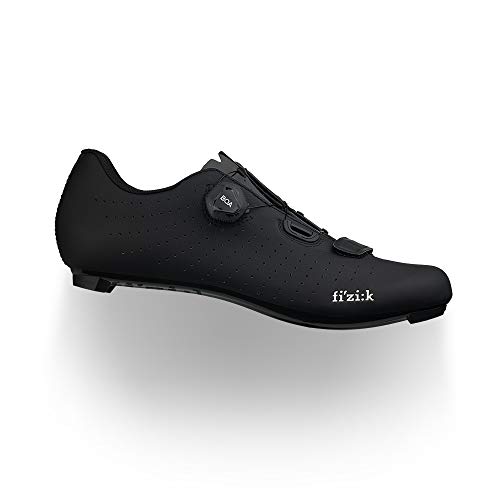
- Best overall: Fizik Tempo R5 Overcurve Cycling Shoe, black pairs an R5 nylon composite outsole with an Overcurve shape for paved-road riding.
- Best value: SANDUGO MTB Mountain Bike Shoes for XC/Enduro/DH combines trail-focused lugs, a quick lace-up system, and ventilated mesh areas.
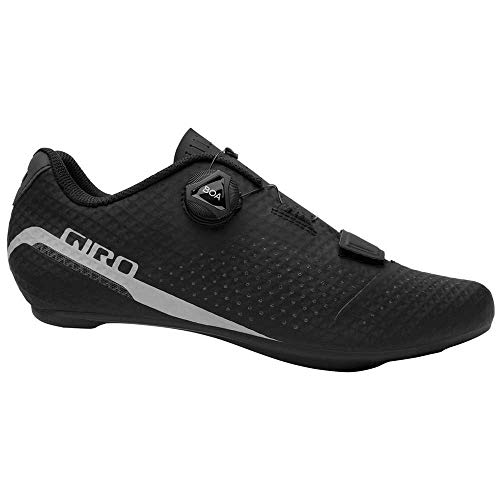
- Best for road riders who want dial adjustment: Giro Cadet Men’s Road Cycling Shoe, Black has a BOA L6 dial and carbon composite outsole.
- Best for Peloton riders: Peloton Womens Cycling Shoes Bike and Bike+ Size includes Delta-compatible cleats for compatible stationary bikes.
Pros
- Asymmetrical Overcurve construction
- Supple, durable Microtex upper
- Nylon composite outsole
- Designed for varied paved roads
Cons
- Closure system not specified
- Cleat compatibility not specified

Pros
- Lugs designed to engage pedal pins
- Traction-focused hiking tread
- Quick lace-up fit adjustment
- Multiple airflow features
- Lace pocket for tidier laces
Cons
- Cleat compatibility not specified
- Waterproofing level not specified
- Weight not listed

Pros
- Ventilated Synchwire upper
- Three adjustable Hook & Loop straps
- 60 N/mm outsole stiffness
- 3/2 insert pattern
- Overmolded toe and heel pads
Cons
- No cleat compatibility listed
- Hook & Loop straps, not dial closures
Pros
- Vented, reinforced Synchwire upper
- Micro-adjustable BOA L6 closure
- Carbon composite outsole
- 5 mm cleat-position adjustment
- Reflective details
Cons
- No waterproofing claim provided
- Cleat compatibility not specified

Pros
- Delta-compatible cleats included
- Ratchet clip and adjustable straps
- Stiff sole
- Mesh ventilation
- Cleat installation tools included
Cons
- Narrow-to-normal fit
- Cleat installation required
- Designed primarily for Peloton bikes
Side-by-Side Comparison
| Product | Riding use | Closure | Sole or tread | Pedal or cleat details | Ventilation |
|---|---|---|---|---|---|
| Fizik Tempo R5 Overcurve Cycling Shoe, black | Paved-road riding | Not listed | R5 nylon composite | Not listed | Not listed |
| SANDUGO MTB Mountain Bike Shoes for XC/Enduro/DH | Cross-country, enduro, downhill | Quick lace-up | Rubber tread with directional lugs | Clipless stated in product name | Mesh windows and perforated tongue |
| Giro Stylus Men’s Road Cycling Shoe, Black | Road | Three hook-and-loop straps | Nylon and glass fiber | 3/2 insert pattern | Laser-cut vents |
| Giro Cadet Men’s Road Cycling Shoe, Black | Road | BOA L6 Fit System | Carbon composite | 5 mm cleat-position adjustment | Vented Synchwire upper |
| Peloton Womens Cycling Shoes Bike and Bike+ Size | Indoor cycling | Ratchet clip and hook-and-loop straps | Stiff sole | Delta-compatible cleats included | Mesh vents in sole |
Pedal compatibility matters most because these shoes serve different systems rather than one universal setup. Flat-pedal riders should consider the SANDUGO’s tread, while riders with Peloton or other Delta-compatible stationary pedals can consider the Peloton shoe; road riders should confirm cleat requirements before ordering.
Common Mistakes to Avoid
Choosing by appearance before checking pedal compatibility can leave you with shoes that do not connect to your bike as intended. The SANDUGO is described as a clipless shoe, while the Peloton shoe includes Delta-compatible cleats; the Giro Stylus lists a 3/2 insert pattern, so confirm your pedal and cleat requirements before buying.
Assuming every mountain bike shoe works on flat pedals is another avoidable mistake. The SANDUGO’s lugs are described for pedal contact and walking, while the Giro Tracker Fastlace from the existing article is not among this guide’s five products, so do not treat its flat-pedal details as specifications for a listed shoe.
Ignoring fit guidance can cause discomfort or an insecure hold, particularly when brands use different shapes and sizing advice. Peloton describes its shoe as narrow to normal and recommends sizing up for wider feet or when between sizes; compare the maker’s guidance with your foot shape before choosing.
Expecting a road shoe to walk like a trail shoe can also lead to a poor match. The SANDUGO lists directional, spaced lugs and a ramped toe for walking, but the road-shoe descriptions do not establish a walkability rating, so consider how often your ride includes time off the bike.
Best Cycling Shoes Under $100: Buying Guide
Match the Shoe to Your Pedals and Cleats
Pedal and cleat compatibility determines whether a cycling shoe attaches to your bike as intended. Road, clipless mountain bike, flat-pedal, and indoor setups can call for different shoe features, so check the shoe and pedal makers’ stated systems before comparing closure or appearance.
The Peloton shoe includes Delta-compatible cleats and is intended for Peloton Bike and Bike+, as well as stationary bikes that require Delta-compatible cleats. The Giro Stylus lists a 3/2 insert pattern, while the SANDUGO is identified as clipless; check the exact pedal model and confirm whether cleats are included.
Choose a Shoe for Your Riding Style
Riding style affects the balance of pedaling support, traction, and comfort when walking. Road shoes such as the Fizik Tempo R5, Giro Stylus, and Giro Cadet target paved riding, while the SANDUGO is described for cross-country, enduro, and downhill use.
The Peloton shoe is aimed at indoor cycling and includes cleats for a specific pedal standard. If your rides combine paved roads and frequent trail walking, compare each shoe’s intended use rather than assuming one pair suits every surface. Our cycling shoe category offers more footwear context.
Assess Fit and Closure
Fit and closure affect how securely a shoe holds your foot and how easily you can adjust it. Check the maker’s sizing and width guidance, since shoe shape varies by model and a familiar everyday size may not guarantee the same fit.
The Giro Cadet uses a BOA L6 dial for micro-adjustment, while the Giro Stylus has three hook-and-loop straps. The SANDUGO uses a quick lace-up system, and Peloton combines a ratchet clip with hook-and-loop straps. Consider which closure you can adjust comfortably and reliably.
Compare Sole Support, Grip, and Walkability
Sole construction shapes the shoe’s feel while pedaling and walking. The Fizik has an R5 nylon composite outsole, the Giro Cadet uses a carbon composite outsole, and the Giro Stylus has a nylon-and-glass-fiber outsole; these material descriptions help distinguish designs but do not provide a shared stiffness rating.
The SANDUGO uses rubber tread with directional, spaced lugs described for pedal contact and traction while hiking. That design may suit rides with rough sections on foot, while road-oriented riders may favor the listed road-shoe designs. Check the maker’s description for the kind of traction your routes call for.
Consider Upper Materials and Ventilation
Upper materials and ventilation influence airflow, support, and how a shoe feels around your foot. The Giro Stylus uses a thermo-bonded textile mesh upper with laser-cut vents, while the Giro Cadet’s Synchwire construction combines reinforcement with ventilation.
The SANDUGO lists mesh windows, a perforated tongue, and a breathable toe area, and the Peloton shoe has mesh vents in its sole. Ventilation does not establish rain protection, so check the maker’s weather guidance if you ride in wet conditions and consider separate footwear protection when appropriate.
Check Cleat Positioning and Included Hardware
Cleat inserts and adjustment range determine how a compatible shoe accepts and positions its cleat. Before ordering, compare the shoe’s listed insert pattern with your pedal system, then check whether the cleats and installation hardware are included.
The Giro Cadet allows 5 mm of cleat-position adjustment, and the Giro Stylus lists a 3/2 insert pattern. Peloton includes Delta-compatible cleats and installation tools, while cleat details for other shoes are not listed here. Follow both makers’ setup instructions and ask a qualified bike shop for help if the fit or installation is unclear.
How We Chose
We evaluate cycling shoes with the Haiku Ride Score: core performance at 30%, build and weather resistance at 20%, ease of use at 20%, compatibility and fit at 15%, and value at 15%. For shoes, compatibility and fit mean the stated pedal or cleat system, closure, sizing guidance, and intended riding use.
We compare manufacturer specifications, compatibility information, and long-term owner feedback where available. We research and draft our guides with software tools, including AI, then run automated checks on product fit, sourcing, and our editorial rules. Our editor spot-checks guides rather than reading each one before publication. Our how we review page explains the method.
Price and Value: What Each Budget Gets You
Budget
At the lower end of this guide’s budget, riders can find purpose-specific designs with practical closures and tread or ventilation features. The SANDUGO combines a quick lace-up system with rubber lugs intended for pedal contact and walking. Its trade-off is a trail-focused design, so paved-road riders or those needing a different cleat system should check compatibility carefully.
Mid-Range
Near the middle of this budget, options can add defined closure systems, road-oriented soles, or indoor-specific cleats. The Giro Stylus uses three hook-and-loop straps and a nylon-and-glass-fiber outsole, while the Peloton shoe includes Delta-compatible cleats. Each serves a different setup, and neither is a universal choice for every pedal system.
Premium
At the upper end of this budget, riders can find more specialized materials and adjustment features. The Fizik Tempo R5 pairs a Microtex upper with an R5 nylon composite outsole, while the Giro Cadet adds BOA adjustment and a carbon composite outsole. These road designs do not replace trail or flat-pedal shoes, and fit still depends on your foot.
Choosing Something Else
For casual flat-pedal rides, ordinary athletic shoes may suit riders who do not need cycling-specific tread or cleat attachment. That choice can avoid dedicated footwear, but it does not provide the listed cycling-shoe features or establish grip on every pedal. Riders with clip-in pedals should choose shoes that match their cleat system instead.
Final Thoughts
Road riders who want a nylon composite outsole and a paved-road design should consider the Fizik Tempo R5 Overcurve Cycling Shoe, black. Its Overcurve construction and Microtex upper are listed features, but the closure and pedal compatibility are not specified here, so confirm both before ordering.
Riders who prioritize dial adjustment can compare the Giro Cadet Men’s Road Cycling Shoe, Black, which combines a BOA L6 system with a carbon composite outsole. The Giro Stylus Men’s Road Cycling Shoe, Black offers three hook-and-loop straps and a 3/2 insert pattern instead. Both target road riding, not flat-pedal use.
Trail riders can consider the SANDUGO MTB Mountain Bike Shoes for XC/Enduro/DH for its lugs and walking-focused tread, while indoor riders with Delta-compatible pedals can consider the Peloton Womens Cycling Shoes Bike and Bike+ Size. The SANDUGO’s cleat details should be confirmed for your setup, and Peloton’s narrow-to-normal fit may not suit every foot.
Skip these options if you need a confirmed width, pedal interface, or weather feature that the maker does not specify. Riders seeking one pair for incompatible pedal systems should choose a different approach rather than assume cycling shoes are universal. For more fit context, see our guide to cycling shoes for wide feet and the broader cycling apparel and shoes category.
FAQs
Are cycling shoes under $100 compatible with every pedal?
Cycling shoes under $100 are not automatically compatible with every pedal because road, mountain bike, flat-pedal, and indoor systems differ. Check the shoe’s stated cleat or pedal compatibility against your pedal model before ordering. The Peloton shoe includes Delta-compatible cleats, while other shoes in this guide have different or unlisted compatibility details.
Do cycling shoes come with cleats?
Cycling shoes do not always include cleats, so check the maker’s product details before buying. The Peloton shoe includes Delta-compatible cleats and installation tools. Cleat inclusion is not listed for every shoe here, and a compatible shoe still needs a cleat standard that matches your pedals.
How should cycling shoes fit?
Cycling shoes should hold your foot securely while leaving comfortable room for toe movement. Sizing and shape vary by maker, so compare the specific shoe’s guidance with your foot rather than relying only on everyday shoe size. Peloton describes its shoe as narrow to normal and recommends sizing up for wider feet or between sizes.
Can mountain bike shoes work on flat pedals?
Mountain bike shoes can work on flat pedals when their outsole is designed to engage the pedal surface. The SANDUGO lists rubber tread and lugs intended for pedal contact, but its product name also identifies it as a clipless shoe. Confirm the exact pedal and shoe compatibility instead of assuming every trail shoe suits flat pedals.
Are road cycling shoes comfortable to walk in?
Road cycling shoes prioritize riding, and walking comfort depends on their outsole design and cleat setup. The road-shoe descriptions here do not establish a walkability rating. The SANDUGO specifically lists directional lugs and a ramped toe for walking, making its description more relevant to riders expecting time off the bike.
Are these cycling shoes waterproof?
The listed shoe features do not establish that these models are waterproof. Several descriptions mention mesh or ventilation, which does not by itself confirm protection from rain or road spray. Check the maker’s current weather guidance before riding in wet conditions, and consider separate shoe covers if you need added protection.
How do I choose cycling shoes for wide feet?
Choosing cycling shoes for wide feet starts with the maker’s fit and sizing guidance, because shoe shape varies across models. Peloton recommends sizing up for wider feet, but that advice does not establish a wide-specific fit. Compare our cycling shoes for wide feet guide and check return terms before choosing.
Write Your Review
No reviews yet. Be the first to share your experience!