

Cyclists using heart rate zones need a sensor that sends dependable data to a bike computer, watch, or training app. The right fit and wireless protocol matter as much as the sensor itself, especially when you move between indoor sessions and outdoor rides.
Our comparison covers 8 cycling heart rate monitors from POLAR, CooSpo, POWR LABS and more, including chest straps and an arm band. This guide is updated for November 2026; compare the options with our heart rate monitor category if you want to explore more sensors.
At a Glance: Which One Fits You
- Best overall: Polar H10 Heart Rate Monitor Chest Strap earns this spot because it supports Bluetooth, ANT+, and 5 kHz connections, with simultaneous Bluetooth and ANT+ connections available.
- Best value: GEOID HS500 Heart Rate Monitor earns this spot because it combines ANT+ and Bluetooth with a replaceable CR2032 battery and an IP67 rating.
- Best for Garmin users: Garmin HRM 200 Heart Rate Monitor, M-XL earns this spot because it sends heart rate and heart rate variability data to compatible Garmin devices and apps.
- Best for riders who prefer an arm band: COROS Heart Rate Monitor, Auto-wear Detection earns this spot because its breathable arm band pairs with as many as three devices over Bluetooth.

Pros
- ANT+ and Bluetooth connectivity
- Two simultaneous Bluetooth connections
- Internal memory
- Fully waterproof
- Included CR2025 battery
Cons
- Chest strap required
- CR2025 battery replacement needed

Pros
- Real-time heart rate and variability data
- Compatible with Garmin cycling computers
- Up to one year of battery life
- User-replaceable battery
- Machine-washable strap
Cons
- Compatibility details not specified
- No charging option listed
- Only M-XL size listed

Pros
- Real-time heart rate and HRV
- Stores workouts without a watch
- Swim heart rate storage
- Machine-washable strap
- Up to 2 months battery life
Cons
- Running dynamics require compatible smartwatch
- M-XL size only in this listing
- Workout sync uses Garmin Connect
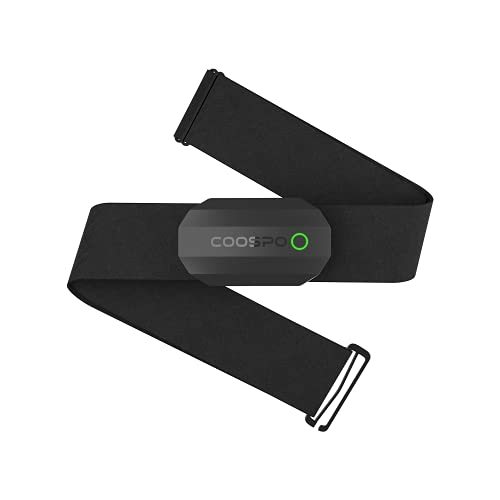
Pros
- ANT+ and Bluetooth connectivity
- Compatible with Zwift and Strava
- Maker-rated ±1 BPM accuracy
- IP67 water-resistance rating
- LED and beep status indicators
Cons
- Electrode zones need moistening before use
- Pair through the app, not phone Bluetooth
- Strap replacement recommended every six months or 300 washes

Pros
- Bluetooth pairing with up to three devices
- Automatic wear detection
- 38-hour operating time
- Soft, breathable fabric band
- Removable sensor for cleaning
Cons
- No ANT+ compatibility
- Not intended for daily heart rate tracking
- USB charging cable included, Type-C adapter not included
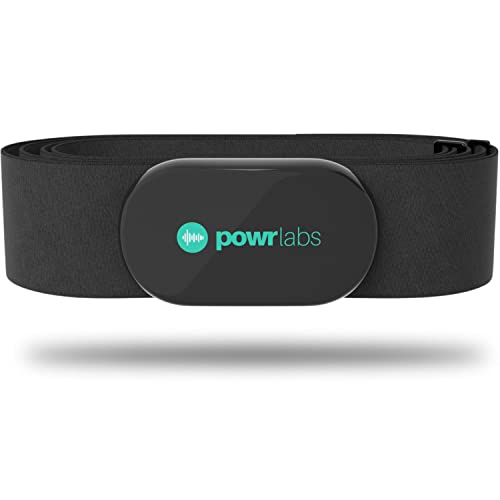
Pros
- ANT+ and Bluetooth connectivity
- 400+ hour stated battery life
- Replaceable battery included
- IPX67 water resistance
- 24 to 61-inch adjustable strap
Cons
- Must be worn before pairing
- Chest strap required for readings

Pros
- Audible heart rate zone alert
- Calories expended display
- Weekly training summary
- Button-free Heart Touch function
- Biking workout support
Cons
- App connectivity not specified
- Battery life not listed
- Water resistance not listed

Pros
- ANT+ and Bluetooth connectivity
- Works with Zwift and Strava
- Maker-rated 800-hour battery life
- Replaceable CR2032 battery
- IP67 water-resistance rating
Cons
- Swimming not recommended
- Bluetooth pairing must happen through the app
- LED turns off after 10 flashes
Side-by-Side Comparison
| Monitor | Connection | Format | Power | Care or water details |
|---|---|---|---|---|
| Polar H10 Heart Rate Monitor Chest Strap | Bluetooth, ANT+, 5 kHz | Chest strap | CR2025 replaceable cell | Waterproof; internal memory |
| Garmin HRM 200 Heart Rate Monitor, M-XL | Compatible Garmin devices, equipment, and apps | Chest strap; two sizes | Up to one year; replaceable battery | 3 ATM; machine washable |
| Garmin HRM 600, Premium Heart Rate Monitor, M-XL | Compatible Garmin devices, equipment, and apps | Chest strap; two sizes | Up to two months; rechargeable | Machine-washable strap |
| COOSPO Bluetooth Heart Rate Monitor Chest Strap | Bluetooth, ANT+ | Chest strap | Not listed | IP67 |
| COROS Heart Rate Monitor, Auto-wear Detection | Bluetooth only | Arm band | 38 hours per charge; 80 days standby | Remove sensor to clean band |
| POWR LABS Bluetooth ANT+ Heart Rate Monitor Chest | Bluetooth, ANT+ | Chest strap; adjustable 24 to 61 inches | More than 400 hours; replaceable | IPX67 |
| GEOID HS500 Heart Rate Monitor | Bluetooth, ANT+ | Chest strap | 800 hours; replaceable CR2032 | IP67; swimming not recommended |
| POLAR FT7 Men’s Heart Rate Monitor Watch M | Not listed | Training watch and strap | Not listed | Not listed |
Connection support is the most important difference in this table because the monitor and receiver need a compatible protocol. Riders with an ANT+-only computer should avoid the Bluetooth-only COROS band, while Garmin users may value the direct compatibility listed for Garmin HRM models.
Common Mistakes to Avoid
Pairing a sensor through phone settings instead of through its intended app can create avoidable connection problems. GEOID and COOSPO both advise connecting their sensors inside the app, so follow the maker’s pairing instructions before troubleshooting the computer or phone.
Choosing a monitor by wearing style alone can leave you with a sensor your bike computer cannot receive. COROS supports Bluetooth only, while Polar H10, COOSPO, GEOID, and POWR LABS list ANT+ and Bluetooth; check your receiver’s specifications first.
Ignoring fit and maintenance details can make a monitor uncomfortable or unreliable during regular use. Check the manufacturer’s sizing, confirm whether the sensor separates from its strap, and follow instructions for electrode contact, cleaning, charging, and battery replacement.
Best Heart Rate Monitor Cycling Buying Guide
Wireless Compatibility
Wireless compatibility determines whether a heart rate monitor can send data to your bike computer, watch, phone, or training app. Check both the sensor and receiver specifications before buying, because support for one wireless protocol does not guarantee support for another.
Polar H10, COOSPO, GEOID, and POWR LABS list ANT+ and Bluetooth, while COROS specifies Bluetooth only. Garmin HRM 200 and HRM 600 transmit to compatible Garmin devices, equipment, and apps, so verify that your particular receiver is supported.
Polar H10 can connect through Bluetooth and ANT+ simultaneously, and its specifications also allow two simultaneous Bluetooth connections. COROS lists pairing with as many as three devices, but those connections use Bluetooth; confirm which protocol your preferred app or computer requires.
Chest Strap or Arm Band
Wearing format affects comfort, sensor placement, and whether you will use a monitor consistently. Chest straps sit around the torso, while COROS uses a soft, breathable arm band designed for sports and activities rather than daily heart rate tracking.
Riders who dislike chest straps may prefer the COROS band, which lies around the arm and adjusts with a sliding buckle. Its sensor detaches for band cleaning, and wear detection powers the monitor on or off according to whether it is being worn.
Chest strap sizing differs among products, so compare the maker’s fit guidance with your measurements. Garmin HRM 200 and HRM 600 offer XS-S and M-XL sizes, while POWR LABS lists an adjustable strap from 24 to 61 inches.
Battery Type and Maintenance
Battery design determines whether routine use involves charging or replacing a cell. Garmin lists up to one year of battery life for HRM 200 and up to two months for rechargeable HRM 600; COROS lists 38 hours of operation per charge.
GEOID lists 800 hours with a replaceable CR2032 battery, while POWR LABS lists more than 400 hours with a replaceable battery. Polar H10 uses a CR2025 cell, and Polar warns that other battery sizes may damage or disrupt the sensor.
Cleaning needs depend on the strap design and the maker’s instructions. Garmin HRM 200 and HRM 600 have machine-washable straps, while COROS allows the sensor to be removed before cleaning its band; check whether a sensor must be disconnected after each ride.
Water Resistance and Ride Conditions
Water protection matters for sweat and wet rides, but different ratings and descriptions are not interchangeable. GEOID lists IP67, POWR LABS lists IPX67, and Garmin HRM 200 lists a 3 ATM water rating.
Polar describes H10 as waterproof and lists internal memory for multiple hours, while GEOID says swimming is not recommended for HS500. Follow each model’s care instructions and do not infer swimming suitability from a water rating alone.
COOSPO recommends moistening the plastic electrode zones on its strap before use. The maker also advises disconnecting the sensor after exercise and checking strap and battery condition, useful steps for riders who train frequently or sweat heavily.
Training Data and Extra Features
Training features matter when you want more than live heart rate on a cycling computer. Garmin HRM 200 and HRM 600 send heart rate and heart rate variability data to compatible Garmin devices, equipment, and apps.
Garmin HRM 600 can record certain activities when a watch cannot be worn, then sync workout data to Garmin Connect. Its additional running dynamics and swim data depend on compatible Garmin devices, so cyclists should weigh those extras against their own training needs.
POLAR FT7 Men’s Heart Rate Monitor Watch M provides an audible heart-rate-zone alarm, calorie tracking, and weekly training summaries. Its connection details are not listed, so confirm whether the watch can share data with your cycling computer or app before choosing it.
Pairing and App Setup
Pairing instructions affect whether a sensor appears correctly in a training app or cycling computer. GEOID and COOSPO advise connecting through the app rather than directly through the phone’s Bluetooth settings, so check the app’s sensor menu during setup.
Some monitors provide connection indicators that help identify their status. GEOID has a flashing LED that confirms heart rate and connection, while COOSPO uses an LED and sound reminder; these cues can help you notice a pairing issue before a ride begins.
For more receiver options, compare our bike computers for gravel riding guide and check the specifications of the computer you already own. A compatible sensor still needs to be selected in the receiving device or app before it can display heart rate.
How We Chose
We score each monitor with the Haiku Ride Score: core performance accounts for 30%, build and weather resistance for 20%, ease of use for 20%, compatibility and battery for 15%, and value for 15%. These criteria keep our comparison focused on connection, fit, care, and usefulness for cycling.
We evaluate manufacturer specifications, compatibility information, and long-term owner feedback where available. We research and draft our guides with software tools, including AI, then run automated checks on product fit, sourcing, and our editorial rules. Our editor spot-checks guides rather than reading each one before publication. Our how we review page explains the process.
Price and Value: What Each Budget Gets You
Budget
Budget chest straps can provide core heart rate data and useful dual-protocol support without charging between rides. GEOID HS500 pairs ANT+ and Bluetooth with a replaceable battery and an IP67 rating, while COOSPO also lists both protocols. Buyers may give up detailed battery-life information or advanced activity recording, so compare app compatibility and care requirements closely.
Mid-Range
Mid-range monitors can add a more specific fit, a familiar brand ecosystem, or an alternative wearing style. Garmin HRM 200 offers two strap sizes, a replaceable battery, and a machine-washable strap; COROS trades the chest strap for a rechargeable arm band. Riders should decide whether Garmin compatibility, chest strap simplicity, or arm comfort matters most.
Premium
Premium monitors may add stored workout data, rechargeable power, or additional activity metrics rather than changing the basic role of heart rate sensing. Garmin HRM 600 records certain activities for later syncing and sends data to compatible Garmin devices, but its listed battery life is shorter than HRM 200. Polar H10 offers several connection protocols, though it uses a replaceable CR2025 cell.
Choosing Something Else
A compatible training watch may suit riders who want heart rate tracking without wearing a separate chest strap or arm band. The POLAR FT7 Men’s Heart Rate Monitor Watch M includes an audible zone alarm and training summaries, but its connection details are not listed. Riders who need data on a bike computer should confirm compatibility before choosing a watch instead of a dedicated sensor.
Final Thoughts
Riders who want several connection choices can consider Polar H10 Heart Rate Monitor Chest Strap. It supports Bluetooth, ANT+, and 5 kHz, with simultaneous connections listed, but buyers must use its specified CR2025 battery.
Garmin users looking for heart rate and heart rate variability data can consider Garmin HRM 200 Heart Rate Monitor, M-XL. It has a replaceable battery and machine-washable strap; riders who want rechargeable power and activity recording can consider Garmin HRM 600, Premium Heart Rate Monitor, M-XL, while accepting its shorter listed battery life.
Riders who prefer an arm band can consider COROS Heart Rate Monitor, Auto-wear Detection, but its Bluetooth-only connection will not suit ANT+-only equipment. For a dual-protocol chest strap with a replaceable battery, GEOID HS500 Heart Rate Monitor is another option.
Skip a separate monitor if you do not want to wear a sensor or your equipment cannot receive a listed protocol. Compare more options in Heart Rate Monitors, or consider our armband heart rate monitor guide if wearing format is your main concern.
FAQs
Which Best Heart Rate Monitor Cycling options support ANT+?
Several Best Heart Rate Monitor Cycling options support ANT+, including Polar H10, COOSPO, GEOID HS500, and POWR LABS chest straps. COROS connects through Bluetooth only and will not pair with an ANT+-only receiver. Check your computer’s specifications before buying, because the sensor and receiver need at least one compatible protocol to exchange data.
Can a cycling heart rate monitor connect to a bike computer?
A cycling heart rate monitor can connect to a bike computer when both devices support a compatible wireless protocol. Several chest straps in this guide list ANT+ and Bluetooth, while COROS lists Bluetooth only. Check your computer’s pairing instructions and confirm sensor support before purchase, rather than assuming every monitor works with every receiver.
How should a cycling heart rate monitor fit?
A cycling heart rate monitor should stay in position without making its strap or band uncomfortable. Compare the manufacturer’s size options with your measurements before ordering. Garmin lists XS-S and M-XL chest strap sizes, POWR LABS lists an adjustable strap from 24 to 61 inches, and COROS offers a large arm band sized for arms from 9.4 to 16.9 inches.
How long do cycling heart rate monitor batteries last?
Cycling heart rate monitor battery life varies by model and power type. Garmin lists up to one year for HRM 200 and up to two months for rechargeable HRM 600, while COROS lists 38 hours of operation per charge. GEOID and POWR LABS list replaceable batteries, so consider whether you prefer charging or replacing a cell.
Can I wear a heart rate monitor in the rain?
Some heart rate monitors list water protection, but their specifications differ by model. GEOID lists IP67, POWR LABS lists IPX67, and Garmin HRM 200 lists a 3 ATM rating. Follow the manufacturer’s instructions for wet-weather use and cleaning, and do not assume a monitor is suitable for swimming unless its maker says so.
How should I clean a heart rate monitor chest strap?
Clean a heart rate monitor chest strap according to the manufacturer’s instructions, and check whether its sensor separates from the fabric. Garmin HRM 200 and HRM 600 straps are machine washable. COOSPO advises disconnecting its sensor after exercise and checking strap and battery condition as part of regular care.
Is an arm heart rate monitor suitable for cycling?
An arm heart rate monitor can suit cyclists who prefer a soft band instead of a chest strap. COROS describes its band as breathable and designed for sports, and it pairs with compatible devices over Bluetooth. Riders with ANT+-only computers should choose another sensor, because COROS does not support ANT+.
Where can I compare more cycling heart rate monitors?
Haiku Bike’s heart rate monitor category brings together cycling sensors and related options. Compare wearing style and wireless protocol, then confirm that your computer or app accepts the sensor. Manufacturer instructions provide model-specific guidance for pairing, cleaning, and water exposure.

Write Your Review
No reviews yet. Be the first to share your experience!