

E-bike commuters and trail riders need helmets that fit securely and match the speeds and conditions of their rides. This guide compares 4 helmets, including options with NTA 8776 certification, adjustable visors, camera mounts, or integrated lights.
Follow each helmet maker’s instructions and local laws, and check the product listing for the relevant U.S. Consumer Product Safety Commission (CPSC) bicycle helmet certification. Our Best E-Bike Helmet (NTA 8776) guide for October 2026 covers fit, visibility, airflow, and trade-offs, alongside our guide to bike helmets with turn signals.
At a Glance: Which One Fits You
- Best overall: Shinmax Bike Helmet with Turn Signals earns this spot because it combines NTA 8776 certification with remotely controlled turn signals and rear light modes.
- Best value: KINGBIKE NTA-8776 Mountain Bike Helmet earns this spot with NTA 8776 certification, a three-position visor, and an action camera mount.
- Best for changing light: LUMDEER E-Bike Smart Helmet NTA 8776 Certified LED earns this spot with a removable photochromic visor and automatic brake light.
- Best for trail airflow: BATFOX NTA 8776 E-Bike & Mountain Bike Helmet earns this spot with 17 ventilation holes and a detachable visor.

Pros
- CPSC, CE, and NTA 8776 certifications
- Handlebar-controlled turn signals
- USB-C charging
- Adjustable dial fit
- Removable, washable pads
Cons
- Front light is not for road illumination
- Up to five hours of light runtime
- Only sizes M and L listed

Pros
- Front and rear turn signals
- Automatic brake light
- Photochromic magnetic visor
- Up to 12-hour light runtime
- 0.86 lb listed weight
Cons
- Only size L listed
- No specific water-resistance rating listed

Pros
- NTA-8776 certified
- Action-camera mount included
- Three-position adjustable visor
- Removable, washable padding
- Rear fit-adjustment dial
Cons
- Specific camera compatibility not listed
- Only Medium and Large sizes listed
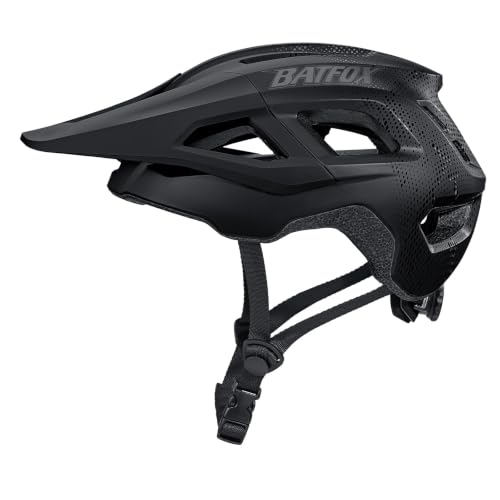
Pros
- NTA 8776 certification listed
- 17 ventilation holes
- Detachable visor
- Polycarbonate shell
- One-year quality support
Cons
- Only black color listed
- MIPS not listed
- Listed sizes stop at 61 cm
Side-by-Side Comparison
| Helmet | Certifications listed | Visibility and visor | Fit information | Ventilation |
|---|---|---|---|---|
| Shinmax Bike Helmet with Turn Signals | CPSC, CE, NTA 8776 | Front safety light, rear lights, turn signals, built-in visor | Medium 54 to 58 cm; Large 57 to 61 cm | 8 vents |
| LUMDEER E-Bike Smart Helmet NTA 8776 Certified LED | CPSC, EU EN 1078, NTA 8776 | Front and rear LEDs, turn signals, automatic brake light, photochromic visor | Not listed | 10 vents |
| KINGBIKE NTA-8776 Mountain Bike Helmet | U.S. and EU standards, NTA 8776 | Three-position visor, camera mount | Medium 53 to 56 cm; Large 57 to 61 cm | 17 vents |
| BATFOX NTA 8776 E-Bike & Mountain Bike Helmet | CPSC, CE, EN 1078, NTA 8776 | Detachable visor | Small 51 to 54 cm; Medium 55 to 58 cm; Large 57 to 61 cm | 17 vents |
Certification, fit range, and visibility features separate these helmets more than their general e-bike focus. Riders who need remote signals may prefer Shinmax or LUMDEER, while trail riders may value KINGBIKE’s camera mount or BATFOX’s published size range.
Common Mistakes to Avoid
Helmet fit is a common source of mistakes because a size label does not guarantee a secure fit on every head. Measure your head where the helmet will sit, compare that measurement with the maker’s size range, then adjust the rear dial and straps as instructed.
Certification claims also deserve a close look, especially when shopping for a helmet marketed for faster e-bike use. Check the product listing and helmet labeling for the applicable CPSC bicycle helmet certification, and confirm NTA 8776 only when that specific standard matters to your riding needs.
Integrated lights can be mistaken for a substitute for a dedicated headlight. Shinmax describes its front light as a safety light for signaling, not road illumination, so riders who need to see the path should choose a separate headlight suitable for their route.
Visors and electronic features can add convenience but also change what you need to maintain and charge. Confirm whether a visor is removable, whether a remote is included, and how the maker says to charge the lights before relying on those features for regular commuting.
Best E-Bike Helmet (NTA 8776) Buying Guide
Safety Standards and Intended Riding
Certification and intended use matter because a helmet must meet relevant requirements and suit the riding conditions you expect. In the United States, check the listing and helmet label for CPSC bicycle helmet certification, and follow the manufacturer’s instructions for fit, use, and replacement.
NTA 8776 is an e-bike helmet standard featured in all four products in this comparison, according to their product details. That does not replace checking for the U.S. CPSC standard or confirming that a helmet’s stated use matches your bike and local requirements.
Consider your route and riding style before paying for additional features. A commuter may prioritize lights and signals, while a trail rider may favor a visor, airflow, or camera mount; riders who need neither can consider a simpler helmet with a verified fit.
Fit, Size Range, and Adjustment
A helmet’s fit determines whether it sits securely and comfortably, so compare your head measurement with the maker’s stated range. Shinmax lists Medium and Large sizes, KINGBIKE lists Medium and Large, and BATFOX lists Small, Medium, and Large ranges.
LUMDEER’s size range is not listed in its product details, so confirm sizing with the seller or manufacturer before ordering. Do not assume that a dial adjustment makes a helmet fit every head shape; straps, shell shape, and the helmet’s position also matter.
When a helmet arrives, follow its instructions to position it level and adjust the retention system and straps. The helmet should feel stable without painful pressure, and you should recheck adjustment after changing pads or wearing different headwear.
Visibility Lights and Controls
Helmet lights and turn signals help other road users notice your position, but they do not automatically replace a bike headlight or rear light. Shinmax includes rear light modes, turn signals, and a front safety light that its maker identifies as signaling-only.
LUMDEER lists front and rear LEDs, remotely controlled turn signals, and an automatic brake light. Check how each control works, whether the remote suits your handlebar setup, and whether you can operate it without taking attention away from traffic.
Ask whether lights are visible from the directions that matter on your route and whether charging fits your routine. For darker roads, pair helmet visibility features with suitable bike lights and reflective clothing rather than relying on a helmet lamp alone.
Visor, Camera Mount, and Eye Protection
Visor design matters when sunlight, rain, branches, or changing light affect your ride. KINGBIKE lists a visor with three positions, BATFOX has a detachable visor, and Shinmax includes a built-in visor for glare.
LUMDEER’s removable magnetic photochromic visor is described as changing tint with ultraviolet intensity. That feature may suit riders moving between bright and cloudy conditions, but check whether the visor’s shape and coverage work with your glasses and preferred riding position.
KINGBIKE includes a camera mount, which can help riders who want to record a ride, but mount compatibility should be confirmed with the camera maker. Riders who do not need a camera mount or visor adjustment may prefer a simpler helmet design.
Ventilation, Padding, and Weather
Ventilation affects comfort by allowing airflow through the helmet, especially during hard efforts and warm-weather rides. KINGBIKE and BATFOX list 17 vents, LUMDEER lists 10, and Shinmax lists 8; vent count alone does not determine how a helmet feels.
Shinmax and KINGBIKE list removable, washable pads, which can help riders keep interior padding clean. Check the care instructions before washing pads or cleaning the shell, because unsuitable cleaners or handling can damage helmet materials.
LUMDEER describes its helmet as water-resistant, but the other product details do not list a weather-resistance rating. For wet commutes, check the maker’s care guidance for the shell, electronics, remote, and charging port instead of assuming every component can tolerate rain.
Battery, Charging, and Daily Use
Battery and charging details affect how reliably electronic helmet features fit into a daily routine. Shinmax lists USB-C charging, about two hours to charge, and up to five hours of runtime; LUMDEER lists up to 12 hours of lighting runtime.
Those figures come from the manufacturers’ product details and can vary with operating modes and use. The listed details do not specify runtime for every light mode, so riders should check the product listing and avoid assuming maximum runtime applies to signals or warning modes.
Charge the helmet according to its instructions and inspect cables, ports, and controls regularly. Riders who prefer fewer charging tasks can choose a helmet without integrated electronics and use separate bike lights that are easier to replace or charge independently.
How We Chose
We scored these helmets with the Haiku Ride Score: core performance 30%, build and weather resistance 20%, ease of use 20%, compatibility and battery 15%, and value 15%. We compared manufacturer specifications, compatibility information, and long-term owner feedback where available.
We researched and drafted this guide with software tools, including AI, then had a Haiku Bike editor review and edit it before publication. Our process evaluates the features riders can compare from available information; learn more about how we review.
Price and Value: What Each Budget Gets You
Budget
At the lower end of this guide, riders can find e-bike helmets with NTA 8776 certification, adjustable fit systems, and useful trail details. KINGBIKE combines a three-position visor and camera mount, while BATFOX lists multiple sizes and 17 vents. Buyers give up some electronic convenience, since neither product’s listed features include integrated lights or remote signals.
Mid-Range
Mid-range options add integrated visibility features while keeping familiar helmet basics such as adjustable fit and ventilation. Shinmax pairs rear lights and remote turn signals with a built-in visor, plus USB-C charging. Riders gain more on-helmet signaling but take on charging and remote setup, and its front safety light is not intended to illuminate the road.
Premium
At the top of this guide, LUMDEER adds front and rear LEDs, remotely controlled turn signals, an automatic brake light, and a photochromic visor. Those features may appeal to riders who want several visibility and eye-shield functions in one helmet. The trade-off is greater dependence on electronics, while its listed size range is not specified.
Choosing Something Else
A standard CPSC-certified bicycle helmet paired with separate bike lights may suit riders who do not want integrated electronics. Separate lights can be selected or replaced independently, while reflective clothing adds visibility without requiring a helmet battery. Riders choosing this route should still confirm helmet fit, certification, and light suitability for their roads and riding hours.
Final Thoughts
Commuters who want helmet-mounted turn signals and rear lights should consider Shinmax Bike Helmet with Turn Signals. Its listed fit ranges, remote controls, and USB-C charging make its feature set clear, but riders needing a headlight must add a separate road-illuminating light.
Riders who value changing-light eye protection and several electronic features may prefer LUMDEER E-Bike Smart Helmet NTA 8776 Certified LED. Trail riders looking for a camera mount and adjustable visor can consider KINGBIKE NTA-8776 Mountain Bike Helmet, while BATFOX NTA 8776 E-Bike & Mountain Bike Helmet lists a broad size range and substantial ventilation.
Skip feature-heavy helmets if you prefer a simple setup, do not want to manage charging, or cannot confirm a secure fit. A conventional certified helmet with separate lights may suit those riders better; compare our e-bike helmet category and e-bike accessories guide for related gear.
FAQs
Which certifications should an e-bike helmet have in the United States?
An e-bike helmet sold for bicycle use in the United States should have the applicable CPSC bicycle helmet certification, which buyers can confirm on the helmet label and product listing. Some helmets also state NTA 8776 certification for e-bike use. Check both claims directly, and follow the manufacturer’s instructions and local laws.
How should I choose the right e-bike helmet size?
Choose an e-bike helmet size by measuring your head and comparing the result with the manufacturer’s stated size range. Adjust the retention dial and straps as directed, then check that the helmet sits level and stable. If the maker does not publish sizing information, ask for confirmation before ordering rather than relying on a general fit label.
Are helmet turn signals a replacement for bike lights?
Helmet turn signals are not automatically a replacement for bike lights because signaling and illuminating the road are different jobs. Shinmax describes its front light as a safety light for signaling, not road illumination. Choose a suitable bike headlight and rear light for your route, and use helmet signals as an additional visibility feature.
How long do e-bike helmet lights run between charges?
E-bike helmet light runtime depends on the product and operating mode. Shinmax lists up to five hours of runtime after about two hours of USB-C charging, while LUMDEER lists up to 12 hours. Those maker figures do not specify every mode’s runtime, so check the product details and charge as instructed.
Can I wear an e-bike helmet in rain?
Rain suitability depends on the helmet’s materials and any integrated electronics, so check the manufacturer’s care and weather guidance. LUMDEER describes its helmet as water-resistant, but that description does not establish how every component handles every condition. Keep charging ports and remotes within the maker’s stated limits, and inspect the helmet after wet rides.
Which features matter most in Best E-Bike Helmet (NTA 8776) of 2026?
Fit and relevant certification matter first when comparing Best E-Bike Helmet (NTA 8776) options, because lights and visors cannot make an unsuitable helmet fit securely. Then compare visibility features, charging needs, ventilation, and visor design against your routes. Riders considering more gear can also browse the e-bike accessories category.
How do I care for a helmet with lights or a visor?
Care for an e-bike helmet by following its manufacturer’s cleaning, charging, and storage instructions. Remove and wash pads only when the maker says they are removable and washable, and use approved cleaning methods on the shell and visor. Check straps, controls, and charging ports regularly, and replace the helmet according to the manufacturer’s guidance after damage.









Write Your Review
No reviews yet. Be the first to share your experience!