

A bike seat can hurt when its shape, width, position, or padding does not suit your body and riding posture. Pressure can also build when you ride longer than your body is used to, wear clothing with seams in the wrong place, or stay in one position. Small adjustments can help identify the cause.
Where and when discomfort appears can point to its source: soreness over sit bones differs from rubbing, pressure, or numbness. Change one setup factor at a time, and ask a qualified health professional about persistent pain, numbness, or symptoms that concern you.
Most Common Causes
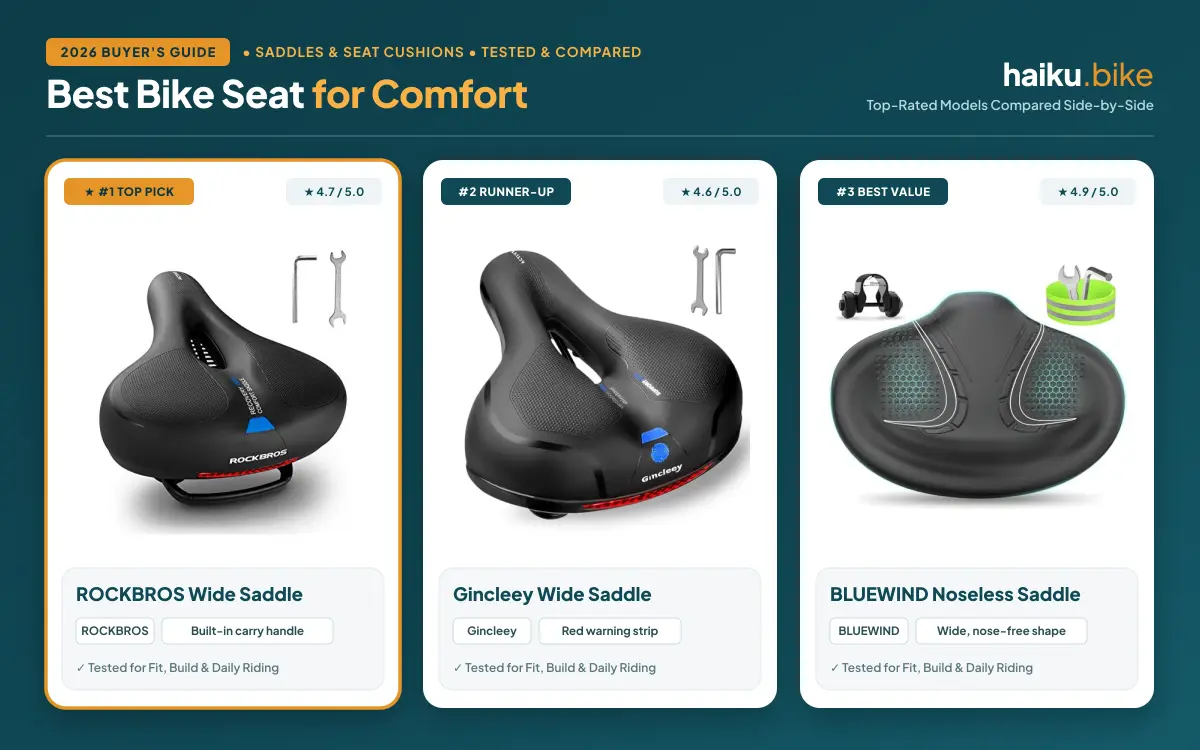
Saddle width or shape does not suit you
A saddle that is too narrow may leave your sit bones without enough support, while a saddle that is too wide can rub your inner thighs. A shape that does not match your riding posture can also concentrate pressure in sensitive areas.
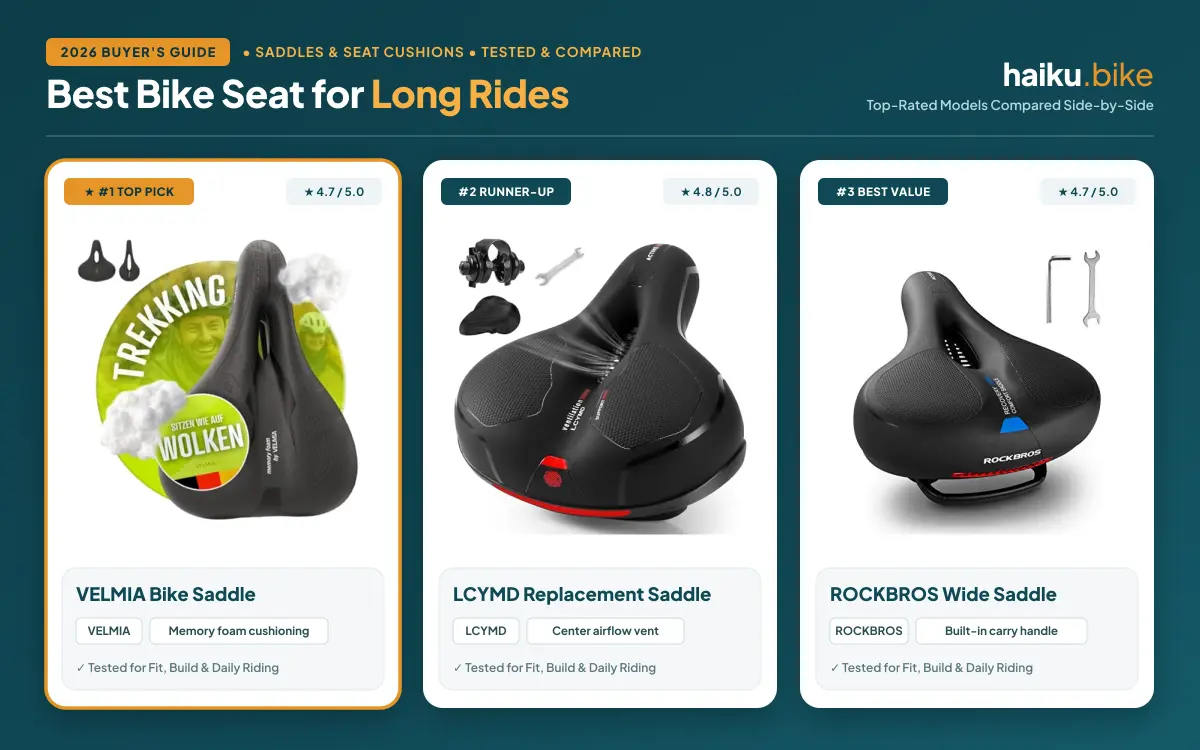
Notice whether discomfort is centered on your sit bones or comes from rubbing along the sides. A bike shop can help assess saddle fit and riding position; the guide to bike seats for long rides explains features to consider when comparing shapes.
Saddle height or position is off
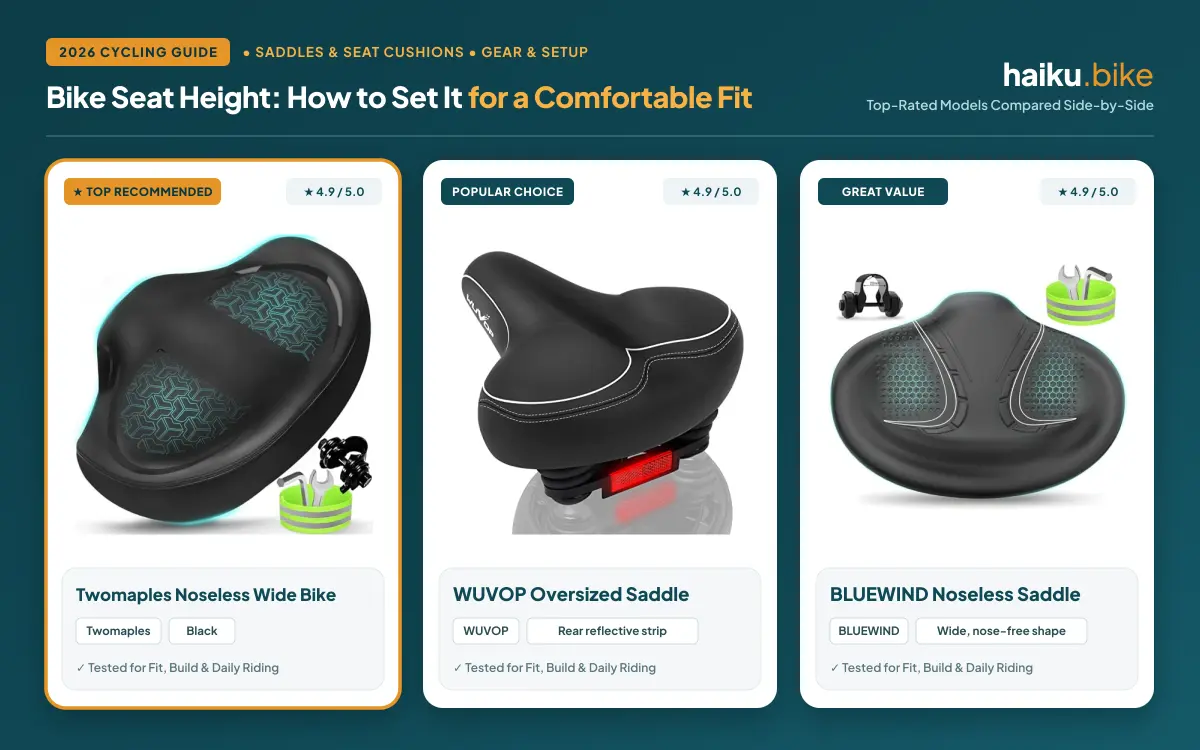
A saddle set too high can make you rock your hips to reach the pedals, increasing rubbing and pressure. A saddle set too low can change how your weight rests on the seat and may make each pedal stroke feel cramped.
Fore-and-aft position and tilt matter too. Make small changes, keep track of the original setup, and reassess how the bike feels; ask a mechanic for help if you are unsure how to adjust the seatpost or saddle hardware.
Your riding position puts too much weight on the saddle
A very upright or stretched-out position can shift pressure in ways that make a saddle uncomfortable. Handlebar reach, flexibility, and how you support your upper body can all affect how much weight rests on the seat.
If discomfort changes when you move your hands or posture, the saddle may not be the only factor. A professional bike fit can review saddle position alongside handlebar reach, rather than treating the seat as an isolated part.
You are riding longer than you are accustomed to
Time in the saddle can expose pressure that does not bother you on short trips. A sudden increase in ride length or frequency may leave your contact points less accustomed to the repeated pressure and movement.
Build riding time gradually and pause or change position when needed. If pain is sharp, worsening, or continues after a ride, do not assume that riding through it will solve the problem; seek qualified advice.
Clothing or seams cause rubbing
Loose fabric, thick seams, or folds can rub against your skin with every pedal stroke. A saddle that feels comfortable in one outfit may feel different with clothing that bunches or shifts while you ride.
Check clothing for seams and folds that line up with the sore area, and choose close-fitting cycling clothing if it helps reduce movement. Keep fabric clean and dry, since friction and moisture can make irritation more noticeable.
Extra padding or a soft cover shifts pressure
More padding does not always mean less discomfort. A very soft saddle or thick cover can compress, shift your position, or increase rubbing instead of distributing pressure in a way that works for you.
Check whether a cover moves during your ride or makes your thighs rub. A stable saddle with a shape that suits your posture may work better than adding bulk, though comfort remains personal.
How to Prevent It
Start by identifying the discomfort’s location and when it begins. Check that the saddle is secure, then review its height, tilt, and fore-and-aft position; follow the maker’s instructions, and ask a bike shop to check adjustments you are unsure about.
Change only one setup factor at a time so you can tell whether it helped. Keep notes on your position, clothing, and ride conditions, and avoid making several changes in response to one uncomfortable ride.
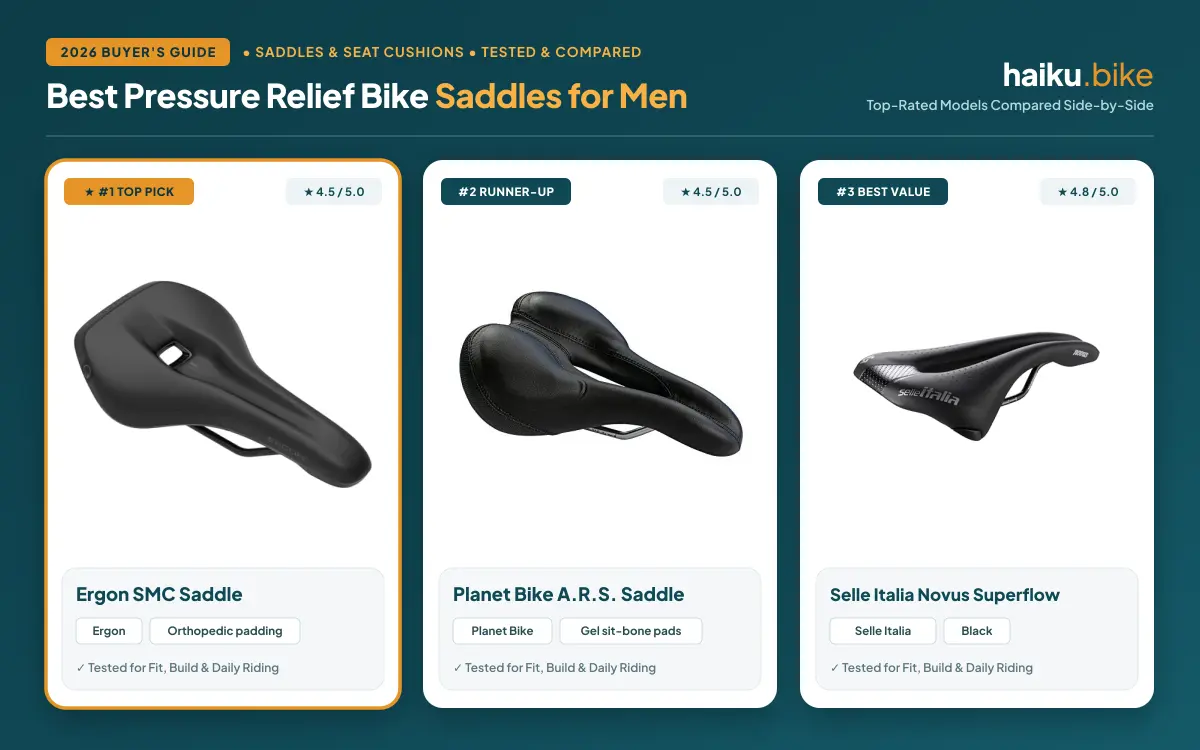
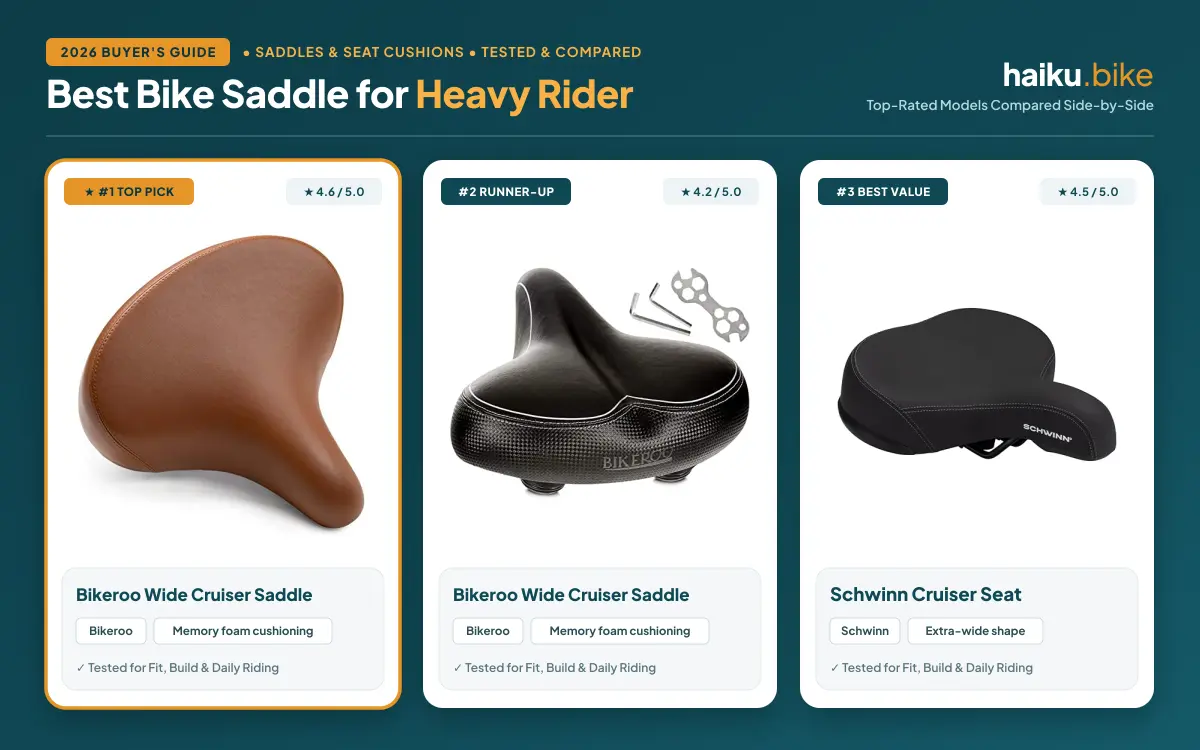
If saddle shape remains a concern, compare options by width, profile, and intended posture rather than softness alone. Guides to saddles for heavier riders and pressure-relief saddle designs for men discuss factors that may inform your comparison. Ask a qualified professional about health concerns.
FAQs
Should a bike seat hurt when you first start riding?
A bike seat should not cause severe or persistent pain, though unfamiliar pressure can feel noticeable when you are new to riding. Check saddle fit, riding position, and clothing before assuming discomfort is something you must accept. Stop and seek qualified advice if pain persists, worsens, or includes numbness.
Does a softer bike seat prevent soreness?
A softer bike seat does not prevent soreness for every rider. Extra padding can compress or move, and saddle width and shape may matter more than softness. Consider where the pressure occurs and whether your position or clothing contributes before choosing a different saddle or cover.
How do I know if my saddle is too high?
A saddle may be too high if you rock your hips or point your toes to reach the pedals. Those movements can contribute to rubbing and discomfort. Check your position while pedaling and get a bike shop’s help if you are unsure; do not rely on pain alone to diagnose saddle height.
Can bike shorts help with seat discomfort?
Bike shorts can reduce fabric movement and seam friction for some riders, but they cannot correct a poorly fitting saddle or position. Clothing fit is personal, so check whether seams or folds line up with the irritated area. Persistent pain or skin concerns call for qualified professional advice.
When should I replace my bike saddle?
Consider replacing a saddle when its shape does not suit your riding posture, its padding or cover is damaged, or careful fit adjustments have not resolved discomfort. First check saddle position and clothing, since a new seat may not address the cause. A bike shop can help compare fit and compatibility.
Write Your Review
No reviews yet. Be the first to share your experience!