

Men shopping for a saddle with less center contact can compare models with a center channel, a cutout, or a noseless shape. The best fit depends on riding posture, sit-bone support, and where your body contacts the saddle, not on padding alone.
For November 2026, this guide compares 5 pressure-relief saddles from ISM, Planet Bike, Terry and more, with options for road riding and upright commutes. Read our guide to common causes of bike-seat discomfort for more context, and follow the saddle maker’s instructions and local laws when riding.
Health and safety note: Haiku Bike does not give medical advice, and no bike saddle treats or prevents a prostate condition. If you have a prostate condition, recent pelvic surgery, or numbness or pain that persists, ask your doctor before you ride. A bike shop or professional fitter can check your saddle position.
At a Glance: Which One Fits You
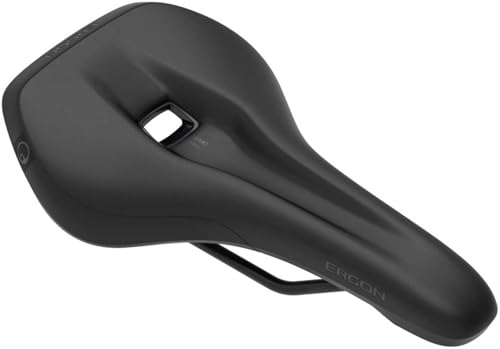
- Best overall: ERGON Men’s SMC Saddle, Black, M/L suits riders seeking a pronounced relief channel and a stated sit-bone width range.
- Best value: Planet Bike A.R.S. Standard Bike seat – Men’s combines a full-length center recess with sit-bone gel pads and a weather-resistant cover.
- Best for road riding: Selle Italia Novus Superflow Endurance TM Road pairs an anatomic cutout with a gel layer and extra padding.
- Best for upright city riding: ISM Touring Noseless Bike Seat removes the traditional saddle nose and uses a sloped front for easier mounting and dismounting.
Pros
- Contoured pressure-distribution surface
- Pronounced men's relief channel
- Orthopedic padding
- Flexible side flanks
- 12 to 16 cm sit-bone fit
Cons
- Men's-specific design
- Fit limited to 12 to 16 cm sit-bone width
- Who should skip it: riders outside its sit-bone range

Pros
- Sit-bone-supporting contour
- Cutaway with rear relief channel
- Seamless synthetic cover
- Vegan-friendly Dura-Tek cover
- 11.1 oz listed weight
Cons
- 140 mm width may not suit every rider
- No mounting compatibility details provided
- Who should skip it: riders needing a wider saddle

Pros
- Gel layer and anatomic cutout
- Extra padding for long distances
- Flexible 7 mm alloy rails
- Easy installation on nearly any bike
Cons
- 310 g weight
- Who should skip it: riders seeking a lighter saddle

Pros
- Noseless pressure-relief design
- Sloped front for easier mounting
- 60-Series foam padding
- Firm, stable base
- Satin Steel rails
Cons
- One size only
- Who should skip it: riders who prefer traditional saddles
- Designed for upright riding, not every riding position

Pros
- Full-length center recess
- Gel sit-bone pads
- Foam padding
- Weather-resistant cover
- Abrasion-resistant sides
Cons
- Rail and clamp compatibility not listed
- No rider-fit guidance listed
Side-by-Side Comparison
| Saddle | Pressure-relief design | Padding | Dimensions or fit | Rails or cover |
|---|---|---|---|---|
| ERGON Men’s SMC Saddle, Black, M/L | Pronounced relief channel | Orthopedic padding | Sit-bone width 12-16 cm | Not listed |
| Terry Fly Cromoly Bicycle Saddle | Center cutaway and rear relief channel | Not listed | 277 mm x 140 mm; 316 g | FeC alloy rails; Dura-Tek cover |
| Selle Italia Novus Superflow Endurance TM Road | Flow anatomic cutout | Gel layer and extra padding | 282 mm x 149 mm; 310 g | Chromoly and manganese alloy rails |
| ISM Touring Noseless Bike Seat | Noseless design | 60-Series foam | 175 mm x 195 mm | Satin Steel rails |
| Planet Bike A.R.S. Standard Bike seat – Men’s | Full-length center recess and cutout | Sit-bone gel pads and foam | Not listed | Weather-resistant cover |
The most important difference is how each saddle removes or redistributes contact, because channel designs and a noseless shape suit different riding positions. The ERGON publishes a sit-bone fit range, while ISM targets upright riding, so start with your posture and sizing needs.
Common Mistakes to Avoid
Choosing the softest-looking saddle can leave sit bones poorly supported, since thick padding does not guarantee a suitable shape. Compare the saddle’s width and profile with your posture, and use the maker’s fit guidance instead of judging by cushioning alone.
Assuming every cutout relieves pressure in the same place can also lead to a poor match. The Selle Italia uses an anatomic cutout, Terry lists a center cutaway and rear channel, and ERGON specifies a pronounced relief channel, so compare placement and overall shape.
Ignoring riding position can make a comfort saddle feel awkward once pedaling begins. A noseless seat such as the ISM Touring is designed for upright city, commuter, and hybrid riding, while road-oriented shapes may better suit a forward position.
Overlooking rail and clamp compatibility can complicate installation or prevent a secure fit. Check the saddle rails against your seatpost clamp before ordering, then make gradual position changes and seek help from a bike shop if the fit remains uncomfortable.
Best Pressure Relief Bike Saddles for Men: Buying Guide
Pressure-Relief Shape and Placement
A saddle’s channel, cutout, or missing nose changes where it contacts the rider, so shape should lead your comparison. ERGON describes a pronounced relief channel, Planet Bike lists a full-length recess and cutout, and Terry specifies a center cutaway with a rear relief channel.
Compare the opening’s position with your usual contact points and riding posture rather than treating any opening as a guarantee of comfort. A full-length recess differs from a shorter cutaway, and a noseless design changes the contact area more substantially than a center channel.
Width and Sit-Bone Support
Saddle width matters because the rear of the saddle needs to support your sit bones without interfering with leg movement. ERGON lists a sit-bone width range of 12-16 cm, while Terry publishes a saddle width of 140 mm.
Compare published dimensions with your current saddle and the maker’s sizing guidance before choosing a replacement. Some options here do not list a saddle width, so do not assume that a product name or men’s label confirms a fit; ask a bike shop about sizing if you remain unsure.
Riding Position and Saddle Profile
Riding position changes how your weight rests on a saddle, which makes intended use an important selection criterion. ISM describes the Touring as suited to upright city, commuter, hybrid, and police-bike riding, while Selle Italia identifies the Novus as a road saddle.
A more upright posture places your body differently than a forward road position, so a wide noseless seat may not suit every bike. Consider how far you lean, how freely your thighs move, and whether you shift position during a ride before choosing a profile.
Padding and Ride Feel
Padding affects how a saddle feels, but its amount and placement should work with the shell shape and your posture. Selle Italia lists a gel layer and extra padding, Planet Bike lists foam and sit-bone gel pads, and ISM specifies 60-Series foam.
More padding is not automatically better for longer rides, because support depends on fit as well as cushioning. Compare the padding description with your riding duration and current saddle experience, and avoid choosing a seat solely because it looks plush in product images.
Rails, Cover, and Installation
Rail construction and clamp compatibility determine whether a replacement saddle can be mounted securely on your bike. Selle Italia lists chromoly and manganese alloy rails, Terry lists FeC alloy rails, and ISM lists Satin Steel rails.
Check the rail shape and seatpost clamp instructions before removing your current saddle, because a similar-looking rail may not match every clamp. Cover details can also matter for everyday use: Planet Bike lists a weather-resistant cover, and Terry specifies a Dura-Tek cover.
Adjustment and Fit Follow-Up
Careful saddle adjustment helps you assess whether the shape suits your bike position. Follow the maker’s installation guidance, confirm the clamp is secure, and change saddle height, tilt, or fore-aft placement gradually rather than changing several settings together.
Persistent discomfort deserves attention beyond repeated product swaps, since saddle position and overall bike fit also affect contact. Our guide to setting bike-seat height covers one fit variable, while a qualified bike fitter can assess your complete riding position.
How We Chose
We compare each saddle with the Haiku Ride Score: core performance 30%, build and weather resistance 20%, ease of use 20%, compatibility and fit 15%, and value 15%. For saddles, compatibility and fit cover rail and seatpost-clamp fit, published dimensions, and rider-position suitability.
Our evaluation draws on manufacturer specifications, compatibility information, and long-term owner feedback when available. We research and draft our guides with software tools, including AI, then run automated checks on product fit, sourcing, and our editorial rules. Our editor spot-checks guides rather than reading each one before publication. Our how we review page explains the method.
Price and Value: What Each Budget Gets You
Budget
At the entry level, a saddle may offer a basic pressure-relief opening, foam, or a weather-resistant cover without extensive published sizing details. Planet Bike A.R.S. combines a full-length recess with gel pads and foam, but its width is not listed here. Riders who need precise dimensions should confirm fit guidance before choosing a simpler design.
Mid-Range
Mid-range options can pair a defined relief shape with added padding or published dimensions. Terry Fly lists a center cutaway, rear channel, 140 mm width, and FeC alloy rails, while ERGON adds a stated sit-bone fit range. Riders may still need to prioritize either a particular posture or a specific style of cutout.
Premium
Higher-tier designs may emphasize specialized construction, cushioning, or a distinct shape rather than universal fit. Selle Italia lists an anatomic cutout, gel layer, and alloy rails, while ISM’s noseless Touring uses 60-Series foam and a wide profile for upright riding. These details do not ensure either saddle will suit every rider.
Choosing Something Else
If discomfort may come from saddle position, adjusting the current seat or arranging a professional fit may be more useful than buying another saddle. That route suits riders whose current saddle has an appropriate shape but feels poorly positioned. Persistent pain or numbness should not be treated as a problem a product can diagnose or resolve.
Final Thoughts
Riders looking for a defined channel and published fit guidance should compare ERGON Men’s SMC Saddle, Black, M/L with their sit-bone measurements. Its channel and stated width range give buyers useful fit details, though the saddle’s overall profile still needs to suit their riding posture.
For road use, Selle Italia Novus Superflow Endurance TM Road combines an anatomic cutout, gel layer, and extra padding. Riders who want a channel and a rear relief feature can also consider Terry Fly Cromoly Bicycle Saddle, which publishes its dimensions but may not suit riders seeking a wider seat.
Upright commuters may prefer the noseless shape of ISM Touring Noseless Bike Seat, while Planet Bike A.R.S. Standard Bike seat – Men’s offers a full-length recess and gel pads. ISM has a broad profile intended for upright riding, and Planet Bike does not list a saddle width here.
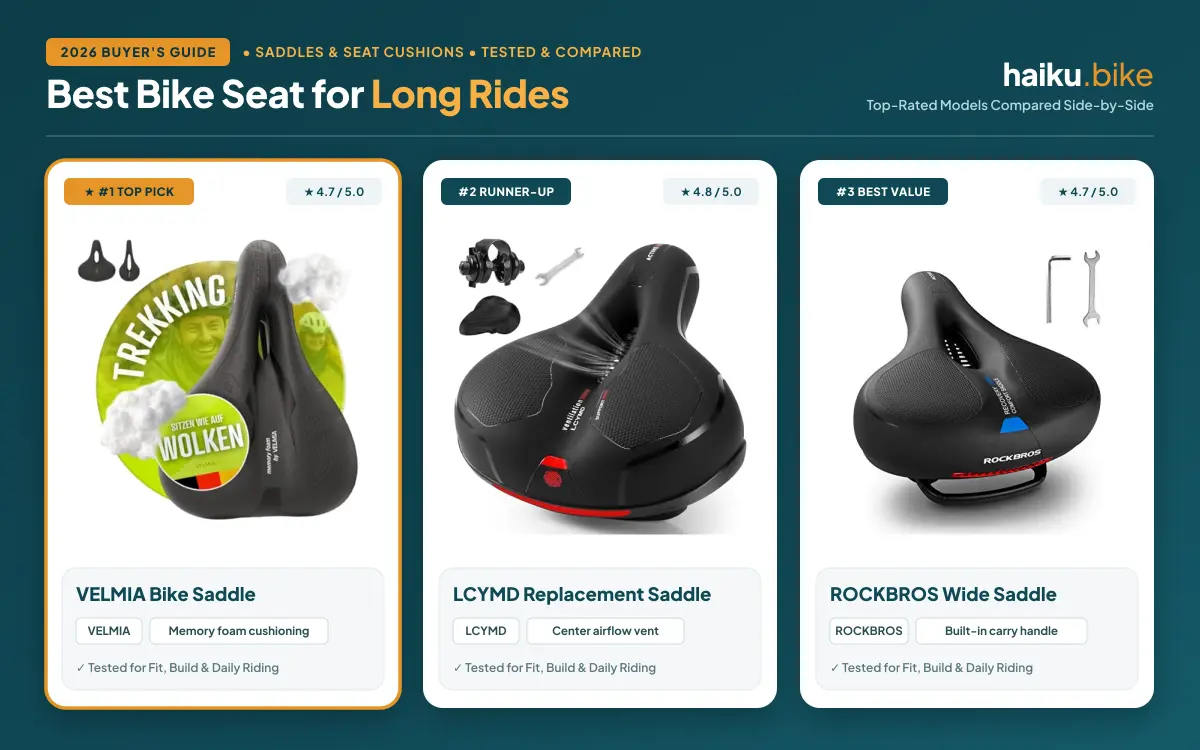
Skip a replacement saddle if you expect one product to address persistent pain or numbness without a fit assessment. Compare more options in the Saddles & Seat Cushions category, or see our guide to bike seats for long rides if ride duration is your main concern.
FAQs
Can a bike saddle reduce pressure on soft tissue?
A bike saddle with a channel, cutout, or noseless shape changes contact around the soft-tissue area, but no design guarantees relief for every rider. Fit, posture, and saddle placement all affect pressure. Persistent numbness or pain deserves attention from a qualified health professional rather than repeated product changes alone.
How do I choose a bike saddle width?
A bike saddle should support your sit bones while allowing comfortable leg movement. Compare your measurements with the maker’s sizing guidance and published saddle dimensions, rather than relying on a men’s label or appearance. ERGON lists a sit-bone width range, while some saddles in this guide do not publish a width.
Is a saddle cutout better than a relief channel?
A saddle cutout and a relief channel both aim to reduce contact in the saddle’s center, but their shapes and positions differ. Planet Bike lists a full-length recess and cutout, while ERGON describes a pronounced channel. Compare each design with your posture and contact points, because neither is automatically better for every rider.
Does a noseless bike saddle suit road riding?
A noseless bike saddle changes how the rider contacts the seat and may suit the upright city, commuter, and hybrid uses described for the ISM Touring. That intended use does not establish fit for a forward road position. Compare the shape with your posture, bike setup, and desired freedom of movement before ordering.
Will any replacement saddle fit my seatpost?
A replacement saddle fits only if its rails work with the bike’s seatpost clamp. Check the saddle and seatpost instructions for rail and clamp compatibility before removing the existing seat. After installation, follow the maker’s mounting directions and confirm the saddle is secure; a bike shop can help assess compatibility.
Can thick padding make a saddle more comfortable?
Thick padding can change initial feel, but it does not guarantee support during longer rides. Selle Italia lists a gel layer and extra padding, while Planet Bike combines foam with sit-bone gel pads. Saddle width, shape, and riding posture still matter, so compare those features alongside cushioning rather than choosing by softness alone.
What should I adjust after installing a new saddle?
After installing a new saddle, check its security and make gradual adjustments to height, tilt, or fore-aft position. Change one setting at a time so you can identify which adjustment affects comfort and reach. Follow the maker’s instructions, and consult a bike shop if fit remains uncertain or discomfort persists.
Write Your Review
No reviews yet. Be the first to share your experience!