

Downhill riders, bike-park regulars, and trail riders seeking chin-bar coverage need a helmet that fits securely without making every climb uncomfortable. The Best Full Face Mountain Bike Helmet options here vary in fit, ventilation, eyewear features, and listed safety information, so match each detail to your riding and head measurement.
We compared 5 helmets from OutdoorMaster, BELL, Fly Racing and more in November 2026, focusing on maker-listed specifications and practical fit considerations. Follow manufacturer instructions and local laws, and check that any bicycle helmet meets CPSC 16 CFR Part 1203 requirements. Browse our mountain bike helmet category for more coverage options.
At a Glance: Which One Fits You
- Best overall: OutdoorMaster MIPS Full Face MTB Helmet earns this spot because it combines MIPS, 27 vents, and a stated fit range of 54 to 62 cm.
- Best value: OutdoorMaster Full Face Mountain Bike Helmet earns this spot because it lists 27 vents, a washable liner, and a 57 to 62 cm fit range.
- Best for downhill standards: Fly Racing Rayce MTB/BMX Bicycle Helmet earns this spot because its listed standards include ASTM F1952-15 for downhill use.
- Best for included eyewear: ILM Mountain Bike MTB Full Face Helmet Adults earns this spot because it includes goggles and lists an adjustable size dial.
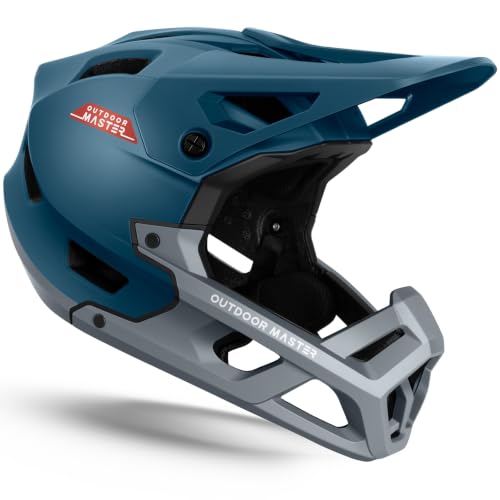
Pros
- 27 ventilation channels
- Removable, washable liner
- Goggle-strap channel
- Pivoting visor
Cons
- Listed fit range limited to 22.4 to 24.4 inches
- No safety certification listed
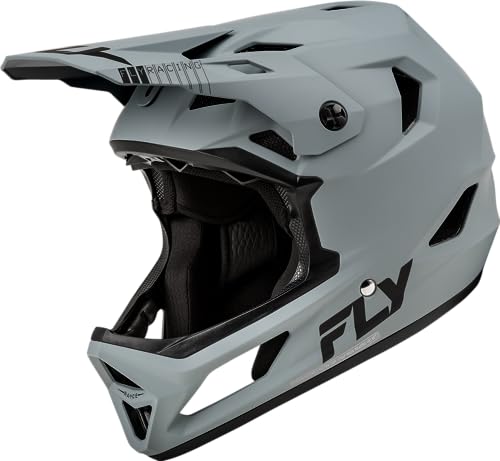
Pros
- Three listed safety certifications
- Intake and exhaust ventilation ports
- Removable, washable liner and cheek pads
- Adjustable visor with aluminum hardware
- Secure D-ring strap closure
Cons
- Only adult Large listed
- Approximate weight applies to size M
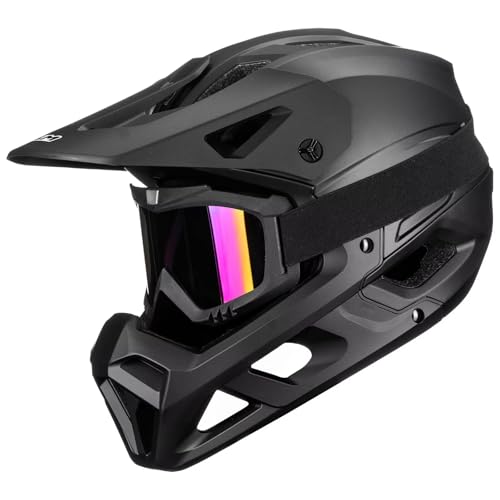
Pros
- Extended chin bar
- Adjustable visor
- Goggles included
- Removable, washable liner
- Multiple ventilation ports
Cons
- Only Large size listed
- Listed weight: 1.58 lb

Pros
- 14 vents
- Removable cheek pads
- Flying Bridge Visor
- CPSC-compliant
- ASTM Downhill and BMX certifications
Cons
- This listing offers XL only
- Fit requires careful measurement

Pros
- MIPS system
- 27 ventilation channels
- Removable, washable liner
- Goggle-strap channel
- Pivoting visor
Cons
- No safety certification listed
- Only Large size listed
Side-by-Side Comparison
| Helmet | Fit or adjustment | Ventilation | Listed standards or features | Weight | Goggles |
|---|---|---|---|---|---|
| OutdoorMaster MIPS Full Face MTB Helmet | 54 to 62 cm | 27 vents | MIPS; EPP collarbone impact system | Under 750 g | Goggle-strap channel |
| Fly Racing Rayce MTB/BMX Bicycle Helmet | Size-specific; D-ring closure | TFV airflow system | ASTM F1952-15, CPSC 1203, CE EN1078 | About 930 g in size M | Not listed |
| OutdoorMaster Full Face Mountain Bike Helmet | 57 to 62 cm | 27 vents | EPP collarbone impact system | Under 750 g | Goggle-strap channel |
| ILM Mountain Bike MTB Full Face Helmet Adults | Adjustable buckle and size adjuster | Multiple vents | ASTM F1447 and CPSC listed | Not listed | Included |
| Bell Sanction 2 Adult Full-Face Bike Helmet | Sizes cover 48 to 61 cm | 14 vents | CPSC; ASTM downhill and BMX listed | Not listed | Not listed |
Fit and listed safety standards create the biggest differences in this comparison. Riders prioritizing a stated downhill standard can consider Fly Racing Rayce, while riders seeking MIPS can consider OutdoorMaster MIPS Full Face MTB Helmet; each still needs a secure fit.
Common Mistakes to Avoid
Choosing by a familiar size label without measuring your head can leave a full-face helmet loose or uncomfortable. Measure circumference as the maker directs, compare it with the exact size chart, and try the selected size before riding when possible.
Assuming every full-face helmet lists the same safety standards can lead to a poor match for gravity riding. Fly Racing lists ASTM F1952-15, CPSC 1203, and CE EN1078, while Bell lists CPSC and ASTM downhill and BMX certifications.
Ignoring ventilation, liner care, and eyewear fit can make a helmet harder to use on long rides. Compare vent layouts, washable padding, goggle channels, and included accessories, then inspect shell, straps, and closure according to maker instructions.
Best Full Face Mountain Bike Helmet Buying Guide
Fit and Head Coverage
Fit matters because a helmet must sit securely in its intended position to provide its designed coverage. Measure your head circumference where the manufacturer directs, then compare the result with the exact size chart rather than relying on another brand’s sizing.
OutdoorMaster MIPS Full Face MTB Helmet lists a 54 to 62 cm range, while OutdoorMaster Full Face Mountain Bike Helmet lists 57 to 62 cm. Bell Sanction 2 sizes span 48 to 61 cm across its listed bands, so check the specific size you plan to buy.
A size chart cannot confirm shell shape or cheek-pad comfort by itself. With the helmet fastened, check that it sits level, stays stable when you move your head, and does not create painful pressure points; follow the maker’s fitting directions.
Safety Standards and Riding Use
Safety standards help you compare a helmet’s stated use with your riding, but no standard guarantees protection in every crash. Bicycle helmets sold for use in the United States should meet CPSC 16 CFR Part 1203 requirements, so check the helmet label and current product listing.
Downhill riders may also prioritize a gravity-riding standard. Fly Racing Rayce lists ASTM F1952-15 for downhill, CPSC 1203, and CE EN1078, while Bell Sanction 2 lists CPSC plus ASTM downhill and BMX certifications.
ILM lists ASTM F1447 and CPSC, while the OutdoorMaster descriptions identify features rather than specific certifications. Confirm certification claims on the current listing and helmet label, then choose a model whose stated use and fit suit your riding.
Rotational Protection and Impact Features
MIPS is a helmet system designed to reduce harmful rotational forces in certain impacts. OutdoorMaster MIPS Full Face MTB Helmet lists MIPS, which gives riders seeking this feature a clear point of difference among the options compared here.
Both OutdoorMaster helmets list an EPP collarbone impact system and chin-bar shock pads. ILM describes an EPP-reinforced chin bar, while other helmets list their own shell and liner details; compare those claims without assuming one feature prevents injury.
A protection feature does not replace correct fit or relevant certification. Review the maker’s description to understand what each system is intended to do, and follow manufacturer guidance about inspecting or replacing a helmet after an impact.
Ventilation, Weight, and Climb Comfort
Ventilation and weight affect comfort during climbs, warm-weather rides, and repeated bike-park laps. OutdoorMaster lists 27 vents and weight under 750 g for both helmets, while Fly Racing lists an approximate weight of 930 g for size M.
Bell Sanction 2 lists 14 vents, and ILM describes multiple vents without giving a count. Vent numbers alone cannot predict how cool a helmet will feel, so consider vent placement, your riding pace, local conditions, and tolerance for warmth.
A removable, washable liner can make regular cleaning more convenient. OutdoorMaster, Fly Racing, ILM, and Bell describe removable or washable padding or liners, although components vary; follow each maker’s care directions to avoid damaging materials.
Visor, Goggles, and Closure
Visor position, goggle retention, and strap closure affect how well a full-face helmet works with your eyewear and riding setup. OutdoorMaster lists a pivoting visor and goggle-strap channel, while Fly Racing lists an adjustable visor with aluminum hardware.
ILM includes goggles and an adjustable visor, which may suit riders assembling a coordinated setup. Bell lists its Flying Bridge Visor design, but a goggle channel is not listed; check compatibility if eyewear retention matters to you.
Closures deserve attention before purchase because you need to secure and adjust the strap correctly. Fly Racing lists a D-ring closure, and OutdoorMaster includes two sets of D-rings with different thicknesses; follow maker directions and check that eyewear does not interfere with fit.
Helmet Care and Replacement
Care instructions help preserve a helmet’s materials and keep its padding clean. Check the maker’s guidance before washing a liner, cleaning the shell, or storing the helmet, because products may require different care.
Inspect the shell, straps, buckle, and padding regularly, and follow manufacturer instructions after an impact. Damage may not always be obvious, so do not rely on appearance alone to decide whether a helmet remains suitable for riding.
Before ordering, verify the current size chart, listed certifications, and included parts. Those checks help prevent common mismatches, such as buying a helmet that does not fit your head shape or expecting eyewear or adjustment features that are not included.
How We Chose
We score each option with the Haiku Ride Score: core performance 30%, build and weather resistance 20%, ease of use 20%, compatibility and battery 15%, and value 15%. For helmets, we focus on fit information, stated safety details, comfort features, and practical equipment such as adjustable visors.
Our evaluation draws on manufacturer specifications, compatibility information, and long-term owner feedback when available. We research and draft our guides with software tools, including AI, then run automated checks on product fit, sourcing, and our editorial rules. Our editor spot-checks guides rather than reading each one before publication. Our how we review page explains the method.
Price and Value: What Each Budget Gets You
Budget
At the lower end of this guide’s range, riders can find full-face coverage with practical features rather than extensive adjustment systems. ILM Mountain Bike MTB Full Face Helmet Adults includes goggles, a size adjuster, and a washable liner. Riders may give up published weight information or a clearly specified vent count, so check fit and listing details before choosing.
Mid-Range
Mid-range options add a balance of ventilation, removable padding, and riding-specific details. OutdoorMaster Full Face Mountain Bike Helmet lists 27 vents, a goggle channel, and an EPP collarbone impact system, while Fly Racing Rayce lists downhill-specific ASTM F1952-15. Compare weight, fit range, and standards because these features differ substantially between helmets.
Premium
At the upper end of this selection, OutdoorMaster MIPS Full Face MTB Helmet adds MIPS alongside 27 vents, a washable liner, and a stated 54 to 62 cm fit range. Riders gain a named rotational-protection system, but should not assume it replaces certification or secure fit. Check the size chart and helmet label before committing.
Choosing Something Else
A half-shell mountain bike helmet may suit riders whose routes do not call for chin-bar coverage and who prioritize airflow on long climbs. It does not provide the same full-face coverage, so consider route demands and manufacturer guidance before choosing that alternative. Compare more coverage styles in our mountain bike helmet category.
Final Thoughts
Riders seeking MIPS and a stated 54 to 62 cm fit range should start with OutdoorMaster MIPS Full Face MTB Helmet. It also lists 27 vents and weighs under 750 g, but its fit still needs to suit your head shape and riding setup.
Riders prioritizing a listed downhill standard can consider Fly Racing Rayce MTB/BMX Bicycle Helmet, which lists ASTM F1952-15 and a D-ring closure. Its stated weight is about 930 g in size M, so riders especially sensitive to helmet weight may prefer comparing other options.
Riders wanting included goggles can consider ILM Mountain Bike MTB Full Face Helmet Adults, while OutdoorMaster Full Face Mountain Bike Helmet offers 27 vents and an EPP collarbone impact system without listed MIPS. Bell Sanction 2 Adult Full-Face Bike Helmet lists 14 vents and ASTM downhill and BMX certifications.
Skip full-face helmets if you do not need chin-bar coverage, none fits securely, or you want a cooler option for casual riding. Compare other designs in our mountain bike helmet section and browse helmets and safety gear before deciding.
FAQs
Which safety standard should a full-face bike helmet meet in the United States?
A bicycle helmet for use in the United States should meet CPSC 16 CFR Part 1203 requirements. Downhill riders may also look for a relevant gravity-riding standard, such as ASTM F1952-15. Check the helmet label and current product listing for certification details, then follow manufacturer instructions for fit, use, and care.
How should I measure for a full-face mountain bike helmet?
To measure for a full-face mountain bike helmet, follow the maker’s directions for measuring head circumference and compare your result with that helmet’s exact size chart. Brands and shell shapes vary, so a familiar size may not fit consistently across models. Check that the helmet sits level and secure before riding.
Does MIPS matter in a full-face mountain bike helmet?
MIPS is designed to reduce harmful rotational forces in certain impacts, and OutdoorMaster MIPS Full Face MTB Helmet lists this system. MIPS is one feature to consider, not a guarantee against injury or a substitute for proper fit. Compare certification, coverage, and comfort alongside any rotational-protection system.
Can I wear goggles with these full-face helmets?
Goggle compatibility depends on the helmet and eyewear combination. OutdoorMaster lists a goggle-strap channel, and ILM Mountain Bike MTB Full Face Helmet Adults includes goggles. Check strap placement, visor clearance, and facial fit before riding, because eyewear should not interfere with a secure helmet fit.
Are full-face helmets too hot for climbing?
Full-face helmets can feel warmer than open-face designs, particularly during slow climbs or in hot weather. OutdoorMaster lists 27 vents, Bell Sanction 2 lists 14, and Fly Racing describes its TFV airflow system. Consider your route, pace, climate, and comfort needs when deciding whether full-face coverage suits every ride.
When should I replace a full-face bike helmet?
Replace a full-face bike helmet after an impact when its manufacturer directs you to do so, and inspect its shell, straps, buckle, and padding regularly. Damage may not be visible, so appearance alone cannot confirm that a helmet remains suitable. Follow maker guidance for care, inspection, and replacement.
Which Best Full Face Mountain Bike Helmet options suit downhill riding in 2026?
Fly Racing Rayce MTB/BMX Bicycle Helmet lists ASTM F1952-15 for downhill, while Bell Sanction 2 lists ASTM downhill and BMX certifications. Those stated details can help gravity riders compare options, but they do not replace checking fit and the current helmet label. Browse our helmets and safety category for related guidance.
Write Your Review
No reviews yet. Be the first to share your experience!