

Commuters, families, and shared-path riders need a clear way to alert people nearby without startling them or taking a hand far from the controls. A bike bell makes that signal easy to deliver, but fit, striker reach, and tone differ across designs.
We compare 6 bike bells from Schwinn, Accmor, ROCKBROS and more for November 2026, including compact road-bar designs and classic ringers. Follow the maker’s installation instructions and local laws, and explore the Mirrors & Bells category for related gear.
At a Glance: Which One Fits You
- Best overall: RAVEMEN Q3 Road Bike Bell earns this spot because its dual hammers adjust through 180 degrees for different hand positions.
- Best value: Schwinn Classic Bike Bell, Black earns this spot because its tool-free attachment is designed for most standard handlebars.
- Best for wider bars: ROCKBROS Bike Bell Loud Classic for 0.87-1.25″ earns this spot because its stated fit range covers 22.2 to 31.8 mm handlebars.
- Best for compact setups: Greallthy Loud Bike Bell for Adults Kids Fit earns this spot because its maker lists a 25-gram weight and compact design.
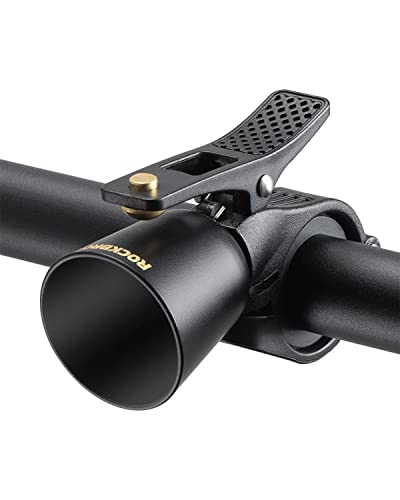
Pros
- Sustained brass bell ring
- Fits 0.87 to 1.25-inch bars
- Right- or left-side mounting
- Two anti-skid pads included
- Hex wrench included
Cons
- Only fits bars within stated diameter range
- Water-resistance rating not listed
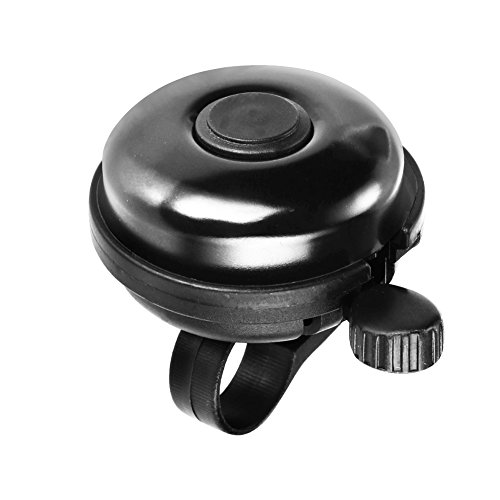
Pros
- Crisp warning ring
- Aluminum bell body
- Screwdriver installation
- Works with several bike types
Cons
- Fits a narrow handlebar diameter range
- Right-hand use only
- No sound level listed

Pros
- Fits 0.75 to 1-inch handlebars
- Two silicone pads included
- Hex key included
- Lightweight 0.88-ounce design
- Aluminum and polycarbonate construction
Cons
- Limited to stated handlebar diameter range
- No water-resistance rating stated

Pros
- Clearly audible ring
- Tool-free installation
- Fits most standard handlebars
- Lightweight design
- Classic black finish
Cons
- No handlebar size range listed
- Fits most, not all, standard handlebars

Pros
- 180-degree hammer adjustment
- Rings from different hand positions
- Light 1.18 oz weight
- Tool-free strap mounting
- Copper-alloy construction
Cons
- Designed for road bikes
- Fits handlebars up to 47 mm

Pros
- Maker-rated sound up to 100 dB
- Two handlebar spacers included
- Allen wrench included
- Fits several bike types
- Designed to clear controls and phone holders
Cons
- Fits bars only 22.2-31.8 mm
- ABS shell, not all-metal
Side-by-Side Comparison
| Product | Listed handlebar fit | Sound or striker | Material | Installation | Weight |
|---|---|---|---|---|---|
| RAVEMEN Q3 Road Bike Bell | Road handlebars up to 47 mm | Adjustable dual hammers, 90 to 100 dB according to maker | Copper alloy | Reusable straps, tool-free | 33.5 g |
| Schwinn Classic Bike Bell, Black | Most standard handlebars | Clearly audible ring | Not listed | Tool-free universal attachment | Not listed |
| Greallthy Loud Bike Bell for Adults Kids Fit | 19 to 25.4 mm | Spring striker, clear ring | Aluminum alloy and polycarbonate | Hex key and two silicone pads | 25 g |
| Accmor Classic Bike Bell, Aluminum Bicycle Bell | 0.83 to 0.86 inches | Crisp ring | Aluminum and engineering plastic | Screwdriver | Not listed |
| ROCKBROS Bike Bell Loud Classic for 0.87-1.25″ | 22.2 to 31.8 mm | Brass bell with sustained ding | Brass and nylon | Hex wrench and anti-skid pads | Not listed |
| Tiakia Bike Bell, Aluminum Alloy Classic Bicycle | 22.2 to 31.8 mm | Up to 100 dB according to maker | Aluminum alloy and ABS | Allen wrench and spacers | 46 g |
Handlebar fit is the key difference because even a clear-sounding bell is a poor match if its clamp cannot hold securely. Measure the bar at your planned mounting point, then compare that diameter with the stated range and account for pads or spacers.
Common Mistakes to Avoid
Buying before measuring handlebar diameter can lead to a loose or incompatible mount. Accmor lists a narrow 0.83-to-0.86-inch fit, while Greallthy lists 19 to 25.4 mm; ROCKBROS and Tiakia specify 22.2 to 31.8 mm. Measure the clamp area rather than relying on a broad compatibility label.
Ignoring hand position can leave a bell difficult to reach while riding. RAVEMEN’s adjustable dual hammers accommodate different positions on drop bars, while a conventional striker may suit a flat-bar setup. Check that the control sits within reach and does not interfere with brakes, shifting, or your normal grip.
Choosing by a loudness claim alone overlooks tone, access, and installation. Maker-reported decibel figures do not describe how every bell sounds in your surroundings. Compare the listed sound description and mounting hardware, then consider whether you can operate the bell comfortably on your usual route.
Best Bike Bell Buying Guide
Handlebar Diameter and Shape
Handlebar diameter determines whether a bell can clamp securely at your preferred mounting point. Measure the bar where the bell will sit and compare the measurement with the maker’s stated range, including any allowance provided by pads or spacers.
Bar shape and available space matter alongside diameter because road, mountain, BMX, and cruiser cockpits differ. RAVEMEN describes a strap mount for road handlebars up to 47 mm, while Accmor lists compatibility with standard straight bars. Check the exact fit information if your bar has an unusual shape or crowded controls.
Reach and Striker Design
Striker reach determines whether you can ring the bell without shifting your grip or moving a hand away from an important control. Consider where your fingers rest during ordinary riding, then compare that position with the bell’s lever or hammer placement.
RAVEMEN uses one fixed hammer and one flexible hammer with 180-degree adjustment, a design intended to accommodate different hand positions. That arrangement may suit drop-bar riders who move between riding positions. A conventional striker can be simpler, provided it remains easy to operate from your usual grip.
Sound and Tone
A bike bell should produce a distinct signal that nearby people can recognize in the places you ride. Product descriptions such as crisp ring or sustained ding can help you compare tone, while a decibel claim offers only one part of the sound picture.
RAVEMEN lists a 90-to-100-dB range, and Tiakia’s maker claims output up to 100 dB. ROCKBROS describes a sustained ding from its brass bell. Treat these figures and descriptions as maker claims, and consider whether a clear tone and convenient striker matter more to your route than maximum stated loudness.
Materials and Weather Exposure
Bell materials describe construction, but they do not establish equal protection from rain or corrosion. Check the maker’s specific weather claims and care instructions, especially if your bike stays outdoors or you ride in wet conditions.
Greallthy describes its aluminum alloy and polycarbonate construction as resistant to rust and water, while Tiakia calls its aluminum alloy and ABS construction waterproof. ROCKBROS uses brass and nylon. These descriptions distinguish designs, but do not assume that a metal part alone guarantees weather resistance.
Installation and Included Hardware
Installation affects how easily you can position a bell and secure it on the handlebar. Check whether the package includes a tool, pads, or straps, and make sure the mounting method suits your bar and the tools available to you.
Schwinn describes a tool-free universal attachment, and RAVEMEN includes reusable straps. Accmor calls for a screwdriver, while Greallthy and ROCKBROS include a hex tool. After mounting, check that the bell does not rotate easily and that its striker remains reachable without obstructing brake or shift controls.
Size, Weight, and Cockpit Space
Bell size and weight matter when lights, phone mounts, or other accessories already occupy your handlebar. Look for listed dimensions and weight, then consider whether the bell can sit within reach without crowding controls or blocking another accessory.
Greallthy lists a 25-gram weight, and RAVEMEN lists 33.5 grams and compact dimensions. Tiakia lists 46 grams and says its bell does not interfere with a phone holder, brake, or shift lever. Compare those details with your own cockpit layout, since available space differs across bikes.
Riders comparing other visibility equipment can browse bike helmets with turn signals. That gear addresses visibility differently; a bell provides an audible alert for people nearby.
How We Chose
We assess each bell with the Haiku Ride Score: core performance counts for 30%, build and weather resistance for 20%, ease of use for 20%, compatibility and battery for 15%, and value for 15%. Battery has limited relevance to these mechanical bells, but the consistent framework supports comparisons across Haiku Bike categories.
We compare manufacturer specifications, compatibility information, and long-term owner feedback to assess how each design may suit different riders. We research and draft our guides with software tools, including AI, then run automated checks on product fit, sourcing, and our editorial rules. Our editor spot-checks guides rather than reading each one before publication. See our how we review methodology for more about our approach.
Price and Value: What Each Budget Gets You
Budget
Lower-cost bells generally prioritize a basic ring and straightforward handlebar attachment over adjustable striker positions or specialized materials. Accmor Classic Bike Bell, Aluminum Bicycle Bell offers an aluminum bell and a defined fit range, but its narrow clamp specification makes measuring especially important. Riders who want a simple signal can accept fewer mounting adjustments, provided the bell fits their bar and remains easy to reach.
Mid-Range
Middle-ground options can add more specific fit information, included mounting pieces, or a distinctive sound design without changing the basic job of a bell. ROCKBROS Bike Bell Loud Classic for 0.87-1.25″ uses a brass bell, anti-skid pads, and a stated 22.2-to-31.8-mm range. Riders gain useful installation and fit details, but still need to confirm handlebar space and striker access.
Premium
Higher-tier options may offer a more specialized mount, material, or adjustment rather than a fundamentally different alert. RAVEMEN Q3 Road Bike Bell pairs a copper-alloy bell with adjustable dual hammers, while Tiakia Bike Bell, Aluminum Alloy Classic Bicycle lists a broad fit range and weather claims. Riders may gain design flexibility, but should weigh those features against fit, space, and the simplicity of a standard ringer.
Choosing Something Else
A brief verbal warning can substitute for a bell when your handlebar setup has no suitable mounting space or you rarely ride near other path users. That approach requires you to speak while riding and may be less convenient than a reachable striker. Riders who want a consistent, quick audible signal should choose a bell that clamps securely instead.
Final Thoughts
Drop-bar riders who want an adjustable striker and compact mounting should consider RAVEMEN Q3 Road Bike Bell. Its dual-hammer design supports different hand positions, but its stated road-bar compatibility and strap placement still need to suit your exact cockpit.
Riders who prefer a simple setup can compare Schwinn Classic Bike Bell, Black, which is designed for most standard handlebars and installs without tools. For a more clearly specified clamp range, ROCKBROS Bike Bell Loud Classic for 0.87-1.25″ and Greallthy Loud Bike Bell for Adults Kids Fit offer different ranges, so measure before deciding.
Choose Accmor Classic Bike Bell, Aluminum Bicycle Bell only if your bar matches its narrow stated range, and consider Tiakia Bike Bell, Aluminum Alloy Classic Bicycle if its fit and weather claims suit your use. Riders with crowded bars or unusual diameters may prefer a different mount. Browse Mirrors & Bells or Helmets & Safety for related options.
FAQs
How do I know which bike bell fits my handlebar?
A bike bell fits when its stated clamp range includes the handlebar diameter at the mounting point. Measure that area before ordering and account for any pads or spacers included with the bell. Accmor lists a particularly narrow fit range, while ROCKBROS and Tiakia specify 22.2 to 31.8 mm. Confirm the measurement against the maker’s instructions.
Is a bike bell suitable for a road bike?
A bike bell can suit a road bike if its mount fits the handlebar and its striker stays reachable from your riding position. RAVEMEN describes its Q3 for road bikes and uses adjustable dual hammers. Check the bar diameter, available mounting space, and access from your usual hand positions before choosing a design.
Which Best Bike Bell features matter most for commuting?
The Best Bike Bell for commuting should fit securely, ring clearly, and remain easy to reach while you ride. Handlebar compatibility comes first, followed by striker placement and the maker’s sound description. If your commute includes wet conditions, check for a specific weather-resistance claim and follow the care instructions for the bell you choose.
Can I install a bike bell without tools?
Some bike bells install without tools, while others use a screw or hex fitting. Schwinn describes a tool-free attachment, and RAVEMEN uses reusable straps. Accmor calls for a screwdriver, while Greallthy includes a hex key. Check the mounting instructions and included hardware before installation, then confirm the bell stays secure and does not obstruct controls.
Are bike bells waterproof?
Bike bells are not all described as waterproof, so check the maker’s specific claim instead of assuming every metal bell handles rain. Tiakia describes its construction as waterproof, and Greallthy says its materials resist water. Follow each maker’s care guidance, particularly if your bike is stored outdoors or often used in wet weather.
How loud should a bike bell be?
A bike bell should produce a clear signal that nearby people can hear in your riding environment. RAVEMEN lists a 90-to-100-dB range, while Tiakia’s maker claims output up to 100 dB. Those figures do not describe every aspect of tone or how sound carries around traffic, so also consider striker access and the maker’s sound description.
Do bike bells fit kids’ bikes?
A bike bell can fit a kids’ bike when its clamp range matches the handlebar and the rider can reach its striker. Schwinn describes its bell for adult and kids’ bikes, and Accmor lists kids’ bikes among compatible uses. Measure the bar and check that the rider can ring the bell without changing grip awkwardly.
Where can I compare bike bells and related gear?
You can compare bike bells by handlebar range, striker design, material, and installation needs. Riders considering different safety equipment can browse the Helmets & Safety category or the Mirrors & Bells category. Check each product’s fit information, included hardware, and care guidance before buying.


Write Your Review
No reviews yet. Be the first to share your experience!