

Studio riders and home cyclists need shoes that connect securely to their pedals without making setup or moving around the room difficult. The right choice starts with cleat compatibility, then comes down to fit, closure, sole design, and whether you need to walk off the bike.
Our guide compares 5 indoor cycling shoes from brands including TIEM, KESCOO, Kyedoo and more for riders with different pedals and priorities. Check your bike’s manual before ordering, and see our indoor training category for related gear guidance.
At a Glance: Which One Fits You
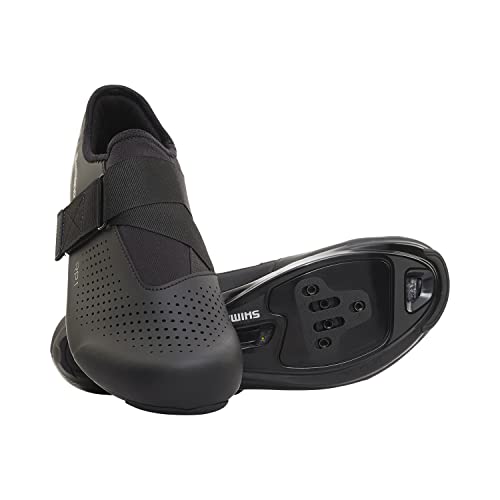
- Best overall: Shimano SH-RP101 High Performing All-Rounder earns this spot because its outsole supports SPD and SPD-SL cleats for more pedal options.
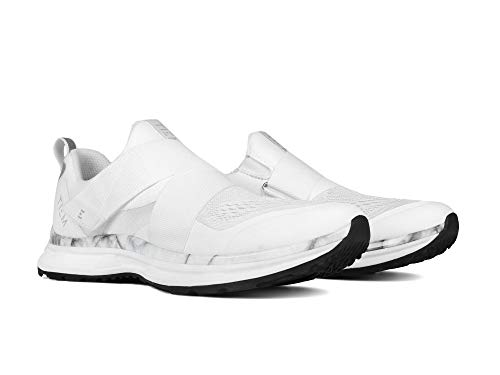
- Best for walking around the studio: TIEM Slipstream – White Marble earns this label because its recessed SPD cleat and rubber outsole make walking easier.
- Best for Peloton Bike owners: Peloton Cycling Shoes for Peloton Bike and Bike earns this label because it includes Delta-compatible cleats and installation tools.
- Best for broad cleat compatibility: Unisex Road Bike Cycling Shoes Compatible earns this label because its cleat area supports Delta, SPD, and SPD-SL systems.

Pros
- Delta-compatible cleats included
- Adjustable ratchet and hook-and-loop straps
- Stiff sole
- Breathable mesh vents
- Cleat installation tools included
Cons
- Narrow-to-normal fit
- Assembly required
- Wider feet may need a larger size
Pros
- Recessed SPD cleat assembly
- Rubber outsole for studio walking
- Breathable mesh and textile upper
- Slip-on, single-strap design
- Durable nylon cycling shank
Cons
- Cleats sold separately
- Not compatible with three-bolt Delta cleats
- Sizing recommendation differs from usual athletic shoe size
Pros
- SPD and SPD-SL cleat compatibility
- Road and indoor cycling use
- Fiberglass-reinforced sole
- Single-strap closure
Cons
- Single strap limits fit adjustment
- No cleats included in product data
- No water-resistance rating listed

Pros
- Delta cleats included
- 9-degree cleat float
- Delta, SPD, and SPD-SL compatibility
- Breathable knit mesh upper
- Adjustable Velcro straps
Cons
- No weight listed
- No size chart details provided
- SPD and SPD-SL cleats not included
Pros
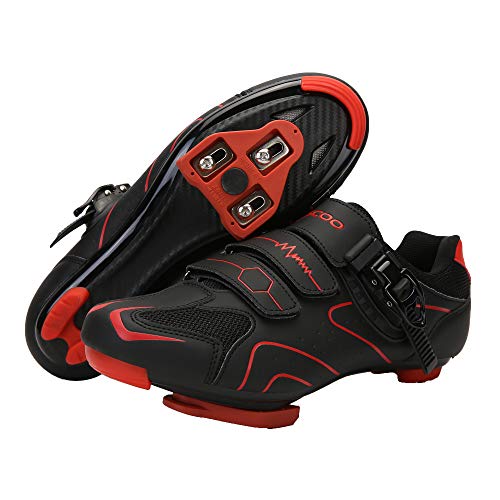
- Delta cleats included
- Cleat installation wrench included
- Breathable mesh inserts
- Nylon outsole
- For indoor and road riding
Cons
- Other pedal systems may need separate cleats
- Sizing guidance recommends sizing up in some cases
Side-by-Side Comparison
| Shoe | Cleat compatibility | Cleats included | Closure | Notable construction |
|---|---|---|---|---|
| TIEM Slipstream – White Marble | SPD, 2-bolt | Not listed | Slip-on, single strap | Recessed cleat, rubber outsole, nylon cycling shank |
| Peloton Cycling Shoes for Peloton Bike and Bike | Delta | Yes | Ratchet clip and hook-and-loop straps | Stiff sole, mesh vents |
| Shimano SH-RP101 High Performing All-Rounder | SPD and SPD-SL | Not listed | Slip-on, single strap | Fiberglass-reinforced sole, synthetic leather and mesh |
| Unisex Road Bike Cycling Shoes Compatible | Delta, SPD, SPD-SL | Yes, Delta cleats | Hook-and-loop straps | Knit mesh upper, carbon nylon outsole |
| Unisex Cycling Shoes Compatible with Peloton | Delta and SPD-SL | Yes, Delta cleats | Not listed | Nylon sole with mesh insert |
Cleat compatibility matters most because an incompatible shoe cannot clip into your bike’s pedals. The TIEM uses 2-bolt SPD cleats, while Peloton includes Delta cleats; Shimano and Kyedoo list broader systems, so confirm the exact pedal requirements.
Common Mistakes to Avoid
Choosing shoes before identifying your pedal system can leave you with a pair that will not clip in. Delta uses a 3-bolt pattern, while SPD uses a 2-bolt pattern; check the bike manual or pedal markings before shopping.
Assuming every shoe includes cleats can also delay your first ride. Peloton, Kyedoo, and KESCOO describe included cleats, while TIEM and Shimano do not list cleats in their package details. Confirm the contents and buy compatible cleats separately when needed.
Relying on your usual shoe size can cause a cramped or loose fit because sizing advice differs by maker. TIEM recommends going half a size down from an athletic shoe, while Peloton advises sizing up for wider feet or when between sizes.
Best Indoor Cycling Shoes Buying Guide
Match Cleats to Your Pedals
Cleat compatibility determines whether an indoor cycling shoe can attach to your bike’s pedals. Delta cleats use a 3-bolt pattern, while SPD cleats use a 2-bolt pattern; SPD-SL is another distinct system, so do not assume that one shoe or cleat fits all three.
Check the bike or pedal maker’s instructions and match that system to the shoe’s listed compatibility. TIEM specifies SPD and excludes Delta, Peloton includes Delta-compatible cleats, and Shimano lists SPD and SPD-SL support. Broad compatibility claims still require a careful check of the exact pedal and cleat combination.
Check Cleat Inclusion and Installation
Cleat inclusion affects what you need before the shoes are ready to use. Peloton, Kyedoo, and KESCOO describe cleats in the package, while TIEM and Shimano do not list them as included. Confirm package contents so you can account for compatible cleats separately when necessary.
Installation tools and instructions also vary, so check what the maker supplies and follow its directions. Peloton lists tools for cleat installation, and KESCOO says a wrench is included. Make sure each cleat matches both the shoe’s mounting pattern and your bike’s pedals before attaching it.
Choose Fit by Foot Shape and Sizing Guidance
A cycling shoe should hold your foot securely while leaving room for your toes to move. Peloton describes its fit as narrow to normal and suggests sizing up for wider feet or when between sizes. TIEM recommends choosing half a size down from your regular athletic shoe.
Use the maker’s size chart and measure your foot when the product guidance recommends it. KESCOO and Kyedoo direct buyers to size information, while their unisex sizing may not map directly to everyday shoes. A familiar size label is not a reliable substitute for each brand’s chart.
Consider Sole Support and Walking Needs
Sole construction affects how the shoe supports your foot on the pedal and how it feels when you walk. Shimano lists a fiberglass-reinforced sole, Peloton describes a stiff sole, and Kyedoo specifies a carbon nylon outsole. The product descriptions do not provide directly comparable stiffness measurements.
Studio riders who walk before or after class may value a recessed cleat and a rubber outsole. TIEM describes both features, while road-style soles can leave cleat hardware less recessed. If you move around the studio often, prioritize walking design without losing sight of pedal compatibility.
Compare Closures and Ventilation
Closures keep a shoe secure and determine how easily you can adjust it during setup. Peloton combines a ratchet clip with hook-and-loop straps, while TIEM and Shimano use single-strap designs. Kyedoo specifies adjustable hook-and-loop straps; KESCOO does not list a closure type.
Mesh appears in upper or ventilation details for several shoes, including Peloton, Shimano, TIEM, Kyedoo, and KESCOO. Compare the maker’s description and product images to understand where the mesh sits. Riders who prioritize quick adjustment or airflow should judge those features alongside fit and cleat setup.
Check Intended Use and Cleat Flexibility
Intended use helps you decide whether a shoe can serve indoor sessions and other rides. Shimano describes the SH-RP101 for road and indoor cycling, with SPD and SPD-SL compatibility. Kyedoo also describes use for indoor cycling, road riding, touring, and spin class.
Do not treat a multi-use description as proof that the shoe fits every bike. Confirm the cleat pattern, pedal system, and fit for each intended setup. Riders who want more guidance on related gear can browse our indoor cycling shoes category and road bike handlebar tape guide.
How We Chose
We score products with the Haiku Ride Score: core performance at 30%, build and weather resistance at 20%, ease of use at 20%, compatibility and battery at 15%, and value at 15%. For indoor cycling shoes, we consider cleat fit, sizing guidance, closures, sole construction, and practical studio use.
Our evaluation compares manufacturer specifications, compatibility information, and long-term owner feedback when available. We research and draft our guides with software tools, including AI, then run automated checks on product fit, sourcing, and our editorial rules. Our editor spot-checks guides rather than reading each one before publication. Our how we review page explains our editorial approach.
Price and Value: What Each Budget Gets You
Budget
At the lower end of this group, KESCOO and Kyedoo include Delta cleats, which can reduce setup steps for riders with compatible pedals. Their descriptions also specify mesh or synthetic uppers and nylon-based soles. Buyers should check sizing carefully and confirm which cleat systems work with their own pedals, rather than assuming included cleats cover every setup.
Mid-Range
Options in the middle of this selection add different combinations of sole support, closure adjustment, and included hardware. Shimano’s SH-RP101 lists SPD and SPD-SL compatibility and a fiberglass-reinforced sole, while Peloton includes Delta cleats and installation tools. Riders give up some flexibility if their own pedal system differs from the shoe’s supported setup.
Premium
At the upper end, TIEM Slipstream emphasizes studio walking comfort with a recessed SPD cleat, rubber outsole, and nylon cycling shank. Its cleats are sold separately, and its SPD-only design does not suit Delta pedals. This tier can make sense for riders who value walkability and know their bike uses compatible SPD pedals.
Choosing Something Else
Regular athletic shoes can suit casual indoor rides when the stationary bike has flat pedals and its maker permits that footwear. They avoid cleat setup and may be convenient for riders who do not want to clip in, but they cannot connect to pedals that require cycling cleats. Confirm your pedal type before choosing this alternative.
Final Thoughts
Riders who want a versatile shoe for indoor and road cycling can consider Shimano SH-RP101 High Performing All-Rounder. Its listed SPD and SPD-SL compatibility and fiberglass-reinforced sole suit riders who want a firmer platform, though cleats are not listed as included.
Peloton Bike owners with Delta pedals can consider Peloton Cycling Shoes for Peloton Bike and Bike, which includes compatible cleats and installation tools. Riders who walk around the studio may prefer TIEM Slipstream – White Marble for its recessed SPD cleat and rubber outsole, with the trade-off that Delta pedals are incompatible.
Riders seeking broad listed cleat options can compare Unisex Road Bike Cycling Shoes Compatible, while Unisex Cycling Shoes Compatible with Peloton includes Delta cleats and a wrench. Skip these shoes if your pedal system is unknown, your size falls outside maker guidance, or you prefer flat pedals and regular footwear.
Before choosing, check the pedal instructions and compare your foot measurements with the shoe maker’s chart. For related commuting gear, see our bike lock guide; cycling shoes solve a different problem, but both purchases benefit from matching features to your routine.
FAQs
Which cleats do indoor cycling shoes use?
Indoor cycling shoes use cleats that must match the bike’s pedals, commonly Delta, SPD, or SPD-SL systems. Delta and SPD use different mounting patterns, and SPD-SL is also distinct. Check your bike manual or pedal markings, then confirm the shoe supports that exact system before ordering cleats or shoes.
Are Best Indoor Cycling Shoes in 2026 compatible with Peloton bikes?
Best Indoor Cycling Shoes in 2026 are compatible with a Peloton bike only when their cleats match its pedals. The Peloton shoe includes Delta-compatible cleats, and Kyedoo and KESCOO also describe Delta compatibility. TIEM Slipstream uses SPD and excludes Delta, so check your bike’s pedal setup before buying.
Do indoor cycling shoes come with cleats?
Some indoor cycling shoes include cleats, but package contents differ by product. Peloton, Kyedoo, and KESCOO describe included cleats, while TIEM and Shimano do not list them as included. Confirm the exact package details and verify that any included or separately purchased cleats match your bike’s pedals.
How should indoor cycling shoes fit?
Indoor cycling shoes should feel secure around your foot while leaving room for toe movement. Sizing guidance varies: TIEM recommends going half a size down from a normal athletic shoe, while Peloton advises sizing up for wider feet or when between sizes. Measure your foot and follow the maker’s chart.
Can I walk in indoor cycling shoes?
Walking comfort depends on cleat placement and outsole design. TIEM Slipstream has a recessed SPD cleat and rubber outsole intended to make walking around a studio easier. Other shoes may have less-recessed cleats, so compare their construction if you expect to walk before or after class.
Can I use regular sneakers for indoor cycling?
Regular sneakers can work on a stationary bike with flat pedals if the bike maker permits that setup. Sneakers will not clip into pedals requiring cycling cleats, and they do not provide a cleated connection. Check your bike’s pedal type and instructions before riding in everyday footwear.
Are Best Indoor Cycling Shoes suitable for road cycling?
Some Best Indoor Cycling Shoes can also suit road cycling, depending on their intended use and cleat compatibility. Shimano describes the SH-RP101 for road and indoor use, with SPD and SPD-SL support. TIEM emphasizes studio walking comfort and SPD cleats. Check your outdoor pedals before using indoor shoes on the road.
How can I identify my bike’s cleat system?
Your bike manual, pedal markings, or manufacturer support can identify its cleat system. Check whether the pedals require Delta, SPD, or SPD-SL cleats, then match that system to the shoe. If the information remains unclear, consult the bike maker before ordering; our indoor training resources cover related equipment choices.


Write Your Review
No reviews yet. Be the first to share your experience!