Young riders learn at different paces, and the right first bike can help them focus on balance, steering, or pedaling. This guide compares 6 children’s bikes, from pedal-free balance bikes to pedal models with training wheels and a convertible design.
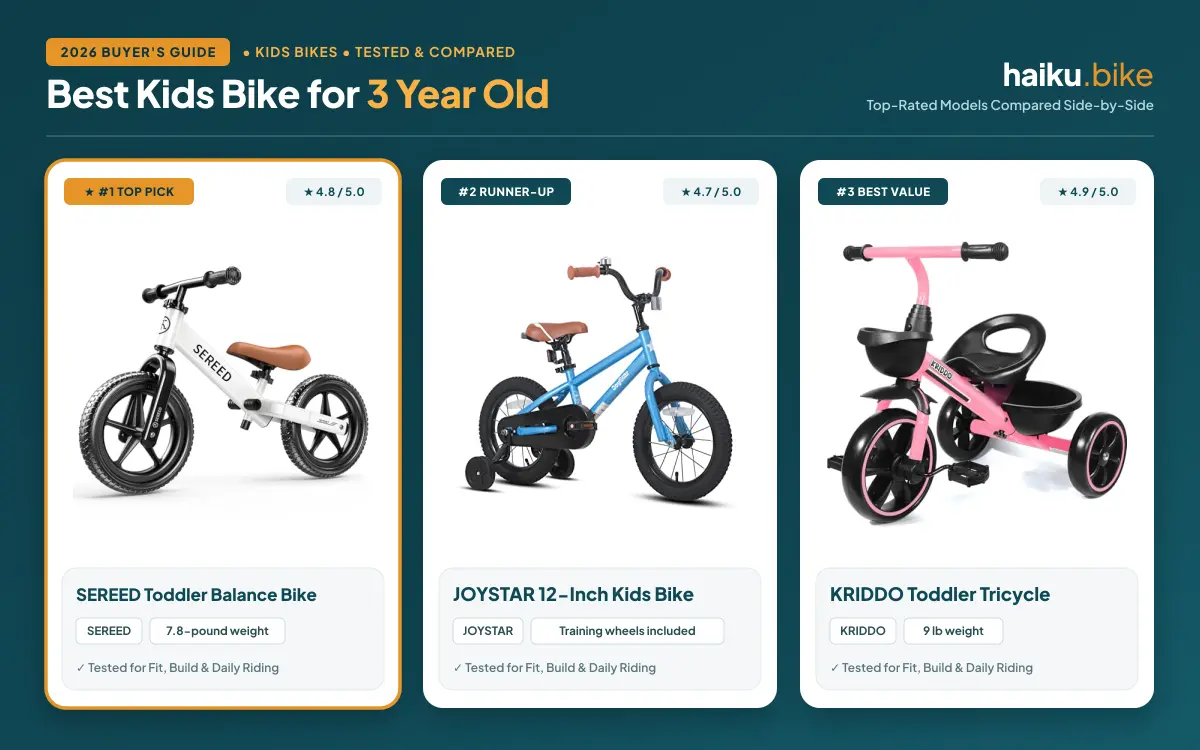
Follow each manufacturer’s assembly and safety instructions, supervise practice, and check local laws before riding. We compared options from Strider, bicystar, Retrospec and more for November 2026; families choosing by age can also explore our guide to kids’ bikes for 3-year-olds.
At a Glance: Which One Fits You
- Best overall: RoyalBaby EZ Kids Bike, 20 Inch Balance Pedal earns this spot because its quick-release design converts between balance-bike and pedal-bike modes.
- Best value: bicystar 14 Inch Balance Bike for Kids 3-5 earns this spot because it combines adjustable fit, inflatable tires, and a listed weight of 8.5 lb.
- Best for toddlers: Strider 12 Sport, No Pedal Balance Bike for Kids earns this spot because its seat adjusts for riders with a 12-to-18-inch inseam.
- Best for learning to brake: Retrospec Koda 16in Kids Bike with Training Wheels earns this spot because it has both a V-brake and a coaster brake.

Pros
- Lightweight 6.7 lb frame
- Adjustable seat and handlebars
- Never-flat foam tires
- Tools included for assembly
Cons
- Foam tires, not air-filled
- Maximum rider weight of 60 lb
- Fit limited to 12 to 18-inch inseams

Pros
- 12-inch air tires
- Tool-free adjustable seat
- Frame grip tape foot rest
- 7.94 lb listed weight
- Pedal-free learning design
Cons
- No brake details listed
- No safety certification listed
- Who should skip it: Families needing listed brake specifications

Pros
- Inflatable rubber tires
- 8.5-pound listed weight
- Adjustable seat and handlebar
- Coasting footrest
- Tools included
Cons
- Brake details not provided
- Air tires require inflation
- Blue color only listed

Pros
- Removable training wheels
- Tool-free seat adjustment
- Low-step frame
- Seat handle for parent guidance
- Kid-sized grips and pedals
Cons
- No hand brake listed
- 20.5 lb overall weight
- Rider height range: 42 to 48 inches

Pros
- Removable training wheels
- Adjustable 18.5 to 23-inch seat
- V-brake and coaster brake
- Built-in saddle handle
- Bell and reflectors included
Cons
- No safety certification listed
- Who should skip it: Riders outside the stated ages 4 to 6
Pros
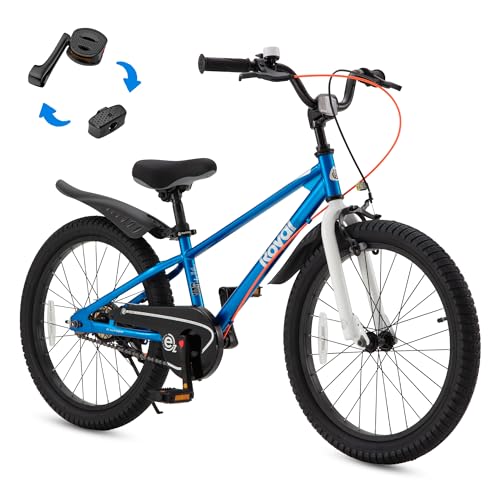
- Balance and pedal modes
- Adjustable seat and handlebar
- 98% pre-assembled
- Dual handbrakes
- CPSC and EN-71 compliance stated by maker
Cons
- 25.1 lb listed weight
- 20-inch size may not fit every child
- Who should skip it: riders needing a lighter bike
Side-by-Side Comparison
| Bike | Learning format | Fit details | Stopping or stability | Weight or capacity |
|---|---|---|---|---|
| Strider 12 Sport, No Pedal Balance Bike for Kids | Balance bike | Seat 11 to 17 in.; inseam 12 to 18 in. | Safety pad; no brake listed | 6.7 lb; 60 lb maximum rider weight |
| Radio Flyer Air Ride Balance Bike | Balance bike | Tool-free adjustable seat; range not listed | Grip tape footrest; no brake listed | Not listed |
| bicystar 14 Inch Balance Bike for Kids 3-5 | Balance bike | Seat 13 to 21 in.; handlebar 21.6 to 24 in. | Coasting footrest; no brake listed | 8.5 lb; supports 110 lb |
| Schwinn Koen 16-Inch Bike for Kids Ages 5-7 | Pedal bike with training wheels | Rider height 42 to 48 in.; adjustable seatpost | Rear coaster brake; training wheels | Not listed |
| Retrospec Koda 16in Kids Bike with Training Wheels | Pedal bike with training wheels | Seat 18.5 to 23 in.; ages 4 to 6 | V-brake and coaster brake; removable training wheels | 18.5 lb |
| RoyalBaby EZ Kids Bike, 20 Inch Balance Pedal | Convertible balance and pedal bike | Adjustable saddle and handlebar; range not listed | Converts between modes; brake details not listed | Frame described as 20% lighter than average; weight not listed |
Learning format and stopping controls matter most because they determine which skills a child must coordinate. Balance bikes let riders push and glide without pedals, while pedal bikes add braking and pedaling; the Retrospec lists two brake types, but balance-bike brake details are not listed for these options.
Common Mistakes to Avoid
Choosing by age alone can result in a bike that feels too large or too small. Compare your child’s inseam and height with the manufacturer’s fit guidance, and check whether the seat and handlebar adjust to a comfortable position.
Assuming all balance bikes have the same tires can lead to an unexpected maintenance routine. The Strider uses foam rubber tires, while the Radio Flyer and bicystar use rubber air tires; pneumatic tires need inflation, so consider where you will ride and maintain the bike.
Buying a pedal bike before a child is ready to coordinate pedaling, steering, and stopping can make early practice more complicated. Balance bikes separate those skills, while the Schwinn and Retrospec add pedals and training wheels; the RoyalBaby changes between balance and pedal modes.
Overlooking brake operation can leave a beginner unsure how to stop. The Schwinn has a rear coaster brake, and the Retrospec lists a coaster brake plus a V-brake; review the exact bike’s instructions and make sure the child understands its controls.
Best Kids Bike for Learning to Ride: Buying Guide
Fit the Bike to the Rider
Rider fit matters because a child needs to reach the ground and controls comfortably to manage a new bike. Compare the child’s inseam and height with the maker’s stated range, then check that the seat and handlebars can be set for the rider’s current size.
The Strider lists an 11-to-17-inch seat range and a 12-to-18-inch inseam range, while bicystar lists a 13-to-21-inch seat range. The Schwinn gives a rider-height range of 42 to 48 inches; these different measurements are not interchangeable, so use the guidance for the exact model.
Before buying, check whether the child can sit in a balanced position and reach the handlebars without stretching. Adjustable parts help accommodate growth, but they do not make an incorrectly sized frame a suitable fit; consult the manufacturer’s guidance or a local bike shop if sizing remains unclear.
Choose a Learning Format
A balance bike lets a child practice steering and balance without coordinating pedals. The rider pushes along with their feet and can glide as confidence develops, making this format useful when balancing is the main skill to learn.
A pedal bike asks a beginner to coordinate pedaling with steering and stopping, while training wheels add stability during early practice. The Schwinn and Retrospec use training wheels, and the RoyalBaby converts between balance and pedal modes, giving families a way to change formats.
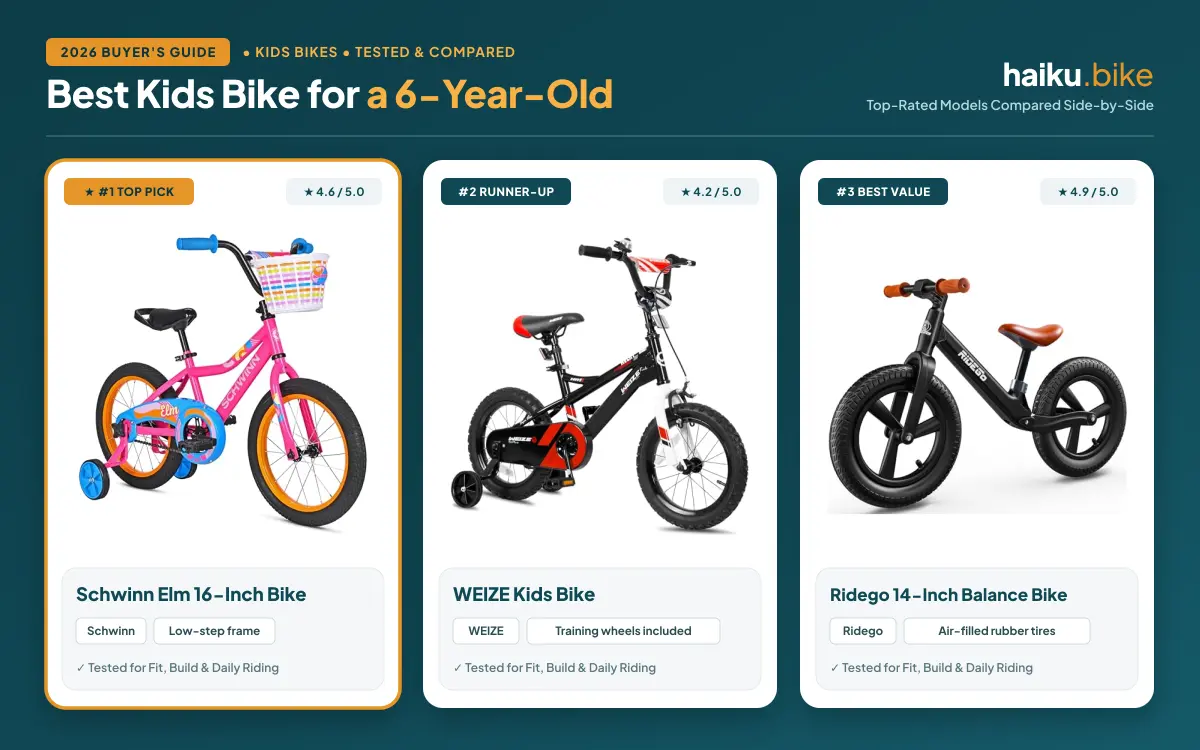
Consider what your child already manages on a ride-on toy or balance bike instead of treating age as a measure of readiness. For more age-specific comparisons, see our kids’ bike guide for 6-year-olds; a child’s confidence and fit still matter more than a general age label.
Understand Brakes and Training Wheels
Brake design determines how a child slows down and what hand or foot movement the rider must learn. A coaster brake engages when the rider pedals backward, while a V-brake uses a hand lever; children need practice with the controls fitted to their bike.
The Retrospec lists both a V-brake and a coaster brake, while the Schwinn lists a rear coaster brake. The balance-bike product descriptions do not list brake systems, so check the exact product instructions and confirm how the bike is intended to stop before the first ride.
Training wheels can provide added stability while a child learns to pedal, but they do not replace supervision or practice controlling direction and speed. The Schwinn and Retrospec list removable training wheels; follow their maker’s instructions when changing the setup and choose a clear practice area.
Compare Tires and Upkeep
Tire construction affects maintenance and how the bike rolls over surfaces. Foam tires do not need inflation, while air tires require pressure checks; match the convenience and ride surface to the family’s routine rather than assuming one tire type suits every child.
The Strider lists never-flat foam rubber tires. The Radio Flyer Air Ride and bicystar list rubber air tires, with bicystar describing them as suitable for outdoor gravel and indoor use; check each maker’s care instructions for the particular tire.
Inspect tires and other bike parts before rides, and follow the manufacturer’s maintenance guidance. A bike used on mixed surfaces may benefit from the traction described by its maker, but riders should still choose a suitable route and supervise children learning to control speed.
Consider Weight and Adjustability
Bike weight affects how easily a child can steer and how much effort a caregiver may need when carrying it. Strider lists a weight of 6.7 lb, bicystar lists 8.5 lb, and Retrospec lists 18.5 lb; the other product weights are not listed.
Adjustability also varies: Radio Flyer describes a tool-free adjustable seat, bicystar lists seat and handlebar ranges, and RoyalBaby lists an adjustable saddle and handlebar. Check which parts adjust and whether the instructions require tools, since a feature label alone does not show whether a bike fits your child.
Families comparing different rider ages can browse the Kids Bikes category for related guidance. Recheck fit as a child grows and before rides, using the maker’s adjustment instructions rather than raising a seat beyond its stated range.
Review Assembly and Safety Details
Correct assembly helps ensure the bike is set up as its maker intended. Strider includes assembly tools, RoyalBaby describes its bike as 98% pre-assembled, and Schwinn describes one-tool assembly; follow the specific instructions and confirm all parts are secured before riding.
Children’s bicycles are subject to US bicycle safety requirements, including applicable CPSC rules. Check the exact product listing and manufacturer information for safety and compliance details, since these product descriptions do not establish certification for every bike in this guide.
Choose a level, open practice area away from traffic, and supervise the child while they learn steering and stopping. A properly fitted helmet and age-appropriate protective gear add important safeguards; follow the helmet maker’s fit instructions and relevant US requirements.
How We Chose
We assess children’s bikes with the Haiku Ride Score: core performance 30%, build and weather resistance 20%, ease of use 20%, compatibility and battery 15%, and value 15%. For this category, fit information, learning format, controls, adjustability, tires, and assembly details shape our comparison.
Our evaluation draws on manufacturer specifications, compatibility information, and long-term owner feedback where available. We research and draft our guides with software tools, including AI, then run automated checks on product fit, sourcing, and our editorial rules. Our editor spot-checks guides rather than reading each one before publication. Our how we review page explains the method.
Price and Value: What Each Budget Gets You
Budget
At the budget end, families can find a straightforward balance bike focused on steering and balance practice. The bicystar combines adjustable seat and handlebar positions with air tires and a listed 8.5 lb weight. Buyers give up pedals and a listed brake system, so this format suits children who can push and glide under supervision, not riders who need a conventional pedal bike.
Mid-Range
Mid-range options can add a more developed fit or a pedal-bike setup with beginner features. The Retrospec includes removable training wheels, a V-brake, a coaster brake, and a seat that adjusts from 18.5 to 23 inches. Its listed 18.5 lb weight is a trade-off for families prioritizing those features; compare size and handling against the intended rider.
Premium
At the upper end, buyers may find a convertible design or additional construction and support details. RoyalBaby’s EZ changes between balance and pedal modes with a tool-less quick-release design, while Strider lists an 8-year frame warranty, 2-year tire warranty, and 1-year parts warranty. A more feature-rich bike may still be a poor match if its fit or controls do not suit the child.
Choosing Something Else
A child who is not ready to manage a bicycle may be better served by waiting rather than buying a bike prematurely. Families can focus on supervised outdoor play and revisit bicycle fit and readiness later. This option avoids forcing a learning stage, but it does not replace age-appropriate equipment, active supervision, or following product safety instructions.
Final Thoughts
For a family that wants one bike to support more than one learning stage, the RoyalBaby EZ Kids Bike, 20 Inch Balance Pedal converts between balance and pedal modes. Its adjustable saddle and handlebar add fit flexibility, but brake details and adjustment ranges are not listed, so check those points before choosing it.
The Strider 12 Sport, No Pedal Balance Bike for Kids suits younger riders who need to focus on balance, with a listed 6.7 lb weight and fit guidance for a 12-to-18-inch inseam. Families wanting air tires can consider the bicystar 14 Inch Balance Bike for Kids 3-5, though air tires require inflation.
For a child ready to pedal, the Retrospec Koda 16in Kids Bike with Training Wheels lists both a V-brake and coaster brake, while the Schwinn Koen 16-Inch Bike for Kids Ages 5-7 offers training wheels and a stated rider-height range. The Radio Flyer Air Ride Balance Bike is another pedal-free option with air tires and a tool-free adjustable seat.
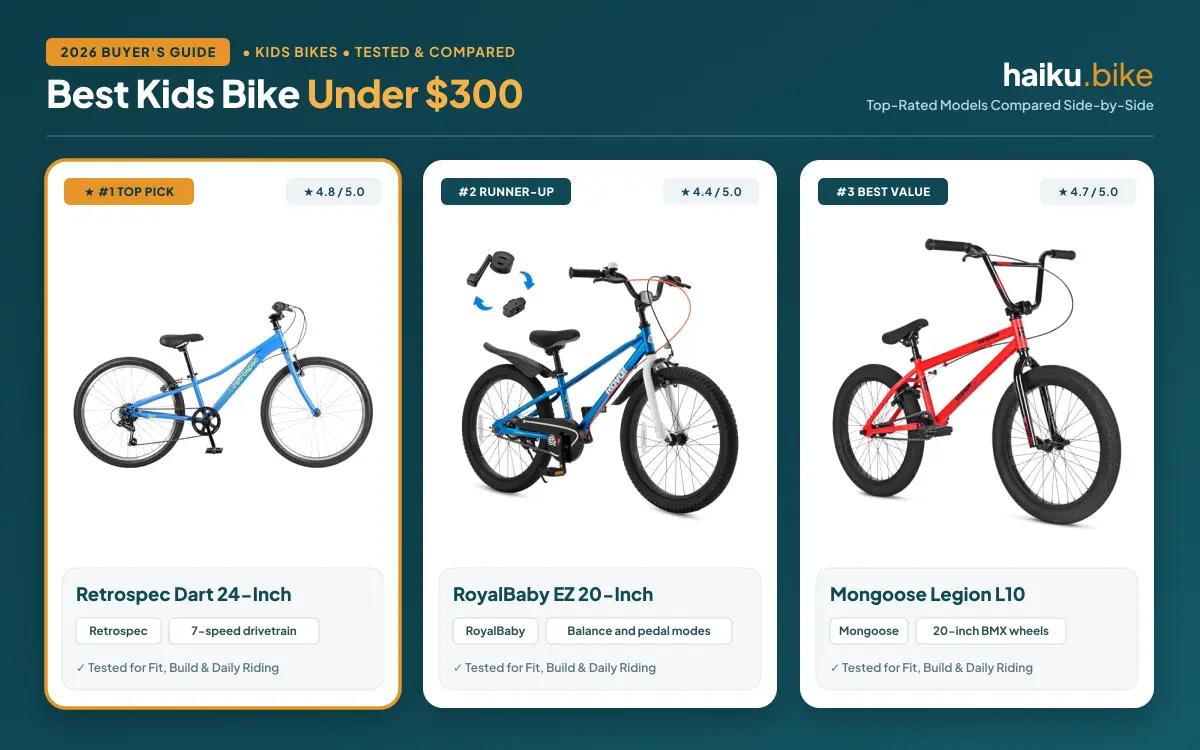
Skip these bikes if none fits your child or if the rider is not ready to manage its controls. Do not try to make an unsuitable size work; compare the maker’s fit guidance or browse our guide to kids’ bikes under $300 for additional options.
FAQs
Which of the Best Kids Bike for Learning to Ride options suits a toddler?
A balance bike suits a toddler who is ready to practice steering and balance without pedals. The Strider 12 Sport lists a seat range of 11 to 17 inches and fits a 12-to-18-inch inseam. Check your child’s measurements against the maker’s guidance, because age alone cannot establish a comfortable, suitable fit.
How should I choose the right size kids’ bike?
The right kids’ bike size depends on rider measurements and the ability to reach controls comfortably. Schwinn lists a rider-height range of 42 to 48 inches for the Koen, while Strider and bicystar provide seat or inseam measurements. Compare the exact model’s guidance with your child, then check fit after assembly.
Is a balance bike or a bike with training wheels better?
A balance bike lets a child focus on steering and balance without pedals, while training wheels add stability to a pedal bike. The better format depends on the skills a child is ready to practice. The Strider is pedal-free; Schwinn and Retrospec offer pedal bikes with training wheels.
How do the brakes work on kids’ bikes in this guide?
Brake operation depends on the bike: a coaster brake engages when a rider pedals backward, while a V-brake uses a hand lever. Schwinn lists a rear coaster brake, and Retrospec lists both brake types. Review the maker’s instructions and supervise practice so a child can learn the fitted controls.
When should training wheels come off?
Training wheels can come off when a child is ready to practice balancing on two wheels, but readiness varies. Schwinn and Retrospec describe removable training wheels. Follow the manufacturer’s setup instructions, stay close during practice, and choose a clear area where the child can work on steering and stopping.
Are kids’ balance bike tires air-filled?
Some balance bikes use air tires and others use foam tires. Radio Flyer Air Ride and bicystar list rubber air tires, while Strider lists never-flat foam rubber tires. Air tires require inflation checks, whereas foam tires do not need air; consult the maker’s care instructions for the selected bike.
What should I check before a child rides a new bike?
Before a child rides a new bike, follow the assembly instructions, confirm fit, and explain how the bike stops. Check that the components are secure and that the child can reach the controls. Choose a supervised practice area away from traffic, and review the manufacturer’s safety information and local requirements.
Where can I find more guidance on kids’ bikes?
Haiku Bike’s Kids Bikes category collects guidance on children’s bicycles. Use those articles alongside the maker’s fit and assembly instructions when comparing another model. Rider ranges and features differ, so confirm details for the exact bike and check that it suits the child who will ride it.
Write Your Review
No reviews yet. Be the first to share your experience!