

Road riders who pace intervals by power need a meter that sends usable data to a computer or phone and fits their pedals. Pedal-based systems can simplify transfers between compatible bikes, but sensing, cleat fit, and charging differ.
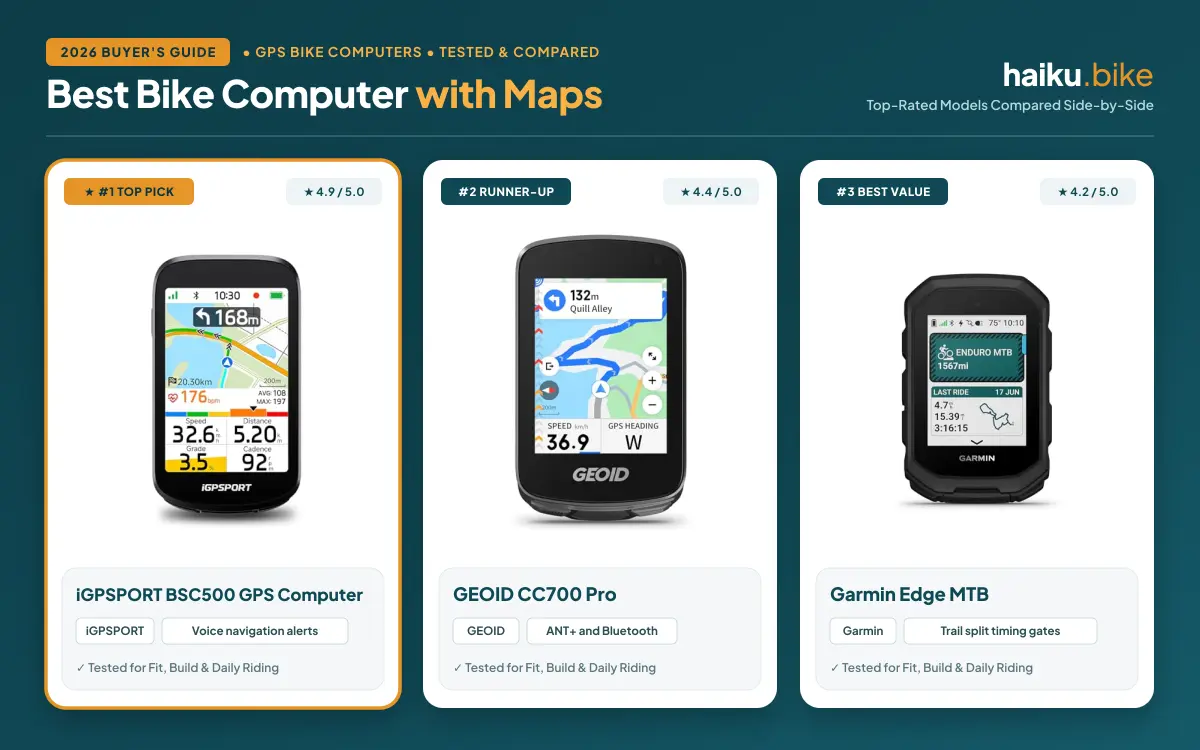
We compare 5 pedal power meters for November 2026, including models from FAVERO, Magene, RiseUP. Check your shoes and head unit before ordering, follow the manufacturer’s instructions and local laws, and see our Bike Computers & GPS category for compatible display options.
At a Glance: Which One Fits You
- Best overall: Favero Assioma PRO RS-1 Single-Sensing Pedal Based combines left-side sensing, SPD-SL compatibility, Bluetooth and ANT+, and at least 160 hours of stated use per charge.
- Best value: Favero Assioma Uno Power Meter Pedal offers left-side power measurement, cadence sensing, a gyroscope, and IAV training metrics.
- Best for dual-sided measurement: Favero Assioma PRO RS-2 Dual-Sensing Pedal Based measures both sides and lists at least 160 hours per charge.
- Best for long stated runtime: Magene P715 S Power Meter Pedals – ±1% Precision lists 120 hours of battery life, Bluetooth and ANT+, and an IPX7 rating.

Pros
- At least 160 hours per charge
- ANT+ and Bluetooth connectivity
- Installation needs no special tools
- ±1% stated accuracy
- Includes SPD-SL-compatible cleats
Cons
- Power sensing on left pedal only
- No independent right-leg power reading
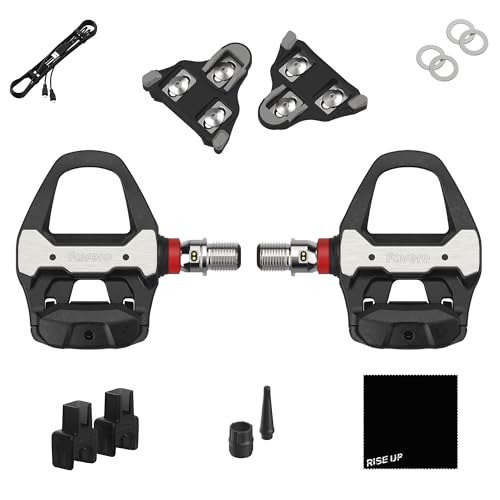
Pros
- Dual-sensing power measurement
- Stated ±1% accuracy
- At least 160 hours per charge
- ANT+ and Bluetooth connectivity
- Tool-free transfer between bikes
Cons
- Requires SPD-SL cleats
- No water-resistance rating listed

Pros
- Maker-rated ±1% power accuracy
- Up to 120-hour battery life
- ANT+ and Bluetooth
- IPX7 water resistance
- 157 g per pedal
Cons
- No app compatibility details provided
- Charging port type not specified
- Crank compatibility details not provided

Pros
- ANT+ and Bluetooth connectivity
- Built-in cadence sensor
- IAV Power Phase metric
- IAV Rider Position metric
- ±1% angular velocity accuracy
Cons
- Measures power from left pedal only
- Road cycling pedal

Pros
- Dual-sided power measurement
- ±1% rated accuracy
- Up to 50-hour battery life
- Bluetooth and ANT+
- Built-in cadence sensor
Cons
- Road-focused design
- Cleat compatibility not specified
- Charging connector not specified
Side-by-Side Comparison
| Product | Sensing | Stated accuracy | Battery life | Connectivity | Pedal or cleat compatibility |
|---|---|---|---|---|---|
| Favero Assioma PRO RS-1 Single-Sensing Pedal Based | Left pedal | ±1% | At least 160 hours | Bluetooth, ANT+ | SPD-SL |
| Magene P715 S Power Meter Pedals – ±1% Precision | Not listed | ±1% | 120 hours | Bluetooth, ANT+ | Not listed |
| Favero Assioma Uno Power Meter Pedal | Left pedal | ±1% | Not listed | Bluetooth, ANT+ | Not listed |
| Favero Assioma PRO RS-2 Dual-Sensing Pedal Based | Dual-sided | ±1% | At least 160 hours | Bluetooth, ANT+ | SPD-SL |
| Favero Assioma Duo Power Meter Pedal | Dual-sided | ±1% | 50 hours | Bluetooth, ANT+ | Not listed |
Sensing arrangement and cleat fit matter most when choosing among these pedals. Riders who want separate left- and right-side readings can consider the dual-sided Favero models, while SPD-SL users have explicit compatibility details for the PRO RS pedals.
Common Mistakes to Avoid
Bluetooth and ANT+ support do not guarantee that every computer will pair with a power meter or display every metric. Check the head unit’s sensor protocols and supported power fields before buying, especially if your training depends on a particular data view.
Cleat systems can also create a mismatch. Favero Assioma PRO RS-1 Single-Sensing Pedal Based and Favero Assioma PRO RS-2 Dual-Sensing Pedal Based specify SPD-SL compatibility, but the other models do not list cleat compatibility here. Confirm the exact model’s pedal and cleat fit against your shoes.
Do not assume every pedal meter measures both legs or has the same runtime. Favero Assioma PRO RS-1 Single-Sensing Pedal Based measures at the left pedal, while Favero Assioma PRO RS-2 Dual-Sensing Pedal Based measures both sides. Magene lists 120 hours for its P715 S; the Favero models give different or unlisted battery details.
Product names alone do not confirm charging equipment or compatibility. Review the exact model’s installation and charging directions, and check the listing for any unclear pedal-fit details. This matters particularly for Magene P715 S Power Meter Pedals – ±1% Precision, whose pedal compatibility is not listed.
Best Power Meter Buying Guide
Choose Single-Sided or Dual-Sided Measurement
Sensing arrangement determines whether a pedal meter reports power from one side or both, which changes the detail available for training analysis. A single-sided meter can suit riders who mainly need a power figure for pacing, while dual-sided sensing reports each leg separately.
Favero Assioma PRO RS-1 Single-Sensing Pedal Based and Favero Assioma Uno Power Meter Pedal identify left-pedal sensing. Favero Assioma PRO RS-2 Dual-Sensing Pedal Based and Favero Assioma Duo Power Meter Pedal are dual-sided. Magene does not list its sensing arrangement, so confirm it if you want leg-specific data.
Verify Pedal and Cleat Fit
Pedal and cleat compatibility determines whether a meter works with your shoes and riding setup. The PRO RS models specify SPD-SL compatibility and include Shimano-compatible SPD-SL cleats, while the other products do not list a cleat system in the available specifications.
Before ordering, compare the exact model’s stated system with your current shoes and cleats. Do not infer fit from a brand or product family name. If you are changing pedal systems, account for the shoes or cleats you will need, and review the manufacturer’s installation guidance.
Match Connectivity to Your Head Unit
Bluetooth and ANT+ allow compatible power meters to send data to a cycling computer or phone. All five products list both protocols, but your receiving device must support the connection and power-meter sensor type you plan to use.
Check the computer’s sensor specifications and confirm that it displays the fields you need. Pairing does not guarantee that an app will show every advanced metric. Riders comparing display devices can review our GPS Bike Computers category before deciding how to build a sensor setup.
Compare Accuracy and Training Metrics
Stated accuracy describes the manufacturer’s measurement claim, but it does not settle every buying decision. Each product in this guide lists ±1% accuracy, so the published figure does not distinguish these choices by itself.
Favero Assioma Uno Power Meter Pedal lists IAV Power Phase and IAV Rider Position metrics, plus an inbuilt cadence sensor and gyroscope. The PRO RS models describe IAV power calculation and a gyroscope, while Magene lists seven advanced training functions. Check whether your computer or app can display useful fields.
Set Battery Life Against Your Riding
Published battery life helps you estimate how often a rechargeable meter may need charging. Favero lists at least 160 hours for both PRO RS models, Magene lists 120 hours for the P715 S, and Favero Assioma Duo Power Meter Pedal lists 50 hours.
Favero Assioma Uno Power Meter Pedal does not list a runtime, so check the manufacturer’s current guidance if charging frequency is a deciding factor. Treat stated durations as product specifications rather than a guarantee for every riding routine. Review charging equipment and instructions before choosing.
Review Installation and Weather Details
Installation and weather information can affect whether a pedal meter suits your bikes and riding conditions. Favero says the PRO RS pedals install like normal pedals and move between bikes without special tools. Magene describes one-minute installation and switching between bikes.
Magene P715 S Power Meter Pedals – ±1% Precision lists an IPX7 waterproof rating, but that rating should not be assumed for other models. The PRO RS pedals use a modular design with compatible road and mountain bike pedal bodies. Check each maker’s directions for compatible parts and care.
How We Chose
We compare these power meters with the Haiku Ride Score: core performance 30%, build and weather resistance 20%, ease of use 20%, compatibility and fit 15%, and value 15%. For pedal meters, compatibility and fit covers published pedal and cleat information, sensor connections, charging, and battery life.
We evaluate manufacturer specifications, compatibility details, and long-term owner feedback where available. We research and draft our guides with software tools, including AI, then run automated checks on product fit, sourcing, and our editorial rules. Our editor spot-checks guides rather than reading each one before publication. Our how we review page explains the scoring method and editorial approach.
Price and Value: What Each Budget Gets You
Budget
At the entry end of this group, riders can get single-sided measurement, Bluetooth and ANT+ connectivity, and published ±1% accuracy. Favero Assioma Uno Power Meter Pedal offers those core functions and lists cadence sensing and a gyroscope. The trade-off is that its battery life and cleat compatibility are not listed, so buyers should verify those details before choosing.
Mid-Range
Mid-range pedal meters can add longer stated battery life, clearer fit details, or dual-sided measurement, depending on the model. Favero Assioma PRO RS-1 Single-Sensing Pedal Based lists at least 160 hours and SPD-SL compatibility, while Magene P715 S Power Meter Pedals – ±1% Precision lists 120 hours and an IPX7 rating. Riders give up some certainty where pedal fit or sensing details are not published.
Premium
At the upper end of this group, dual-sided measurement provides separate readings from both legs. Favero Assioma PRO RS-2 Dual-Sensing Pedal Based pairs that arrangement with at least 160 hours of stated battery life and specified SPD-SL compatibility. Riders who only need one power figure may not benefit enough from separate readings to justify prioritizing dual-sided measurement.
Choosing Something Else
Riders who do not use power data can track speed and routes with a cycling computer, or guide effort by perceived exertion. A heart-rate monitor can add another training signal if the computer supports it. These alternatives suit casual riders or those not following power-based intervals, but they do not provide direct power measurements.
Final Thoughts
Road riders who want left-side power measurement, explicit SPD-SL fit, and long stated battery life should consider Favero Assioma PRO RS-1 Single-Sensing Pedal Based. Its listed runtime is at least 160 hours, and it supports Bluetooth and ANT+. The trade-off is single-sided sensing, so riders seeking separate leg readings should choose a dual-sided model.
Riders who want dual-sided data can compare Favero Assioma PRO RS-2 Dual-Sensing Pedal Based and Favero Assioma Duo Power Meter Pedal. The PRO RS-2 lists at least 160 hours and SPD-SL compatibility; the Duo lists 50 hours, while its cleat system is not specified here.
Riders who value a stated 120-hour runtime and IPX7 rating can compare Magene P715 S Power Meter Pedals – ±1% Precision. Favero Assioma Uno Power Meter Pedal adds cadence sensing and IAV metrics, but its runtime and cleat compatibility are not listed. Check those points against your setup before choosing.
Skip pedal power meters if you will not use power data or if the pedal systems do not suit your shoes. Riders choosing a head unit first can browse our Bike Computers & GPS category and confirm sensor support before adding a meter.
FAQs
Which pedal power meters measure both sides?
Favero Assioma PRO RS-2 Dual-Sensing Pedal Based and Favero Assioma Duo Power Meter Pedal are described as measuring power on both sides. Dual-sided measurement gives separate left- and right-side readings for riders reviewing leg balance. Check your cycling computer’s supported fields before buying, because a successful connection does not ensure every metric appears.
Will these power meters connect to my bike computer?
All five power meters list Bluetooth and ANT+ connectivity, but your bike computer must support the protocol and power-meter sensor type. Check the computer’s sensor specifications and confirm that it can display the metrics you need. Riders comparing compatible head units can browse our Bike Computers & GPS category.
How do I check pedal and cleat compatibility?
Check the exact power meter’s stated pedal and cleat system against your shoes before ordering. The Favero Assioma PRO RS-1 and PRO RS-2 specify SPD-SL compatibility and include compatible cleats. Other models in this guide do not list a cleat system, so consult the manufacturer or product listing rather than assuming fit.
How long do pedal power meter batteries last?
Published runtimes vary by pedal power meter. Favero lists at least 160 hours for both PRO RS models, Magene lists 120 hours for the P715 S, and Favero Assioma Duo Power Meter Pedal lists 50 hours. Favero Assioma Uno Power Meter Pedal has no runtime listed here, so check its current manufacturer guidance.
Can pedal power meters handle wet weather?
Magene P715 S Power Meter Pedals – ±1% Precision lists an IPX7 waterproof rating. The other products do not list a weather rating in the specifications summarized here, so do not apply Magene’s rating to them. Follow each manufacturer’s cleaning and care instructions, and confirm the exact model’s published guidance.
Can I move a pedal power meter between bikes?
Favero says its PRO RS pedals can move between bikes like normal pedals without special tools, and Magene describes switching its P715 S between bikes. Before transferring any pedal meter, confirm that both bikes accept the pedals and that your shoes and cleats remain compatible. Follow the manufacturer’s installation directions after each move.
What maintenance does a pedal power meter need?
Pedal power meter maintenance follows the manufacturer’s directions for cleaning, charging, installation, and any specified calibration procedure. Keep charging parts and pedal components in the condition described by the maker, and include the pedals in routine bicycle inspections. Check the exact model’s instructions because care guidance may differ across systems.


Write Your Review
No reviews yet. Be the first to share your experience!