

Cold wind can make exposed ears, cheeks, and neck uncomfortable on winter commutes, while a thick face covering can feel stuffy when effort rises. A cycling balaclava adds coverage under a helmet, and the right fabric and face opening help match it to the weather.
Our guide compares 10 options from GripGrab, Tough Headwear, Sireck, and other brands for November 2026. Riders who also need hand protection can compare our cycling gloves guide; follow manufacturer instructions and local laws when riding.
At a Glance: Which One Fits You
- Best overall: GripGrab Thermal Winter Cycling Balaclava earns this spot because its breathable fleece, mouth openings, and flat seams are designed for comfortable under-helmet winter use.
- Best value: ROCKBROS Cold Weather Balaclava Ski Mask for Men earns this spot because its thermal fleece lining and stretchy fit cover head, face, and neck.
- Best for heavy cold: Hpadmc Winter Balaclava Face Mask earns this spot because its two-layer polar fleece construction prioritizes insulation and wind protection.
- Best for warm-weather coverage: 2THESTARS Cooling Balaclava UPF 50+ Breathable earns this spot because its quick-dry stretch fabric and perforated mouth-and-nose panel suit warmer conditions.

Pros
- Fleece-lined interior
- Extended face and neck coverage
- Close-fitting helmet layer
- One-piece pull-on design
Cons
- One size only
- Black color only
- Who should skip it: riders needing adjustable sizing

Pros
- Earbud and braid channels
- Stretch polyester-spandex fabric
- Flocked inner surface
- Multiple ways to wear
- Helmet-compatible design
Cons
- No stated water-resistance rating
- No safety certification listed
- Who should skip it: riders seeking certified protective gear

Pros
- Thermal fleece lining
- Windproof design
- Stretch material
- Bike helmet compatibility
- Face and neck coverage
Cons
- One size only
- No fabric blend details listed
- Who should skip it: Riders needing detailed sizing information

Pros
- Coverage for neck and full face
- Breathable insulating fleece
- Mouth openings for easier breathing
- Flat seams
- Works with glasses
Cons
- Only Large size listed
- No stated temperature rating
- Who should skip it: riders needing another size

Pros
- Five masks in assorted colors
- Covers head, face, ears, and neck
- Fits under various helmets
- Machine washable
- Multiple wearing styles
Cons
- One size only
- Fabric details not listed
- Who should skip it: riders needing verified summer cooling

Pros
- Fleece lining
- Breathable mesh paneling
- Extended neck coverage
- Multiple ways to wear
- Designed to fit under helmets
Cons
- One size only
- No stated temperature rating
- Skip if you need multiple size options

Pros
- Two-layer fleece construction
- Adjustable face coverage
- Covers head, face, neck, and ears
- Can be worn as a neck warmer
Cons
- One size only
- No stated breathability details
- Who should skip it: riders seeking lightweight coverage

Pros
- Thermal fleece lining
- Extended neck coverage
- Vented nose and mouth fabric
- Six ways to wear
Cons
- Stated fit limited to 20.1 to 20.9 inches
- No water-resistance rating listed
- Who should skip it: riders needing confirmed water resistance
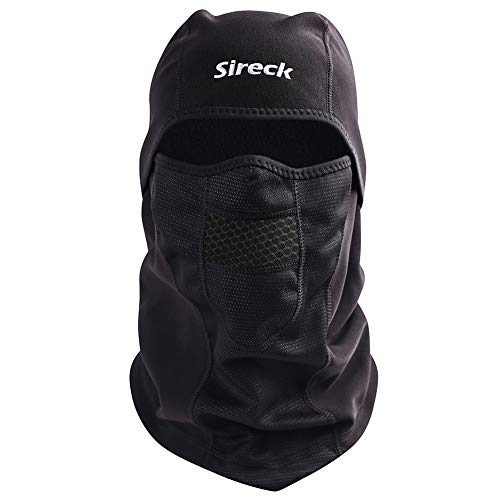
Pros
- Windproof fleece fabric
- Breathable nose and mouth mesh
- Designed for helmet layering
- Stretch fit for most heads
Cons
- Not fully waterproof
- One size only
- Who should skip it: riders needing sustained rain protection

Pros
- Breathable nose and mouth panel
- Quick-dry fabric
- Lightweight at approximately 1.4 oz
- Covers scalp, face, ears, and neck
Cons
- One size only
- Who should skip it: Riders needing adjustable sizing
Side-by-Side Comparison
| Product | Material or construction | Face ventilation | Coverage or fit detail | Weather notes |
|---|---|---|---|---|
| ROCKBROS Windproof Thermal Balaclava Ski Mask | Fleece-lined | Not listed | Head, face, and extended neck | Cold and wind coverage |
| ILM Adult Motorcycle Balaclava Face Mask for Ski | 94% polyester, 6% spandex | Not listed | Ear tunnel for earbuds or braids | Flocking interior; wind and rain protection claimed |
| ROCKBROS Cold Weather Balaclava Ski Mask for Men | Thermal fleece inside | Breathable material | Elastic fit; helmet compatible | Cold, wind, dust, and UV coverage claimed |
| GripGrab Thermal Winter Cycling Balaclava | Breathable insulating fleece | Mouth openings | Flat seams; designed under a bike helmet | Wind, moisture, and cold coverage |
| ROXUN Balaclava Ski Mask | Not listed | Not listed | Multiple wearing styles; fits under helmets | Thermal and wind protection claimed |
| Balaclava Ski Mask – Winter Face Mask for Men | Fleece lining; four-way stretch | Breathable mesh paneling | Extended neck; flexible hinge | Cold, wind, rain, and snow coverage claimed |
| Hpadmc Winter Balaclava Face Mask | Two-layer polar fleece | Not listed | Spring buckle; adjustable face coverage | Wind and cold protection |
| Lamicall Ski Mask Thermal Motorcycle Windproof | Thermal fleece lining | Venting fabric at mouth and nose | Extended neck; listed head circumference 20.1 to 20.9 inches | Cold and wind protection |
| Sireck Cold Weather Balaclava Ski Mask | Water-resistant, windproof fleece | Mesh at nose and mouth | Helmet-compatible; stretch fit | Light rain only; not fully waterproof |
| 2THESTARS Cooling Balaclava UPF 50+ Breathable | 85% polyamide, 15% spandex | Perforated mouth-and-nose panel | Lightweight stretch fit | Quick-dry; sun and wind coverage claimed |
The most important distinction is insulation versus airflow, because a fleece-lined mask may feel warm at low effort but too hot during hard climbing. Compare the face opening and fabric weight with your usual pace, helmet fit, and riding temperature before choosing.
Common Mistakes to Avoid
A common mistake is choosing the warmest-looking balaclava without considering how much heat you produce. Heavy fleece such as the Hpadmc design favors cold conditions, while the 2THESTARS cooling fabric is aimed at lighter coverage; either can feel wrong when used outside its intended conditions.
Another mistake is assuming every helmet-compatible mask fits every helmet and face shape equally well. Check the stated fit details, inspect the shape around your nose and ears, and confirm the mask does not bunch under the helmet or interfere with your usual eyewear.
Buyers can also confuse water resistance with waterproofing. Sireck describes its fleece as water resistant and suitable for light rain, not prolonged wet weather, so choose separate rain protection when a ride may involve sustained precipitation.
Finally, do not overlook breathing openings and care instructions. A covered mouth may trap moisture, and a mask worn frequently needs cleaning; check the maker’s directions and avoid assuming every fabric or construction can be washed the same way.
Best Cycling Balaclava Buying Guide
Warmth and Fabric Weight
Insulation determines whether a balaclava suits a cold commute or feels excessive during a hard ride. Fleece-lined designs, including the GripGrab and ROCKBROS options, emphasize warmth, while the 2THESTARS model uses a lighter, quick-drying polyamide-and-spandex fabric.
Match insulation to the coldest part of your regular ride, not simply the forecast at departure. Wind exposure, climbing effort, and stop-and-go traffic change how warm a face covering feels, so consider whether you need a dedicated winter layer or lighter coverage across changing conditions.
Breathing and Moisture Management
Breathing panels and moisture-moving fabrics can reduce the clammy, stuffy feeling that builds under a helmet. GripGrab lists mouth openings, Lamicall lists venting fabric around the mouth and nose, and Sireck specifies a mesh panel in the same area.
Look closely at whether ventilation comes from a mesh panel, open mouth area, or fabric description, since these are not interchangeable designs. If you wear glasses or goggles, Lamicall says its venting helps reduce fogging, but fit and airflow can still vary by rider.
Helmet Fit and Coverage
A balaclava should cover the areas you want protected without adding uncomfortable bulk beneath your helmet. Products here describe coverage for the head, ears, face, and neck, but only Lamicall provides a specific head-circumference range, so check each maker’s fit information.
Try to judge the full shape, not only the stated size. Extended neck panels can tuck into a jacket collar, while flat seams may reduce pressure points; a thick lining or gathered fabric can change how a helmet sits, so confirm compatibility before riding.
Face Opening and Wearing Options
The face opening affects protection, ventilation, and how easily you can adjust coverage mid-ride. Tough Headwear describes a flexible hinge and several face-covering arrangements, while Hpadmc uses a spring buckle to adjust between half-face and full-face coverage.
Choose an opening that stays where you want it without requiring frequent adjustment. Multiple configurations can be useful across changing weather, but more ways to wear a mask do not guarantee a better fit, so check whether the fabric and seams remain comfortable in your preferred position.
Weather Resistance and Sun Coverage
Weather claims help identify a balaclava’s intended conditions, but they do not make every fabric a rain shell. Sireck explicitly describes light-rain use and says its mask is not fully waterproof, while fleece-focused options prioritize warmth and wind coverage.
For sunny rides, 2THESTARS describes physical coverage from sun exposure, but the available product details do not list a numeric rating beyond the product name. Check the complete maker information if a specific protection rating matters, and use separate weather gear when a mask cannot meet the conditions.
Stretch, Seams, and Care
Stretch and seam construction affect comfort during long rides and repeated helmet use. GripGrab lists flat seams and shape retention after frequent washing, while Tough Headwear describes four-way stretch and flat-lock seams; these details may matter for riders sensitive to pressure or rubbing.
Check material composition and care guidance before buying, especially if you expect to wash the mask often. ROXUN describes its product as machine washable, but care claims differ across products, so follow the instructions for the exact fabric rather than applying one mask’s routine to another.
How We Chose
We compare each cycling balaclava using the Haiku Ride Score: core performance 30%, build and weather resistance 20%, ease of use 20%, compatibility and battery 15%, and value 15%. Battery does not apply to these unpowered products, so our category assessment centers on fit, coverage, airflow, and materials.
Our evaluation draws on manufacturer specifications, compatibility information, and long-term owner feedback when available. We research and draft our guides with software tools, including AI, then run automated checks on product fit, sourcing, and our editorial rules. Our editor spot-checks guides rather than reading each one before publication. Read more about how we review.
Price and Value: What Each Budget Gets You
Budget
At the entry end of this guide, riders can find basic fleece lining, stretch fabric, and broad coverage for cold-weather use. The ROCKBROS Cold Weather Balaclava Ski Mask for Men offers thermal fleece and an elastic fit, while simpler designs may leave ventilation details or adjustment features unspecified. Choose this tier for occasional rides, and accept less information about construction and fit.
Mid-Range
Middle options add more specific comfort or versatility features, such as mesh ventilation, extended neck coverage, and multiple wearing styles. The Lamicall Ski Mask Thermal Motorcycle Windproof lists a head-circumference range and mouth-and-nose venting, while Tough Headwear describes a flexible hinge. Riders gain more to assess, but should still verify fit and care details.
Premium
At the upper end, riders may find cycling-focused details rather than simply more fabric. GripGrab Thermal Winter Cycling Balaclava specifies under-helmet use, mouth openings, breathable fleece, and flat seams. Those features suit frequent cold-weather riders seeking a purpose-built layer, but they do not make it right for warm conditions or riders who prefer a lighter, less insulating covering.
Choosing Something Else
A neck gaiter or lighter face covering can be a more adaptable choice for riders who mainly want neck warmth or occasional wind protection. It may be easier to pull down when effort rises, but usually offers less integrated coverage for the head and ears. Riders dealing with sustained rain should choose dedicated rain protection rather than expecting a fleece balaclava to keep them dry.
Final Thoughts
For regular winter riding, GripGrab Thermal Winter Cycling Balaclava stands out for cycling-specific details: mouth openings, breathable fleece, flat seams, and an under-helmet design. Its insulating construction makes more sense for cold rides than warm-weather commutes, so riders who overheat easily should consider a lighter fabric instead.
Riders who want broad cold-weather coverage at a simpler feature level can consider ROCKBROS Cold Weather Balaclava Ski Mask for Men. For heavier insulation, Hpadmc Winter Balaclava Face Mask has a two-layer polar fleece design, but that added bulk may not suit mild weather or tight helmet fits.
For lighter coverage, 2THESTARS Cooling Balaclava UPF 50+ Breathable pairs quick-dry stretch fabric with a perforated face panel. Riders prioritizing rain protection should look elsewhere, because balaclavas are not substitutes for waterproof outerwear; see our rain gear and shoe covers category for related apparel.
Skip a balaclava if your rides are warm, you dislike fabric over your face, or a separate neck warmer already meets your needs. A different covering may be easier to adjust, while riders seeking hand protection can browse our cycling gloves category.
FAQs
Can I wear a cycling balaclava under a bike helmet?
A cycling balaclava can be worn under a bike helmet when its shape and thickness fit comfortably without shifting the helmet. Several products in this guide describe helmet compatibility, including GripGrab and Sireck. Check the manufacturer’s fit guidance, then make sure the helmet remains stable and sits as intended before riding.
How do I choose a cycling balaclava for winter riding?
A winter cycling balaclava should match the cold, wind, and effort level you expect on your rides. Fleece-lined designs provide more insulation, while mesh or open mouth panels can help airflow. Compare face coverage, neck length, and helmet fit, and choose a lighter layer if you tend to overheat.
Will a balaclava make my glasses fog?
A cycling balaclava may contribute to fogging if warm, moist breath escapes toward your glasses. Lamicall describes venting fabric at the mouth and nose and says it helps reduce fogging, but results depend on fit and conditions. Look for breathing panels and adjust the face covering so airflow does not direct breath upward.
Are cycling balaclavas waterproof?
Cycling balaclavas are not necessarily waterproof, even when a maker describes weather resistance. Sireck specifies water-resistant fabric for light rain and states that its mask is not fully waterproof. For prolonged rain, wear suitable rain gear over your clothing and treat a balaclava as a face and warmth layer, not a rain shell.
Can I use a cycling balaclava in warm weather?
A cycling balaclava can suit warm-weather use when it uses lighter, breathable, quick-drying fabric rather than heavy fleece. The 2THESTARS design describes a cooling feel and perforated mouth-and-nose panel. Check the fabric and coverage for your conditions, since even breathable material can feel too warm during hard efforts.
How should I wash a cycling balaclava?
A cycling balaclava should be washed according to its manufacturer’s care instructions, because fabric blends and construction vary. ROXUN describes its mask as machine washable, but that claim does not apply to every product here. Check the label or product guidance before laundering, and let the fabric dry as directed to preserve its fit.
Which of the Best Cycling Balaclava options in 2026 fit a specific head size?
The Lamicall Ski Mask Thermal Motorcycle Windproof lists a head-circumference range of 20.1 to 20.9 inches, while several other options describe a stretch or universal fit without a numeric range. Compare your measurements with the maker’s current sizing guidance before ordering. For other cold-weather apparel, see our cycling gloves guide for hand numbness.


Write Your Review
No reviews yet. Be the first to share your experience!