Five-year-olds learning to ride need a bike they can control comfortably, whether they are practicing balance or ready to pedal. Height, inseam, confidence, and ability to use the brakes matter more than an age label when comparing children’s bikes.
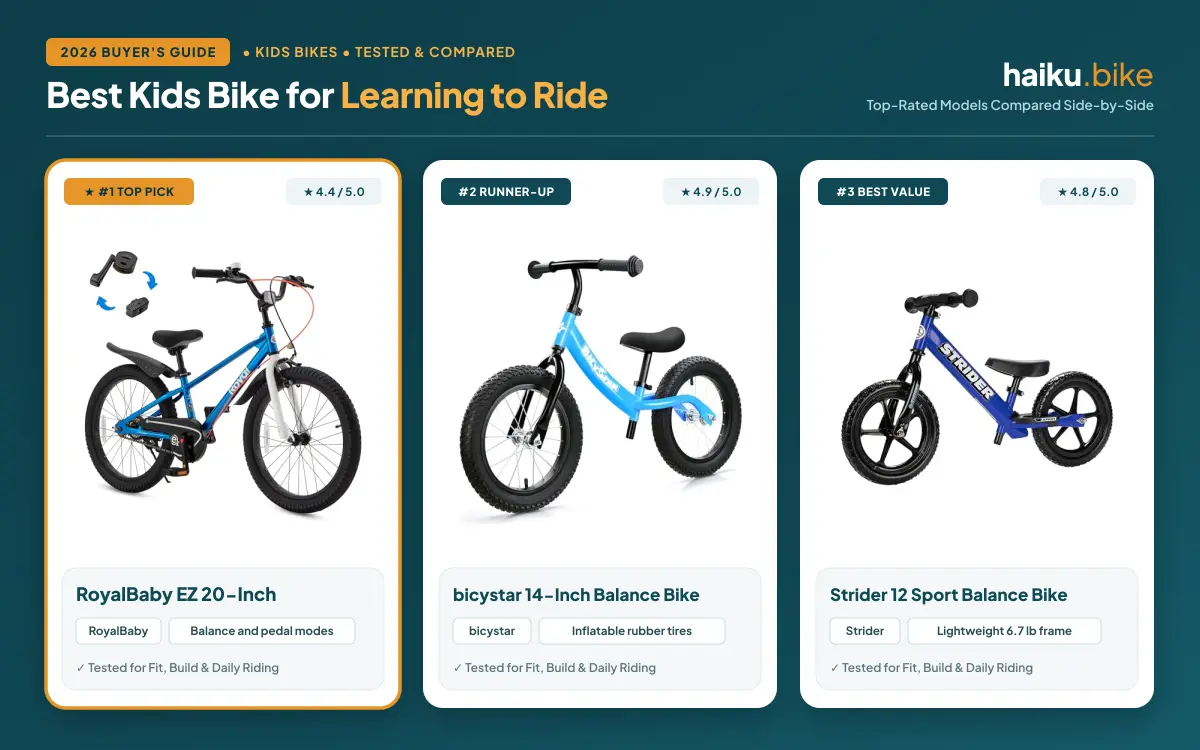
In November 2026, we compare 5 bikes from brands including RoyalBaby, JOYSTAR, Glerc and more, across the listed $79.98 – $156.99. Families can also browse our guide to kids’ bikes for learning to ride. Follow each manufacturer’s instructions and local laws when choosing, assembling, and using a child’s bike.
Safety note: Children’s bicycles sold in the United States must meet CPSC bicycle requirements (16 CFR Part 1512), and every rider should wear a helmet certified to the CPSC bicycle helmet standard (16 CFR Part 1203). An adult or bike shop should confirm fit, assembly, and brakes before riding.
At a Glance: Which One Fits You
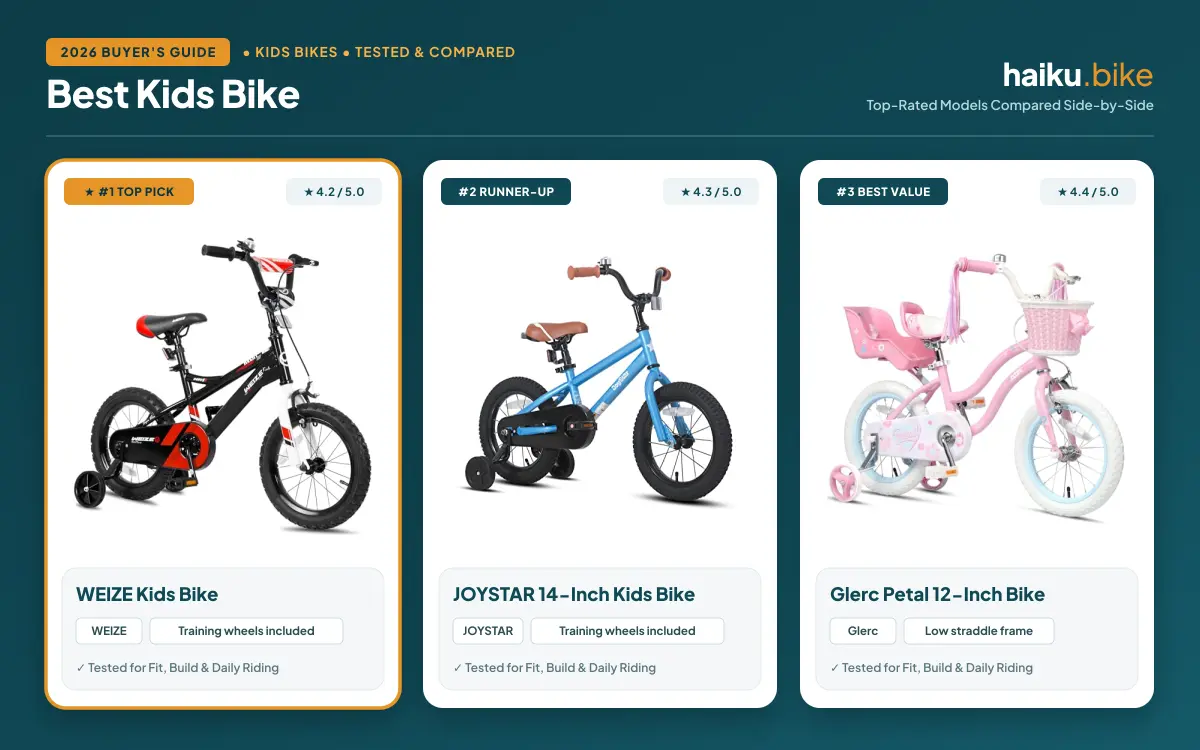
- Best overall: WEIZE Kids Bike, 14 16 20 Inch Children Bicycle offers three wheel sizes, a hand brake and coaster brake, and training wheels on smaller sizes.
- Best value: JOYSTAR 14 Inch Kids Bike for 3-5 Years Boys Girls has a quick-release seat, training wheels, and a foot brake for young riders.
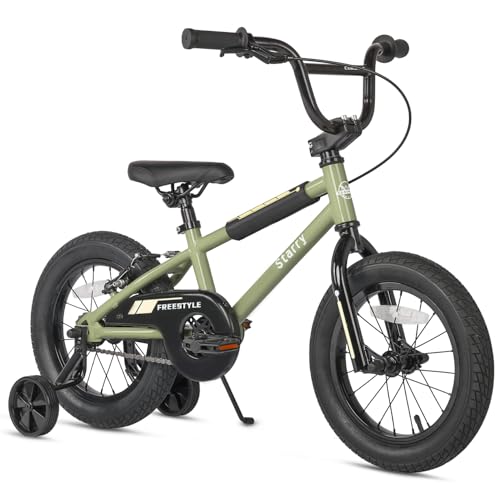
- Best for two braking options: cubsala 14 Inch Kids BMX Style Bike for 3 4 5 combines a coaster brake with a rear V-brake and lists a 14-inch fit range.
- Best for a retro style: Glerc Little Molly 14 Inch Kids Bike pairs hand and coaster brakes with a lower standover height and handlebar pads.

Pros
- Hand brake and coaster brake
- Tool-free adjustable saddle
- Training wheels on 14- and 16-inch sizes
- Full chain guard
- Steel frame
Cons
- Only three wheel sizes listed
- No bike weight stated
- No assembly time stated
Pros
- Removable training wheels included
- Coaster brake and rear V-brake
- High-tensile steel frame
- Kickstand included
Cons
- Requires some assembly
- Half chain guard
- Skip it if your child wants no training wheels

Pros
- Training wheels included
- Foot brake
- Quick-release seat
- Limited lifetime frame warranty
- 85% preassembled
Cons
- 20.9 lb
- Single-speed drivetrain
- Who should skip it: children outside the 35 to 47 inch range

Pros
- Training wheels included
- Coaster brakes
- Adjustable seat and handlebars
- Chainguard and non-slip pedals
- Tools and instructions included
Cons
- 25 lb listed weight
- Coaster brakes only
- Assembly still required

Pros
- Hand and coaster brakes
- Lower standover height
- Wicker basket included
- Training wheels included
- Basic assembly tools included
Cons
- 23 lb bike weight
- Fit limited to specified height and inseam range
- Who should skip it: riders outside recommended fit range
Side-by-Side Comparison
| Bike | Fit guidance | Brakes | Training wheels | Frame and weight |
|---|---|---|---|---|
| WEIZE Kids Bike, 14 16 20 Inch Children Bicycle | 14-inch: 35.4 to 41.3 inches; 16-inch: 38 to 48 inches | Hand and coaster | 14- and 16-inch sizes | Steel; weight not listed |
| cubsala 14 Inch Kids BMX Style Bike for 3 4 5 | 14-inch: ages 3 to 5, 35 to 43 inches | Coaster and rear V-brake | 12- to 18-inch sizes | High-tensile carbon steel; weight not listed |
| JOYSTAR 14 Inch Kids Bike for 3-5 Years Boys Girls | 14-inch: ages 3 to 5, 35 to 47 inches | Foot brake | Included | Steel; weight not listed |
| Royalbaby Freestyle Outdoor Children’s Bicycle | 16- and 18-inch sizes; check maker’s size chart | Coaster brake | Included | Steel; weight not listed |
| Glerc Little Molly 14 Inch Kids Bike | Ages 3 to 5, 36 to 44 inches, 16- to 20-inch inseam | Hand and coaster | Included | Weight: 23 lb |
Published fit ranges and braking setups separate these bikes most clearly. WEIZE, cubsala, and Glerc provide specific fit guidance for listed sizes, while Royalbaby points buyers to its chart. Choose by the child’s measurements and control reach, not by the age printed on a bike.
Common Mistakes to Avoid
Choosing a wheel size from age alone can leave a child unable to reach the ground or controls comfortably. Measure height and inseam, then compare them with the maker’s size guidance. The WEIZE and cubsala publish height ranges for selected sizes, while Glerc also lists an inseam range.
Assuming every brake works the same way can make early riding confusing. JOYSTAR lists a foot brake, which operates through backward pedaling, while WEIZE and Glerc combine a hand brake with a coaster brake. Confirm that the child can reach and operate each control, then practice stopping with adult supervision.
Buying a larger bike for future growth can compromise control today. Adjustable seats and handlebars help with fit, but they do not make an oversized frame suitable. Have the child sit on the bike where possible, check reach and standover comfort, and follow the maker’s setup instructions.
Overlooking assembly and safety checks can create avoidable problems before a first ride. JOYSTAR and cubsala describe their bikes as mostly assembled, but caregivers still need to follow instructions and confirm components are secure. Ask a bike shop or adult to check fit, assembly, and brakes if anything is unclear.
Best Kids Bike for 5 Year Old: Buying Guide
Fit, Height, and Inseam
Fit determines whether a child can start, stop, and steer with control, so use measurements rather than age as the deciding factor. Check the maker’s recommended height and inseam ranges for the specific wheel size, because ranges differ between brands.
Glerc lists a 36- to 44-inch height range and a 16- to 20-inch inseam range for its 14-inch bike. WEIZE lists 35.4 to 41.3 inches for its 14-inch size, while cubsala lists 35 to 43 inches. Those differences make a child’s actual measurements and bike fit important.
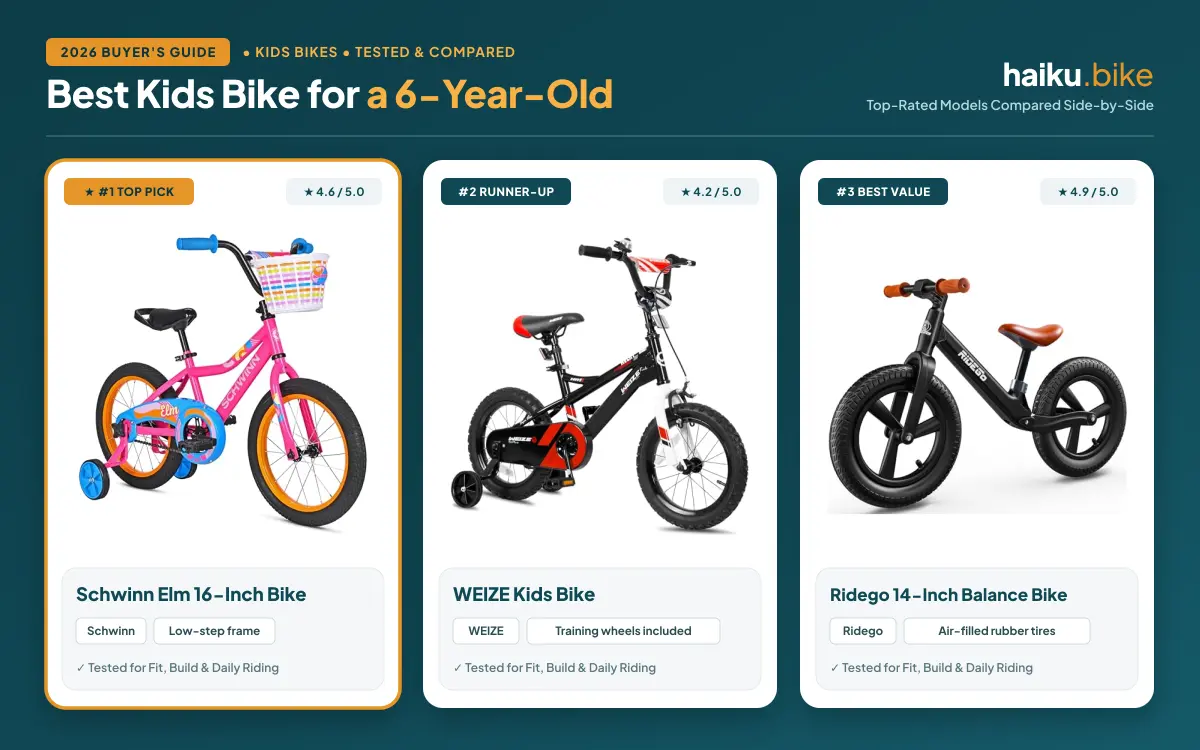
Adjustable seats and handlebars can help tune a correctly sized bike, but adjustment cannot fix a frame that is too large. Check that the child can reach the grips and controls without stretching, and follow the maker’s limits for seat and handlebar adjustment. For more age-specific comparisons, see our kids’ bike guide for six-year-olds.
Wheel Size and Growth
Wheel size helps narrow the options, but it does not determine fit on its own. Compare the full bike sizing guidance, including rider height, inseam, seat adjustment, and how easily the child can handle the frame.
WEIZE offers 14-, 16-, and 20-inch versions, with overlapping height ranges between its 14- and 16-inch sizes. That overlap means two children of similar height may still need different setups based on reach and confidence. Royalbaby lists 16- and 18-inch options and directs buyers to its size chart.
Buying a larger bike to extend its useful life can make it harder to control now. Ask the child to sit on the bike and check their position before purchase when possible. If buying online, compare measurements with the specific size chart and review the seller’s return terms.
Pedals, Training Wheels, and Learning Style
Pedal bikes with training wheels let a beginner practice pedaling while receiving added side support. WEIZE includes training wheels with its 14- and 16-inch sizes, and JOYSTAR lists them for its 14-inch bike. cubsala includes them with its 12- through 18-inch sizes.
Training wheels do not remove the need to learn steering and stopping. Consider whether the child is comfortable pedaling and whether the added support matches their current confidence. A child already balancing and gliding may prefer a bike setup that encourages independent control, depending on fit and caregiver judgment.
All five bikes in this comparison are pedal bikes, so none is a pedal-free balance bike. Families seeking a first step focused only on balance can compare other formats in the Kids Bikes category. Choose a format that suits the child’s skills rather than assuming every five-year-old is ready for the same bike.
Brake Type and Reach
Brake type matters because a young rider must understand how to slow down and stop before riding independently. A coaster or foot brake engages when the rider pedals backward, while a hand brake uses a lever. The child needs to reach and operate any controls fitted to the bike.
WEIZE and Glerc list both hand and coaster brakes, and cubsala lists a coaster brake plus a rear V-brake. JOYSTAR lists a foot brake, while Royalbaby lists a coaster brake with a shorter grip-length lever feature. Confirm the exact controls on the selected size, because product versions can differ.
Before riding, explain how the bike’s brakes work and practice stopping in a calm, open area. Watch the child operate the controls at low speed, and check that hand levers are reachable. Follow the manufacturer’s instructions and ask a bike shop or adult to assess fit, assembly, and brakes.
Frame, Weight, and Handling
Frame design and bike weight affect how easily a child can manage the bike and how convenient it is for caregivers to carry. WEIZE and Royalbaby list steel frames, JOYSTAR lists a steel frame, and cubsala specifies high-tensile carbon steel. Frame material alone does not establish comfort or fit.
Glerc lists its 14-inch bike at 23 lb, while the other products’ weights are not listed here. Weight can matter when a child needs help moving or lifting a bike, but balance, fit, and control remain central. Check the current product information if carrying or storage is a priority.
Look at features that support ordinary use, including chain protection, tires, and adjustable parts. WEIZE lists a fully enclosed chain guard, while JOYSTAR describes a chain guard and quick-release seat. Confirm that adjustments can be secured as instructed and that the bike suits the surfaces where the child will ride.
Assembly, Helmet, and Safety Checks
Assembly quality and protective equipment are essential parts of choosing a child’s bike. JOYSTAR and cubsala describe their bikes as 85% assembled, and Royalbaby describes its bike as 95% assembled. Those descriptions do not replace careful setup according to the manufacturer’s instructions.
Children’s bicycles sold in the United States must meet CPSC bicycle requirements under 16 CFR Part 1512. Bicycle helmets should be certified to the CPSC bicycle helmet standard, 16 CFR Part 1203; check the helmet listing for certification and follow its fit instructions. None of the bike descriptions here states a specific certification.
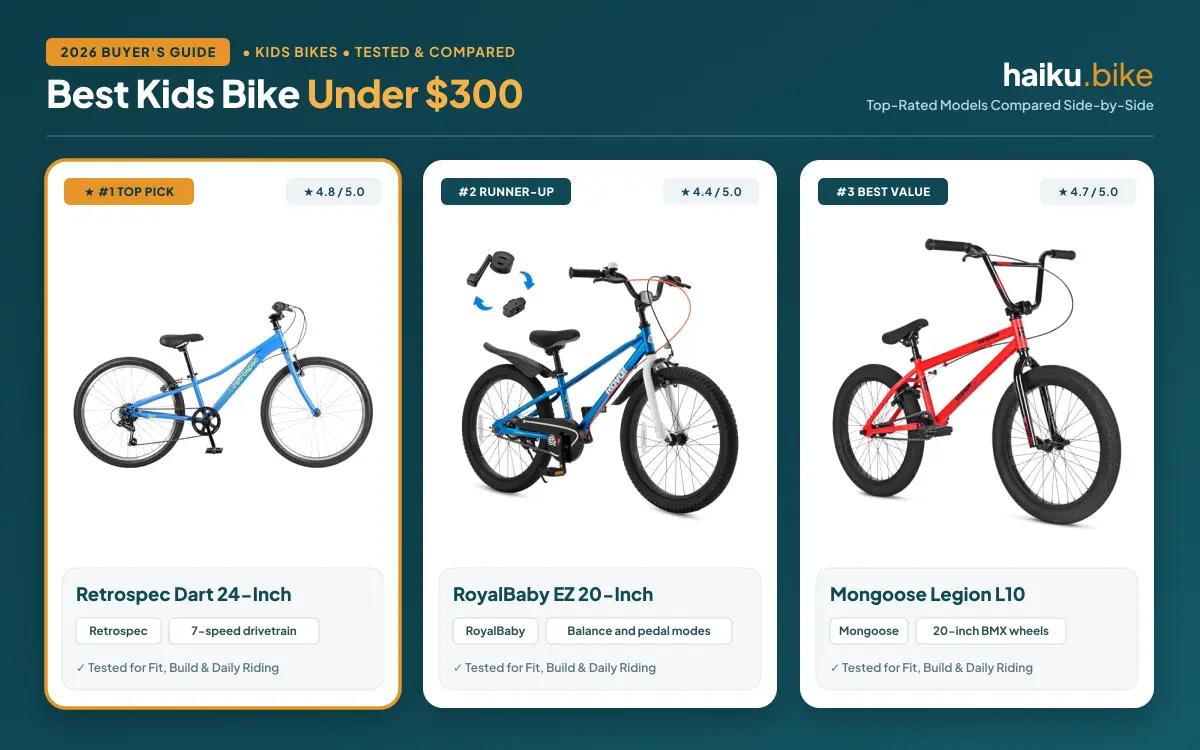
Before each ride, an adult should confirm that the bike fits, the assembly follows instructions, and the brakes operate as intended. Choose a suitable riding area and supervise according to the child’s ability. Our kids’ bike comparison by budget offers another way to explore children’s bike options.
How We Chose
We score products with the Haiku Ride Score: core performance 30%, build and weather resistance 20%, ease of use 20%, compatibility and fit 15%, and value 15%. For children’s bikes, compatibility and fit means frame sizing, published rider ranges, wheel size, and whether a young rider can use the listed controls.
We evaluate manufacturer specifications, fit guidance, assembly information, and long-term owner feedback when available. We research and draft our guides with software tools, including AI, then run automated checks on product fit, sourcing, and our editorial rules. Our editor spot-checks guides rather than reading each one before publication. Read how we review for more about our method.
Price and Value: What Each Budget Gets You
Budget
At the lower end, WEIZE offers three wheel-size options, adjustable handlebars and saddle, and a hand brake paired with a coaster brake. Its smaller sizes include training wheels, while its 20-inch version uses a kickstand. The trade-off is that its published fit ranges overlap, so caregivers must check the child’s measurements and control reach rather than relying on size labels.
Mid-Range
Mid-range choices add different combinations of fit guidance, braking, and styling. JOYSTAR lists a quick-release seat and foot brake, while Glerc combines hand and coaster brakes with a lower standover height and handlebar pads. Buyers give up some size flexibility compared with a bike offered in several wheel sizes, so confirm that the listed frame fits the rider now.
Premium
At the upper end, Royalbaby offers adjustable seat and handlebars, training wheels, pneumatic tires, and a coaster brake. cubsala pairs a steel frame with a coaster brake and rear V-brake, and lists removable training wheels on several sizes. These features do not guarantee better fit or handling, and families should compare the child’s measurements and preferred brake setup.
Choosing Something Else
A pedal-free balance bike may suit a child who is not ready to coordinate pedaling and braking. A used bike can also work for families who can confirm fit, condition, and safe assembly before riding. In either case, choose a suitable size and provide a correctly fitted helmet; wait to buy if the child cannot comfortably manage the available options.
Final Thoughts
Families seeking several sizes and two braking methods can start with WEIZE Kids Bike, 14 16 20 Inch Children Bicycle. Its 14- and 16-inch versions include training wheels, and its published height ranges help narrow the choice. The ranges overlap, however, so measure the child and confirm reach before selecting a size.
cubsala 14 Inch Kids BMX Style Bike for 3 4 5 suits families who want a coaster brake and rear V-brake, while JOYSTAR 14 Inch Kids Bike for 3-5 Years Boys Girls has training wheels and a foot brake. Check whether the child can use the selected braking system comfortably; each bike’s controls differ.
For a retro design and listed inseam guidance, consider Glerc Little Molly 14 Inch Kids Bike. Families comparing larger wheel sizes can review Royalbaby Freestyle Outdoor Children’s Bicycle, which has adjustable seat and handlebars. Both choices still require an individual fit check and careful setup.
Skip these bikes if the child is not ready for pedals, if none fits their measurements, or if an adult cannot confirm safe assembly and brake operation. A balance bike or waiting for a better fit may make more sense. Browse our Bikes & E-Bikes category for other cycling formats.
FAQs
What size bike does a five-year-old need?
A five-year-old needs a bike that matches their height, inseam, reach, and riding ability, rather than age alone. Compare those measurements with the maker’s guidance for the specific wheel size. WEIZE, cubsala, and Glerc publish fit ranges for selected sizes, but the child should still be able to manage the bike comfortably.
Is a 14-inch bike right for a five-year-old?
A 14-inch bike may fit some five-year-olds, but the wheel label does not confirm rider fit. The listed ranges differ: WEIZE gives a 35.4- to 41.3-inch range for its 14-inch size, while cubsala lists 35 to 43 inches. Measure height and inseam, then check reach and comfort before buying.
Should a five-year-old use training wheels?
Training wheels can support a child who is learning to pedal, but they do not suit every rider or replace learning to steer and stop. WEIZE, JOYSTAR, cubsala, and Royalbaby list training wheels for selected bikes or sizes. Choose based on the child’s confidence and ability, and supervise practice in a calm area.
Are hand brakes or coaster brakes better for young riders?
Neither brake type suits every child; hand brakes use a lever, while coaster brakes engage when the rider pedals backward. WEIZE and Glerc list both types, and cubsala pairs a coaster brake with a rear V-brake. Check whether the child can reach and operate the controls, then practice stopping under adult supervision.
What helmet standard should a child’s bike helmet meet?
A bicycle helmet for a child riding in the United States should be certified to the CPSC bicycle helmet standard, 16 CFR Part 1203. Check the helmet listing for certification and follow its instructions to achieve a secure fit. An adult should confirm that the helmet sits correctly before each ride and suits the child.
Do children’s bikes need to meet US safety requirements?
Children’s bicycles sold in the United States must meet CPSC bicycle requirements under 16 CFR Part 1512. Check product information and follow the manufacturer’s instructions for assembly and use. Before riding, an adult or bike shop should confirm the bike fits the child and that assembly and brakes are in order.
How do I know if a bike is too big for my child?
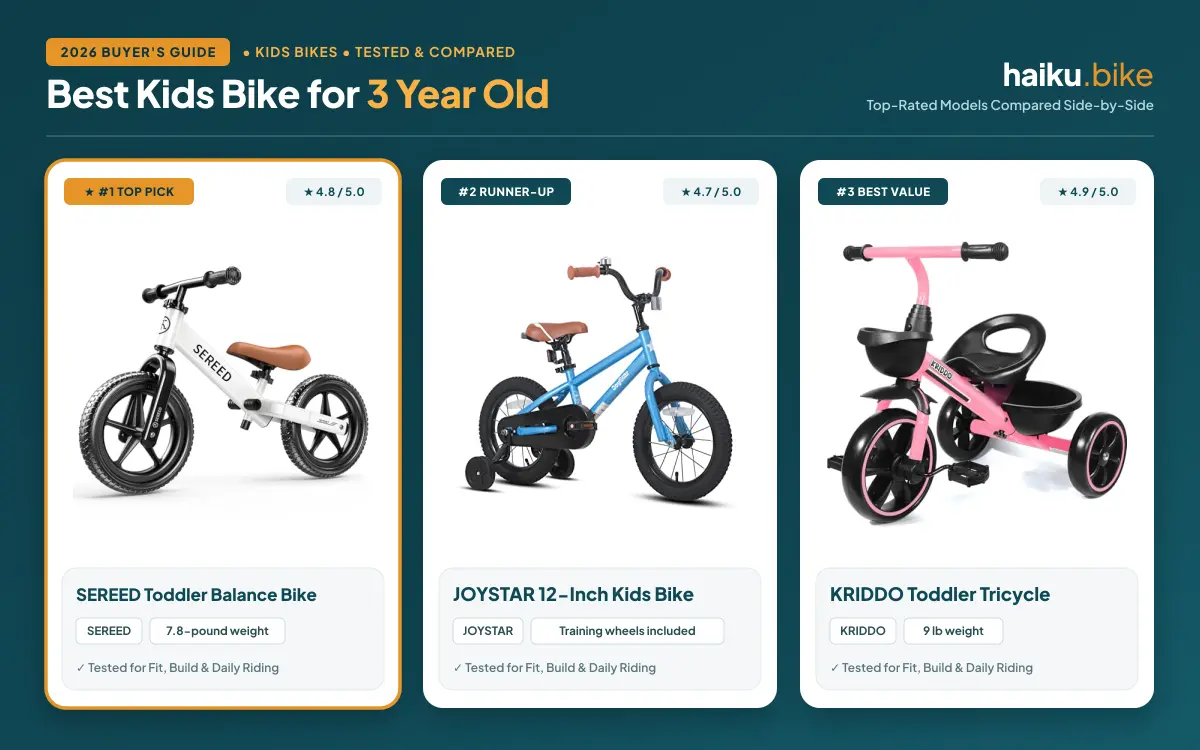
A bike may be too big if the child cannot reach the ground, handlebars, or brakes comfortably, or cannot manage starts and stops. Compare the child’s height and inseam with the maker’s chart, then check the actual riding position where possible. Our kids’ bike guide for three-year-olds covers an earlier rider stage.
Write Your Review
No reviews yet. Be the first to share your experience!