
Parents choosing a helmet for neighborhood rides, trips to the park, or scooter outings need a size that fits and safety information that matches the activity. This guide compares 5 kids helmets, with options from brands including Schwinn, OUWOER, BURSUN and more.
For bicycle helmets sold in the United States, look for compliance with CPSC 16 CFR Part 1203 and check the product listing for certification. Follow the manufacturer’s instructions and local laws, and measure your child’s head before choosing a size. Our kids bike helmet guide offers more category context.
At a Glance: Which One Fits You
- Best overall: Schwinn Thrasher Helmet for Kids, Carbon earns this spot because its dial fit system, washable padding, removable visor, and 20 vents suit everyday youth riding.
- Best value: 80SIX Triple Certified Multisport Helmet earns this spot because it lists standards for bicycling, roller skating, and skateboarding.
- Best for a broad size range: Kids Bike Helmet, 3 Sizes from Toddler to Youth earns this spot because its three sizes cover listed head circumferences from 48 to 61 cm.
- Best for rotational protection features: Giro Fixture MIPS II Road Bike Helmet earns this spot because it has an integrated MIPS system designed to reduce rotational forces.
Pros
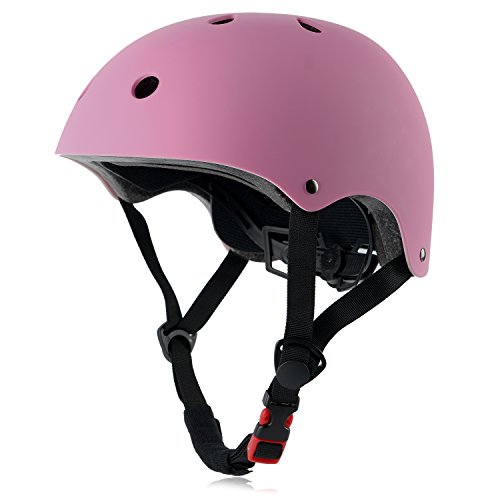
- Dial-adjustable fit
- Two pad thicknesses included
- Eleven vents
- Listed for multiple outdoor sports
Cons
- Small size tops out at 21.3 inches
- Listed CPSC standard covers age 5 and older

Pros
- Dial-adjustable fit
- Removable, washable padding
- Removable visor
- 20 air vents
- CPSC compliant
Cons
- Listed fit range limited to 55 to 58 cm
- MIPS not specified

Pros
- Adjustable dial and straps
- 11 ventilation openings
- ABS shell and EPS foam
- CPSC standard compliance stated
- Multi-sport use
Cons
- Listed age ranges differ
- No fit system beyond dial and straps

Pros
- MIPS rotational-force protection
- One-handed fit adjustment
- Reflective details
- Ponytail-compatible fit system
Cons
- Youth sizing only
- No safety certification listed

Pros
- Three listed safety certifications
- Biking and skate sports coverage
- Adjustable chin strap
- Three size options
- Ventilated ABS and EPS construction
Cons
- No adult size above 58 cm
- No fit adjustment system specified
- Weight may not suit riders seeking a lighter helmet
Side-by-Side Comparison
| Helmet | Listed fit range | Adjustment | Ventilation | Safety information | Notable feature |
|---|---|---|---|---|---|
| Kids Bike Helmet, 3 Sizes from Toddler to Youth | 48-61 cm across three sizes | Dial and adjustable straps | 11 vents | CPSC standard for persons age 5 and older | Two pad thicknesses |
| Schwinn Thrasher Helmet for Kids, Carbon | 55-58 cm | Dial and adjustable straps | 20 vents | CPSC standard for persons age 1 and older, extended head coverage | Removable visor and washable padding |
| BURSUN Kids Bike Helmet Ventilation & Adjustable | 48-54 cm | Dial and adjustable straps | 11 vents | CPSC standard for persons age 1 and older, extended head coverage | Multi-sport use |
| Giro Fixture MIPS II Road Bike Helmet | 50-57 cm | Roc Loc Sport fit system | Not listed | Check product listing for certification | Integrated MIPS and reflective details |
| 80SIX Triple Certified Multisport Helmet | 49-58 cm across three sizes | Adjustable chin strap | Well-ventilated; count not listed | CPSC, ASTM F1447, and ASTM F1492 | Bike, scooter, and skate use |
Head circumference and the activity-specific certification matter most in this comparison. Measure your child’s head, then match that measurement to the exact size band; a helmet with useful extras still will not work if it cannot fit securely.
Common Mistakes to Avoid
Choosing by age alone can lead to a helmet that sits loosely or presses uncomfortably, because children of the same age can have different head measurements. Measure around the widest part of the head and compare the result with the manufacturer’s size chart. After adjustment, check that the helmet sits level and stays stable.
Assuming every helmet covers every sport can also create a mismatch. The 80SIX Triple Certified Multisport Helmet lists CPSC, ASTM F1447, and ASTM F1492 standards, while other helmets list different safety information. Check the exact listing for the intended activity instead of relying on a general multi-sport label.
Buyers can overlook strap adjustment and care instructions when comparing features. A dial or adjustable straps help secure fit, while removable pads can make upkeep easier, but neither replaces following the manufacturer’s instructions. Check the helmet before rides and follow the maker’s guidance after an impact.
Best Kids Bike Helmet Buying Guide
Fit and Head Circumference
Head circumference is the first criterion because a helmet must fit securely to stay in the intended position. Use a flexible tape around the widest part of your child’s head, above the eyebrows and ears, then compare the measurement with the manufacturer’s size chart. Age labels can help narrow choices, but they cannot confirm fit.
The listed ranges show why checking individual size bands matters. The Schwinn Thrasher Helmet for Kids, Carbon fits 55-58 cm, while the BURSUN Kids Bike Helmet Ventilation & Adjustable lists 48-54 cm. The Kids Bike Helmet, 3 Sizes from Toddler to Youth spans three bands, so confirm the selected size rather than relying on its broad age descriptions.
After selecting a size, adjust the retention system and straps according to the maker’s directions. The helmet should sit level and remain stable when your child moves their head. If the helmet shifts, pinches, or cannot be adjusted as instructed, compare another size or model before buying.
CPSC Certification and Activity
CPSC 16 CFR Part 1203 is the relevant US bicycle helmet standard, so buyers should verify certification in the product listing. The OUWOER, Schwinn, and BURSUN product descriptions state compliance with a CPSC bicycle helmet standard. Check the exact listing and helmet labeling to confirm the information applies to the model you intend to buy.
Activity matters when a child uses one helmet for biking, skating, or other wheeled sports. The 80SIX Triple Certified Multisport Helmet lists CPSC, ASTM F1447 for recreational bicycling or roller skating, and ASTM F1492 for skateboarding and trick roller skating. Do not assume that a multi-sport description means another helmet carries those standards.
Read the standards alongside the manufacturer’s instructions and your child’s planned activities. A helmet suitable for cycling may not have the listed certification needed for skateboarding. If a product’s safety information is unclear, check its listing before purchasing rather than treating design or marketing language as proof.
Fit Systems and Strap Adjustment
A fit system helps secure the helmet after you choose the correct size, while straps help keep its position stable. The Schwinn Thrasher Helmet for Kids, Carbon and BURSUN Kids Bike Helmet Ventilation & Adjustable list dial systems. The Giro Fixture MIPS II Road Bike Helmet uses a Roc Loc Sport fit system.
Check that the dial or retention system is easy for an adult to adjust and that the chin strap can be positioned comfortably. The 80SIX Triple Certified Multisport Helmet lists an adjustable chin strap with a side-release buckle. A well-designed adjustment system cannot compensate for a shell that is too large or too small.
Follow the manufacturer’s fit instructions whenever you adjust or recheck a helmet. Confirm that the helmet sits level and does not tilt back when your child moves. For more context on helmet features, see our guide to bike helmets with turn signals.
Rotational Protection Features
MIPS is a rotational-impact system intended to reduce rotational forces; it does not replace suitable fit or required certification. The Giro Fixture MIPS II Road Bike Helmet lists an integrated MIPS system combined with its adjustable fit system. Check the product listing to confirm the features included on the exact model.
Decide whether a rotational protection feature matters after narrowing options by size and certification. A system name alone does not show whether a helmet fits your child or meets the safety standard for its intended activity. Check both points separately and treat the feature as one factor among several.
Families comparing helmet technologies can also browse Helmets & Safety. Use the category to explore options, then verify certification and sizing information on the individual product listing. Do not choose by a feature label without checking the helmet’s fit range.
Ventilation, Padding, and Comfort
Ventilation and padding influence comfort during longer rides and active play. The Schwinn Thrasher Helmet for Kids, Carbon lists 20 vents and removable, washable padding; the OUWOER and BURSUN helmets each list 11 vents. Vent counts do not establish fit or safety, so compare them only after checking size and certification.
Padding thickness can affect how a helmet sits on a child’s head. The Kids Bike Helmet, 3 Sizes from Toddler to Youth includes two pad sets with different thicknesses. Follow the manufacturer’s care instructions before washing removable pads, and let them dry as directed before putting the helmet back into use.
Comfort is personal, so consider how the liner and straps feel during a fitting. A helmet that a child refuses to wear will not suit the family’s needs, but appearance and comfort cannot replace a secure fit. Check fit again as your child grows and compare the measurement with the current size chart.
Visibility and Multi-Sport Features
Visibility and activity-specific details help distinguish helmets after fit and certification are confirmed. The Giro Fixture MIPS II Road Bike Helmet lists reflective details that return light toward its source. The Schwinn Thrasher Helmet for Kids, Carbon has a removable visor for sun protection.
Reflective details are not a replacement for bike lights or other visibility measures, and a visor does not affect sizing. Consider these features in context of where and when your child rides. Check what the manufacturer includes rather than assuming similar-looking helmets have the same components.
Families sharing a helmet across activities should match its listed standards to each activity. The 80SIX Triple Certified Multisport Helmet names standards for bicycling, roller skating, and skateboarding. Other helmets describe outdoor or multi-sport use, so verify their exact safety information before using them beyond cycling.
How We Chose
We score each option with the Haiku Ride Score: core performance counts for 30%, build and weather resistance for 20%, ease of use for 20%, compatibility and battery for 15%, and value for 15%. For kids helmets, we focus on fit ranges, stated safety information, adjustment features, and practical details described by manufacturers.
Our evaluation draws on manufacturer specifications, compatibility information, and long-term owner feedback when available. We research and draft our guides with software tools, including AI, then run automated checks on product fit, sourcing, and our editorial rules. Our editor spot-checks guides rather than reading each one before publication. Our how we review page explains the method.
Price and Value: What Each Budget Gets You
Budget
Budget kids helmets can cover core needs such as adjustable straps, a choice of sizes, and stated bicycle safety information. The 80SIX Triple Certified Multisport Helmet stands out for listing standards across several wheeled activities, though its fit system is limited to an adjustable chin strap. Check its size bands carefully and confirm that the certification matches the sport.
Mid-Range
Mid-range options in this guide add practical fit or comfort details without relying on a large set of features. The Schwinn Thrasher Helmet for Kids, Carbon combines a dial adjustment system, washable padding, a removable visor, and 20 vents. The trade-off is a narrower listed fit range, so it will not fit every child.
Premium
At the premium end, features can include an integrated rotational protection system, a specialized adjustment system, or reflective details. The Giro Fixture MIPS II Road Bike Helmet lists MIPS, Roc Loc Sport adjustment, and reflective details. Its 50-57 cm fit range and certification information still need careful checking before purchase.
Choosing Something Else
If none of these helmets fits your child or covers the intended activity, compare another size or a helmet designed for that sport. Families can browse the smart helmets category for a different feature set, but should still verify fit and certification. A different product category is not a substitute for an appropriately fitted helmet.
Final Thoughts
The Schwinn Thrasher Helmet for Kids, Carbon suits youth riders whose measured head circumference falls within its listed 55-58 cm range. Its dial adjustment, washable padding, removable visor, and 20 vents make it a practical everyday option. Choose something else if your child’s measurement falls outside that range.
Families who need a helmet for several wheeled activities can consider the 80SIX Triple Certified Multisport Helmet because it lists CPSC and two ASTM standards. The Kids Bike Helmet, 3 Sizes from Toddler to Youth offers three size bands, while the BURSUN Kids Bike Helmet Ventilation & Adjustable lists a 48-54 cm range and dial adjustment.
Riders considering rotational protection features can look at the Giro Fixture MIPS II Road Bike Helmet, which lists integrated MIPS and a Roc Loc Sport fit system. Its listed range is 50-57 cm, and buyers should check certification details. Review our kids bike helmet category to compare other sizes and models.
Skip these options if none matches your child’s head measurement or intended activity. A helmet that cannot be adjusted to sit securely is not the right choice, regardless of its feature list. Compare another size, verify the relevant certification, and follow the manufacturer’s guidance before use.
FAQs
How do I choose the right size kids bike helmet?
To choose the right size kids bike helmet, measure your child’s head circumference and compare it with the manufacturer’s size chart. The listed fit ranges vary, so age alone cannot confirm a secure fit. Adjust the helmet according to its instructions, then check that it sits level and stays stable before each ride.
Which CPSC standard should a kids bike helmet meet?
A bicycle helmet sold for use in the United States should meet CPSC 16 CFR Part 1203. Check the product listing and helmet labeling for certification rather than assuming a general safety claim confirms compliance. Choose a helmet whose stated certification covers your child’s intended activity, and follow the manufacturer’s fit and use instructions.
Can a child use one helmet for biking and skating?
A child can use one helmet for biking and skating only when its stated certifications cover both activities. The 80SIX Triple Certified Multisport Helmet lists CPSC, ASTM F1447, and ASTM F1492 standards. Check the exact product listing and follow the manufacturer’s instructions before using a helmet across different sports.
Does MIPS replace CPSC certification?
MIPS does not replace CPSC certification; it is a rotational-impact system, while CPSC 16 CFR Part 1203 is the relevant US bicycle helmet standard. The Giro Fixture MIPS II Road Bike Helmet lists integrated MIPS, but buyers should separately check its certification details and confirm that its fit range suits the child.
How should I adjust a kids bike helmet?
Adjust a kids bike helmet according to the maker’s instructions for its fit system and straps. The Schwinn Thrasher Helmet for Kids, Carbon and BURSUN Kids Bike Helmet Ventilation & Adjustable list dial systems, while the 80SIX helmet has an adjustable chin strap. Check that the helmet sits level and stays stable each time your child wears it.
Can my child wear a helmet after a crash?
After a crash or impact, follow the helmet manufacturer’s instructions on inspection and replacement. Do not rely only on visible cracks to decide whether a helmet remains suitable. Check the maker’s guidance for the exact model and replace the helmet as directed if an impact has occurred.
How should I clean a child’s bike helmet?
Clean a child’s bike helmet according to its manufacturer’s care instructions, because materials and removable parts vary. The Schwinn Thrasher Helmet for Kids, Carbon lists removable, washable padding, and the OUWOER helmet includes pad sets with different thicknesses. Check which parts can be washed and dry them as directed before use.
Which Best Kids Bike Helmet features matter most in 2026?
The most important Best Kids Bike Helmet features in 2026 are a measured fit, applicable CPSC certification, and adjustment that follows the manufacturer’s instructions. Ventilation, padding, a visor, reflective details, or MIPS may help distinguish options, but none makes an incorrectly sized helmet suitable. Compare the listing with your child’s activity and head measurement.
Write Your Review
No reviews yet. Be the first to share your experience!