

Road riders need a helmet that stays stable through traffic, changing pace, and long hours in the saddle. Fit and safety documentation matter more than a long feature list, while ventilation and useful details can make regular rides more comfortable.
In November 2026, we compared 3 road and commuter helmets from Schwinn, SMITH, Giro by their stated fit systems, features, and safety information. Follow each manufacturer’s instructions and local laws, and check the product listing for certification to CPSC 16 CFR Part 1203. For another perspective on rotational-impact systems, see our MIPS versus non-MIPS helmet guide.
At a Glance: Which One Fits You
- Best overall: SMITH Signal Cycling Helmet, White, Medium combines MIPS, zonal Koroyd coverage, and 270-degree VaporFit adjustment, but its listed size is medium.
- Best value: Schwinn Thrasher Helmet for Adults, Black offers a dial fit, removable visor, washable padding, and stated CPSC compliance, but its description does not list MIPS.
- Best for universal-fit MIPS: Giro Register MIPS II Helmet – Matte White/Grey pairs MIPS with an easy-adjust Roc Loc Sport system, though its description does not state a certification.

Pros
- MIPS safety system
- Zonal Koroyd coverage
- 21 fixed vents
- 270-degree VaporFit adjustment
- AirEvac system for Smith eyewear
Cons
- Vents are fixed
- AirEvac integration specified for Smith eyewear

Pros
- Dial-adjustable fit
- Removable, washable padding
- Removable visor
- Air vents
- CPSC-compliant
Cons
- Fits 58 to 62 cm head circumferences
- No MIPS feature listed
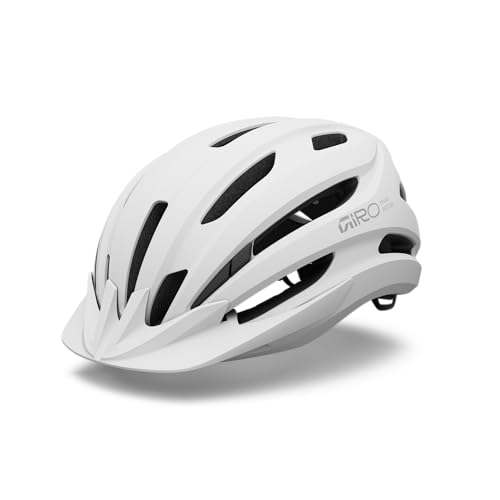
Pros
- Integrated MIPS system
- One-handed fit adjustment
- 7 cm adjustment range
- Deep internal channeling
- Ponytail-compatible fit system
Cons
- Specific fit range not listed
- Helmet weight not listed
Side-by-Side Comparison
| Helmet | Rotational-impact feature | Fit and sizing | Ventilation and practical features | Certification stated |
|---|---|---|---|---|
| SMITH Signal Cycling Helmet, White, Medium | MIPS; zonal Koroyd coverage | Medium; VaporFit, 270-degree adjustment | 21 fixed vents; AirEvac for Smith eyewear | U.S. CPSC age 5 and older; CE EN 1078; AS/NZS 2063 |
| Schwinn Thrasher Helmet for Adults, Black | Not listed | 58-62 cm; adjustable dial and straps | 20 vents; removable visor; washable padding | U.S. CPSC age 1 and older |
| Giro Register MIPS II Helmet – Matte White/Grey | Integrated MIPS | Universal fit; Roc Loc Sport MIPS, 7 cm adjustment range | Large vents; deep internal channeling | Not listed |
Fit and stated certification are the most consequential differences in this comparison. Schwinn and SMITH state U.S. CPSC compliance, while Giro’s product description does not name a certification; confirm the exact helmet’s documentation before buying.
Common Mistakes to Avoid
A common mistake is choosing a helmet by features before checking whether its size suits your head. Measure your head circumference and compare it with the manufacturer’s sizing guidance, then assess whether the retention system holds the helmet level without painful pressure.
Another mistake is assuming every helmet in a brand’s range has the same certification. Schwinn and SMITH name specific standards, while Giro’s description does not state certification. Check the exact product listing and helmet label for CPSC 16 CFR Part 1203 before purchase.
Buyers can also treat MIPS as a substitute for fit or certification, which it is not. MIPS is designed to reduce rotational forces in certain impacts, but it cannot guarantee injury prevention. Schwinn’s description does not list MIPS, so riders seeking that feature should compare the Giro or SMITH instead.
Finally, do not rely on reflective details or a visor as complete visibility or sun protection. Reflective features need a light source, and a visor does not replace suitable eyewear. Use dedicated bike lights and reflective clothing when conditions call for them.
Best Road Bike Helmet Buying Guide
CPSC Certification and Intended Use
CPSC certification is a key safety requirement to verify when buying a bicycle helmet in the United States. Check the listing and helmet label for compliance with CPSC 16 CFR Part 1203, because product descriptions may omit documentation or specify an age group.
Schwinn states compliance with the U.S. CPSC bicycle helmet standard for persons age 1 and older, while SMITH names the standard for persons age 5 and older. Giro’s description does not list a certification, so confirm the exact Register MIPS II listing rather than assuming certification from the brand name.
Certification does not establish that a helmet fits your head or suits every ride. Consider your usual routes, coverage preference, and comfort, then follow the maker’s instructions for fitting, care, and replacement after an impact.
Fit, Sizing, and Retention
A helmet’s fit system helps keep its shell stable without creating painful pressure, so sizing should lead your comparison. Measure your head circumference and use the manufacturer’s chart; universal-fit wording does not mean every head shape will fit every helmet equally well.
Schwinn lists a 58-62 cm range with an adjustable dial and straps. SMITH Signal is listed in medium and uses VaporFit adjustment, while Giro Register MIPS II combines universal-fit sizing with Roc Loc Sport MIPS and a 7 cm adjustment range.
Try a helmet with your usual glasses and headwear, if possible. It should sit level and remain stable as you move your head, while the straps adjust without pressing on your ears or interfering with eyewear. Choose another size or model if adjustment cannot produce a secure, comfortable fit.
Rotational-Impact Systems
Rotational-impact systems are designed to reduce forces that may transfer to a rider’s brain during certain impacts. Treat MIPS as one feature to compare alongside fit, certification, and comfort, not as a guarantee against injury.
SMITH Signal and Giro Register MIPS II list MIPS, and SMITH also lists zonal Koroyd coverage. Schwinn’s description does not list MIPS, which may make it a poor match for riders specifically seeking a helmet with a named rotational-impact system.
Check the exact model and version before ordering, since features can differ across a product family. A feature label should not outweigh a poor fit or unclear certification information. For more context on the distinction, read our guide to MIPS and non-MIPS helmets.
Ventilation and Heat Management
Ventilation affects comfort by moving air through and around a helmet, especially during hard efforts or warm-weather rides. Vent count offers one comparison point, but opening placement and internal channels also shape airflow.
Schwinn lists 20 vents, while SMITH Signal lists 21 fixed vents and AirEvac integration with Smith eyewear. Giro Register MIPS II highlights large vents and deep internal channeling designed to direct air over the scalp.
More vents do not automatically make a helmet cooler for every rider. Consider your climate, pace, riding posture, and glasses, then check whether the helmet fits comfortably while leaving room for air to move.
Practical Features and Visibility
Practical features matter when they suit your routes and everyday habits. Schwinn includes a removable visor and padding that can be removed and washed, while SMITH’s AirEvac system is designed to integrate with Smith eyewear.
Check whether a visor works with your preferred eyewear and whether the fit remains stable when you look over your shoulder. If you use glasses from another brand, assess comfort and lens clearance rather than assuming an eyewear integration feature will suit them.
Reflective details can return light toward its source, but they do not replace bike lights or reflective clothing. Check the maker’s care instructions before cleaning removable padding, and do not assume that pads or fit parts from different helmets are interchangeable.
How We Chose
We compare helmets using the Haiku Ride Score: core performance accounts for 30%, build and weather resistance 20%, ease of use 20%, compatibility and fit 15%, and value 15%. For helmets, compatibility and fit means published sizing, adjustment, and practical fit details, not electronics or battery features.
We evaluate manufacturer specifications, compatibility information, and long-term owner feedback to assess details that matter to riders. We research and draft our guides with software tools, including AI, then run automated checks on product fit, sourcing, and our editorial rules. Our editor spot-checks guides rather than reading each one before publication. Our how we review page explains the method.
Price and Value: What Each Budget Gets You
Budget
At the budget end, riders can prioritize basic adjustment, ventilation, and useful everyday features. Schwinn Thrasher includes a dial fit system, removable visor, washable padding, and stated CPSC compliance. Its description does not list MIPS, and the stated size range may not suit every adult, so riders should check fit and compare features before choosing it.
Mid-Range
Mid-range helmets can add a named rotational-impact system and a more adjustable fit without abandoning practical ventilation. Giro Register MIPS II pairs MIPS with universal-fit sizing, one-handed Roc Loc Sport adjustment, and deep internal channeling. The trade-off is that its description does not state certification, and universal-fit sizing still requires an individual fit check.
Premium
At the premium end, riders may find more specialized construction and integration features. SMITH Signal combines MIPS and zonal Koroyd coverage with VaporFit adjustment and AirEvac for Smith eyewear, and its description names U.S. CPSC compliance. Its listed size is medium, so riders outside that fit should choose another size or helmet rather than compromise security.
Choosing Something Else
Riders who already own a well-fitting, appropriately certified helmet may get more value from improving visibility with dedicated bike lights and reflective clothing. Those who want connected features can compare our bike helmets with turn signals guide. Any alternative still needs to fit securely and suit the intended riding conditions.
Final Thoughts
SMITH Signal Cycling Helmet, White, Medium suits riders who want MIPS, zonal Koroyd coverage, and a dial-adjustable VaporFit system. Its AirEvac feature is designed for Smith eyewear, and its description names CPSC compliance. Riders with heads outside the listed medium size should skip it and choose a helmet that fits securely.
Schwinn Thrasher Helmet for Adults, Black suits riders who value an adjustable dial, removable visor, washable padding, and stated CPSC compliance. Its description does not list MIPS, so riders who specifically want a rotational-impact system should skip it and consider Giro Register MIPS II instead.
Giro Register MIPS II Helmet – Matte White/Grey may suit riders seeking MIPS, universal-fit sizing, and deep internal channeling. Its description does not name certification, so verify documentation before purchase. Riders unable to achieve a stable fit, or who need a different helmet category, should look elsewhere.
None of these helmets is a suitable choice if it cannot sit level and remain secure on your head. Compare the wider Road & Commuter Helmets category or explore smart helmets if your priorities differ. Confirm fit, certification, and intended use before buying.
FAQs
What certification should a road bike helmet have in the United States?
A road bike helmet sold for bicycle use in the United States should meet CPSC 16 CFR Part 1203. Check the product listing and helmet label because descriptions can identify age groups or leave certification unclear. Schwinn and SMITH name CPSC standards in their descriptions, but confirm documentation for the exact helmet before you buy.
Which road bike helmets in this guide include MIPS?
SMITH Signal Cycling Helmet, White, Medium and Giro Register MIPS II Helmet – Matte White/Grey list MIPS. Schwinn Thrasher Helmet for Adults, Black does not list MIPS in its description. MIPS is designed to reduce rotational forces in certain impacts, but it does not guarantee injury prevention or replace secure fit and certification.
How do I choose the right road bike helmet size?
Choose a road bike helmet size by measuring your head circumference and comparing it with the manufacturer’s sizing guidance. Schwinn lists a 58-62 cm range, SMITH Signal is medium, and Giro Register MIPS II uses universal-fit sizing. Adjust the retention system and straps, then confirm that the helmet sits level and remains stable.
Are more vents always better in a road bike helmet?
More vents do not automatically make a road bike helmet cooler for every rider. Internal channeling, opening placement, fit, and riding posture also affect airflow and comfort. Compare the maker’s ventilation details, and consider your climate and eyewear rather than choosing by vent count alone.
Can I wear cycling glasses with these road bike helmets?
Cycling glasses can work with these road bike helmets when the frames sit comfortably and do not interfere with the fit. SMITH Signal lists AirEvac integration with Smith eyewear, but that does not establish compatibility with every pair of glasses. Try your usual eyewear with the helmet and adjust its straps before riding.
Do reflective helmet details replace bike lights?
Reflective helmet details do not replace bike lights because they return light only when illuminated by a source. Schwinn includes a removable visor, not a substitute for visibility equipment, and Giro Register MIPS II does not list reflective details. Use suitable lights and reflective clothing in low-light conditions, and check local requirements.
When should I replace a road bike helmet?
Replace a road bike helmet after an impact according to the manufacturer’s instructions, even when visible damage is unclear. Inspect the shell, straps, and retention system regularly, and follow the maker’s care and replacement guidance. Avoid relying on a single replacement interval because instructions can differ by helmet and use.
Where can I compare other helmet features?
Riders comparing helmets with integrated signals can explore our bike helmet with turn signals guide. Those helmets still need to fit securely and meet applicable certification requirements. Check each product’s sizing guidance, stated certification, and intended use before deciding whether its extra features suit your rides.
Write Your Review
No reviews yet. Be the first to share your experience!