

Clipless pedals connect cleats on cycling shoes to the pedals, keeping your feet positioned while you ride. Flat pedals support ordinary shoes without attachment. Choose clipless for a fixed foot position and cycling-specific setup; choose flats for easy foot movement, simpler starts and stops, and everyday footwear.
This choice matters for commuters, road riders, mountain bikers, and anyone changing shoes or riding style. Follow the pedal and cleat manufacturers’ instructions during installation, and ask a bike shop to check any work you are unsure about.
The Short Answer
- Choose clipless if you want cycling shoes secured to the pedals and are comfortable practicing clip-in and release.
- Choose flat pedals if you want to wear regular shoes, put a foot down quickly, or move your feet freely.
- Choose clipless for road riding or structured training when cleat compatibility and shoe fit suit your needs.
- Choose flats for casual rides, technical trails, frequent stops, or a bike shared by riders with different shoes.
Side-by-Side Comparison
| Characteristic | Clipless pedals | Flat pedals |
|---|---|---|
| How they work | A cleat on your shoe locks into a pedal mechanism. | Your shoe rests on a platform, often with pins or a textured surface. |
| Setup | Requires compatible pedals, cleats, and cycling shoes. | Works with ordinary shoes; grippy soles help keep your feet planted. |
| Foot movement | Your foot stays attached until you release it. | You can reposition or lift your foot without unclipping. |
| Starting and stopping | Requires practice clipping in and releasing before stopping. | Lets you place a foot down without a release motion. |
| Maintenance | Keep pedal mechanisms and cleats clean; replace worn cleats as directed. | Check platform, pins, bearings, and shoe grip for wear or damage. |
| Compatibility | Pedal, cleat, and shoe standards must match. | Check crank thread compatibility and platform size. |
| Typical rider | Riders who prefer cycling shoes and a consistent connection. | Riders who value flexibility, easy stops, or casual footwear. |
When Clipless Pedals Make Sense
Clipless pedals make sense when you ride regularly in cycling shoes and want your feet held in a repeatable position. The connection can help you keep contact with the pedals over rough ground or during hard efforts, but it does not guarantee greater speed or prevent slipping in every situation.
Road riders often choose clipless systems for their cycling-shoe setup and stable connection. Mountain bikers may prefer recessed cleats designed for walking and trail use. In either case, confirm that the shoe, cleat, and pedal use compatible standards before buying.
Clipping in and releasing take practice, especially when you are stopped or moving slowly. Start somewhere clear of traffic, set release tension according to the manufacturer’s directions, and rehearse the motion before relying on the setup during a busy ride.
When Flat Pedals Make Sense
Flat pedals suit riders who want to use everyday shoes, make frequent stops, or take a foot off the pedal quickly. They also make it easier to lend a bike to someone who does not own cycling shoes or use the same cleat system.
On mountain-bike trails, flats let you reposition your feet and step off without first releasing a cleat. A broad platform with pins can improve shoe contact, but pins can damage skin or clothing. Choose shoes with a sole that grips the pedal and check that pins remain secure.
Flats are not automatically easier for every ride. Shoes with flexible soles may feel uncomfortable on long rides, and a smooth platform may let shoes slide. Match pedal size and grip to your footwear, bike, and riding conditions.
Switching From One to the Other
Switching to clipless requires compatible pedals, cleats, and shoes; switching to flats usually requires pedals and suitable shoes. First check the crank’s pedal-thread standard, the cleat and shoe interface, and whether your shoes work with the pedal platform you plan to use.
Pedals have left and right sides, and the left pedal uses a reverse thread. Follow the manufacturer’s installation directions, use the specified tool and tightening guidance, and avoid forcing a pedal into the crank. Ask a bike shop for help if threads resist or appear damaged.
When moving to clipless, practice release before riding in traffic and check cleat position using the shoe and pedal instructions. When moving to flats, inspect shoe grip and pedal pins, then make sure your feet feel secure through starts, stops, and turns.
For more setup considerations, see our guide to clipless pedals for beginners and browse the Pedals & Cleats category. Our Parts & Components section covers other bike hardware, too.
Gear That Helps
Check pedal compatibility and intended use before choosing. The examples below include a clipless option and flat pedals; product specifications describe different designs, not a universal fit for every rider.

Pros
- 3-bolt SPD-SL-compatible cleats included
- Adjustable engagement and release tension
- Auto-drop pedal positioning
- Wide platform
- Sealed bearings
Cons
- Not compatible with 2-bolt cleats
- Nylon pedal body
- No owner reviews listed
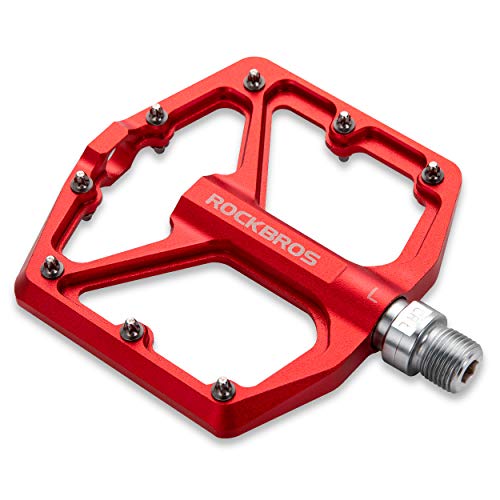
Pros
- Wide 101 mm platform
- Stainless steel grip pins
- Sealed bearings
- CNC-machined aluminum alloy
- Marked left and right pedals
Cons
- Maker recommends for most shoes under US 12
- Red is the only listed color

Pros
- 12 non-slip pins
- Wide aluminum platform
- Dual DU bearings
- Chromoly steel axle
- Standard 9/16-inch spindle
Cons
- No stated pedal weight
- No platform dimensions listed
- Not clipless

Pros
- Wide platform
- Six pins per side
- Two sealed bearings per pedal
- Includes pedal wrench
- Labeled left and right
Cons
- About 0.90 lb per pair
- Flat-pedal format only
FAQs
Are clipless pedals harder to use than flat pedals?
Clipless pedals require you to learn how to engage and release the cleat, while flat pedals need no attachment step. Practice the clipless motion while stationary in a clear place before riding. Flats may feel more straightforward at first, but shoe grip and pedal shape still affect control and comfort.
Do clipless pedals make you pedal faster?
Clipless pedals do not guarantee a faster ride. They connect cycling shoes to pedals and can provide a consistent foot position, but speed also depends on fitness, terrain, bike setup, and riding conditions. Choose them for their connection and shoe system, not as a promise of improved performance.
Can you use regular shoes with clipless pedals?
Most clipless pedals are designed to engage a compatible cleat, so ordinary shoes will not connect as intended. Some pedal designs include a platform on one side or allow a separate platform adapter, but confirm compatibility with the manufacturer. For regular shoes without extra hardware, flat pedals are the direct option.
Are flat pedals suitable for road riding?
Flat pedals work for road riding, commuting, and casual trips when you prefer ordinary shoes or frequent stops. Select a stable platform and shoes with soles that grip it. Riders covering long distances may prefer stiffer cycling shoes, but comfort and control matter more than choosing a pedal style by category alone.
Can you switch between clipless and flat pedals?
You can switch between clipless and flat pedals if the replacement pedals match your crank’s thread standard. You may also need different shoes, cleats, or tools. Follow pedal installation instructions, confirm left and right pedals, and get help from a bike shop if a pedal will not thread in smoothly.
Which pedal type should a beginner choose?
Beginners can choose either style based on their shoes, riding plans, and comfort with clipping in and out. Flat pedals offer easy foot removal and work with regular shoes. Clipless pedals suit riders willing to practice and buy a compatible shoe and cleat system. Neither choice is required for learning to ride.










Write Your Review
No reviews yet. Be the first to share your experience!